What is trans myocardial laser revascularization?
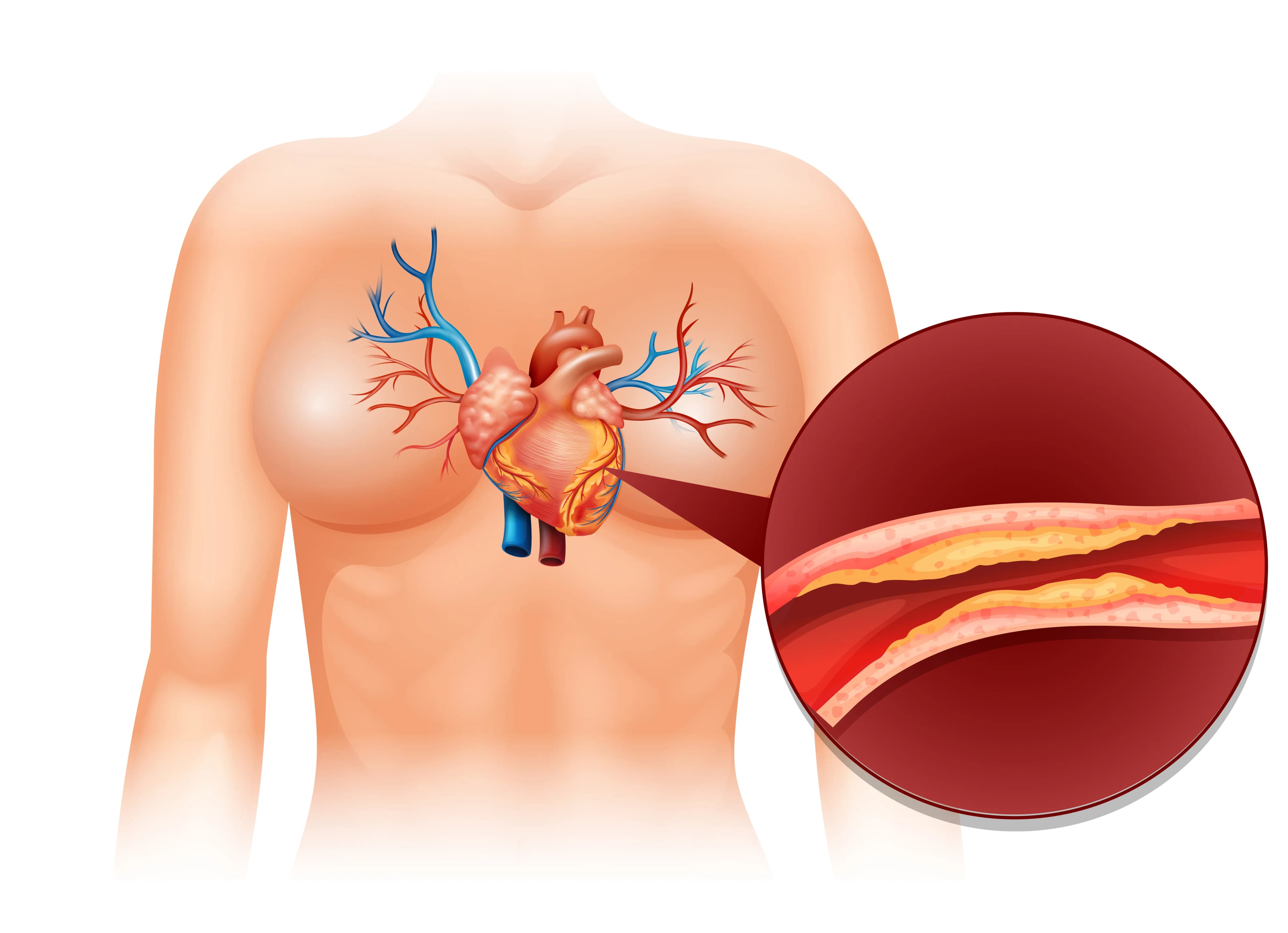
Trans myocardial laser revascularization, commonly referred to as TMR or TMLR, is a surgical intervention utilizing a specialized carbon dioxide (CO2) laser to create minuscule channels through the heart muscle and into the lower left chamber, known as the left ventricle. These newly formed channels serve to enhance the flow of oxygen-rich blood to the heart muscle, thereby mitigating the symptoms of angina, such as chest pain, which often accompanies coronary artery disease.
Traditionally, patients afflicted with coronary artery disease undergo procedures such as coronary artery bypass grafting (CABG surgery), angioplasty, or stenting. However, individuals with advanced heart disease or additional health complications may find these procedures too hazardous. In such cases, TMR emerges as a safer and more efficacious alternative. Moreover, TMR is also indicated for patients who have previously undergone CABG surgery but are unable to tolerate another bypass operation.
At Apex Hospitals, our cardiac surgeons are at the forefront of employing minimally invasive techniques for trans myocardial revascularization, ensuring optimal outcomes for our patients.
Minimally Invasive Approaches to Trans myocardial Revascularization
Trans myocardial Laser Revascularization (TMLR) TMLR entails making a small incision on the left side of the chest, through which a laser creates tiny channels in the heart muscle. The heart continues to beat throughout the procedure, obviating the need for a heart-lung bypass machine.
PERCUTANEOUS Trans myocardial Revascularization (PTMR) PTMR is a percutaneous technique utilizing a catheter-guided laser to perform trans myocardial revascularization. This procedure is conducted through a minute incision in the skin, offering a minimally invasive approach.
Trans myocardial Revascularization and Coronary Artery Bypass Grafting (CABG) In certain cases, trans myocardial revascularization may be combined with coronary artery bypass grafting (CABG surgery) to optimize treatment outcomes.
Why Choose Trans Myocardial Laser Revascularization?
Trans myocardial laser revascularization serves as a viable treatment option for individuals experiencing blockages or narrowing of the coronary arteries when traditional bypass procedures are not feasible.
Patients who undergo TMR often present with angina, a hallmark symptom of coronary artery disease, characterized by:
- Chest pain
- Chest pressure or discomfort
- Jaw pain
- Neck pain
- Back pain
- Arm pain
Trans myocardial revascularization may be considered if:
- Traditional therapies such as angioplasty or bypass surgery are not suitable for you.
- You have undergone multiple bypass operations and are unable to undergo another.
- The heart muscle surrounding the affected blood vessels remains healthy.
- Your angina cannot be effectively managed with medications, or these medications are causing significant side effects.
What to Expect at Apex Hospitals' Cardiovascular Department
At Apex Hospitals, our Cardiothoracic and Vascular Surgery (CTVS) department offers comprehensive services, ensuring seamless and coordinated care for all cardiovascular patients.
Before your procedure, you will be scheduled for a visit to the centre for preoperative assessments and information.
On the day of the procedure, you will receive care from a specialized team comprising surgeons, anaesthesiologists, and nurses who specialize in treating coronary artery disease. Our CTVS department boasts one of the most advanced hybrid operating rooms in the country.
Following the procedure, you will be transferred to the post-surgical care unit, where you will receive attentive care from our experienced surgical and nursing staff.
Speak to our team about Trans myocardial revascularization
Are you or a loved one considering trans myocardial revascularization (TMR) as a treatment option for coronary artery disease? Our dedicated team of cardiovascular specialists is here to guide you through the process and provide personalized care every step of the way.
At Apex Hospitals, we offer state-of-the-art TMR procedures performed by experienced cardiac surgeons using the latest techniques and technologies. Whether you're seeking relief from angina symptoms or exploring alternative treatments due to previous surgeries, our team is committed to helping you achieve optimal heart health.
Schedule a consultation with our team today to learn more about trans myocardial revascularization and discover how it can improve your quality of life and cardiac health. Together, we'll develop a personalized treatment plan tailored to your unique needs and goals.
Take the first step towards a healthier heart by speaking to our team about TMR today.