What is Minimally invasive heart surgery?
Minimally invasive heart surgery refers to procedures performed using small incisions instead of traditional open-heart surgeries involving a large incision along the front of the chest.
During minimally invasive heart surgery, specialized instruments, high-resolution cameras, or robotic arms are inserted through small incisions. These instruments and tools allow the surgeon to access and operate on the heart by navigating between the ribs. Using minimally invasive techniques can have several benefits, including minimal scarring, reduced pain, and faster recovery than open-heart surgeries.
In contrast, open-heart surgeries typically require a sternotomy, which involves cutting through the breastbone (sternum) to gain access to the heart. This approach may be necessary for specific complex procedures. Minimally invasive heart surgery offers a less invasive alternative for treating various heart conditions while achieving effective results. However, the straightforward surgical approach will depend on your situation and the expertise of your healthcare team. The specialists at Apex Hospitals will assess which technique is most appropriate for your case, considering factors such as the procedure's complexity and overall health.
Why is it done?
Minimally invasive cardiac surgery offers a wide range of procedures that can be performed with less invasive techniques. Some of the standard heart procedures that can be done using minimally invasive approaches include:
- Aortic valve replacement
- Atrioventricular septal defect surgery
- Maze procedure for atrial fibrillation
- Closure of atrial septal defect and patent foramen ovale
- Mitral valve repair or replacement
- Coronary artery bypass surgery
- Tricuspid valve repair or replacement
- Saphenous vein harvest for coronary artery bypass surgery
Benefits of Minimally invasive heart surgery
MICS Surgery offers several potential advantages over open-heart surgery, including:
- Less blood loss
- Lower risk of infection
- Reduced trauma and pain
- Shorter hospital stays, faster recovery, and quicker return to normal activities
- More minor, less noticeable scars
It's important to note that the benefits of minimally invasive heart surgery can vary depending on the specific procedure and the individual patient's circumstances. The healthcare team at Apex Hospitals will evaluate your condition and determine the most appropriate surgical approach for you, weighing the potential benefits against any potential risks or limitations.
Procedure Details
Before: The Apex Hospital's surgical team will provide specific instructions to prepare for minimally invasive heart surgery. This may include temporarily discontinuing certain medications before the procedure, as advised by your surgeon.
You will be placed under general anaesthesia during the surgery, ensuring you remain asleep and comfortable. Sometimes, a small area of hair may be shaved at the site where the incisions will be made.
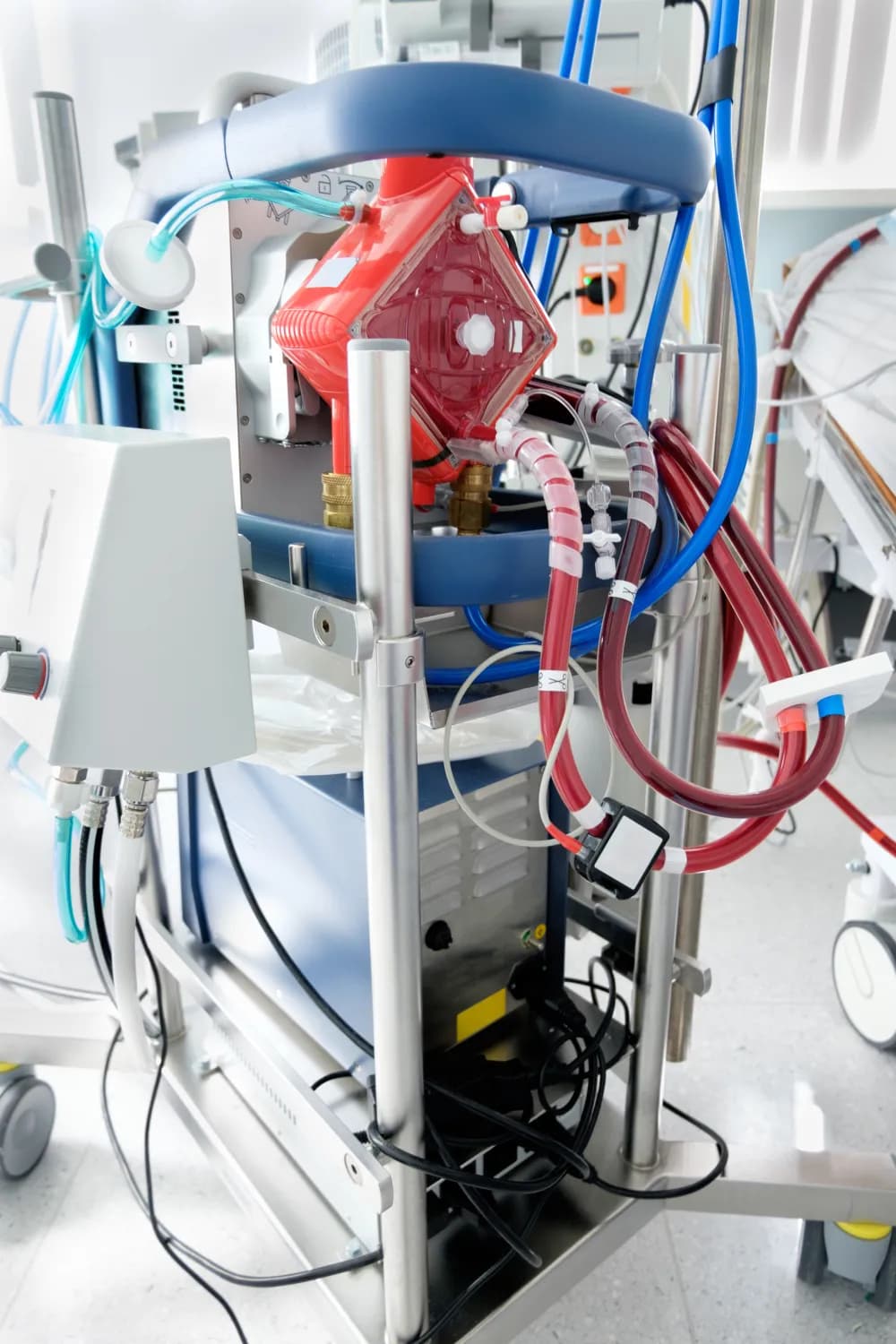
Your surgical team will connect you to a heart-lung machine to maintain blood circulation during the operation. A heart-lung device enables the surgeon to perform the necessary procedures on your heart while keeping you safe and stable during the surgery. Your surgical team will closely monitor your vital signs and ensure your well-being throughout the entire process, ensuring optimal care and attention during minimally invasive heart surgery.
During:
- Make one or more small incisions on the side of your chest.
- Insert specialized surgical tools or robotic arms through the small incisions.
- Carefully guide the tools between your ribs to reach your heart. The surgeon uses advanced imaging techniques, such as video cameras or robotic assistance, to visualize the surgical site and guide the instruments accurately.
- Perform the necessary repairs to your heart, including procedures like repairing damaged structures, replacing a heart valve, implanting a medical device, or removing tumours. The surgeon utilizes the appropriate techniques and instruments to address your specific condition.
- Once the surgical procedure is completed, the surgeon will close the incisions with stitches or adhesives. These closures are designed to promote proper healing and minimize scarring.
The Minimally Invasive surgery takes two to six hours.
After: Following minimally invasive heart surgery, the typical recovery process involves the following:
- You will spend approximately one to two days in the ICU for close monitoring and specialized care. During this time, you may have drainage tubes in your chest to prevent fluid accumulation around the heart.
- After the ICU, you will be transferred to another area of the hospital dedicated to post-surgical recovery. Here, the healthcare team of Apex Hospitals will continue to monitor your progress and provide the necessary care.
- Your surgical team will guide you in performing breathing exercises to prevent fluid from accumulating in your lungs. Additionally, they will encourage you to gradually increase your activity level, including walking, within a day or two of the surgery.
- The duration of your hospital stay will depend on various factors, including the specific type of surgery and your condition. The medical team at Apex Hospitals will determine the appropriate length of your stay based on your progress and overall health.
Say goodbye to long recovery times and large incisions. At Apex Hospitals, we specialize in minimally invasive heart surgery, using minor cuts to perform procedures. Experience faster healing and return to living your life sooner with our advanced surgical techniques.
Book your appointment now.