What is an Intravascular Ultrasound (IVUS)?
Intravascular ultrasound (IVUS) is an imaging technique that generates detailed images of the heart and blood vessels inside the body. During this procedure, an interventional cardiologist carefully inserts a catheter equipped with an ultrasound probe into a blood vessel, usually in the groin or wrist. With precise guidance, the catheter is directed to the heart, where the ultrasound probe utilizes sound waves to capture images of the artery walls.
IVUS is classified as a type of cardiac catheterization, a collection of procedures that employ catheters to diagnose or treat various heart conditions. It is a valuable tool for both diagnostic purposes and during specific interventions like angioplasty or atherectomy. By incorporating IVUS, your doctor gains enhanced visualization of your heart and blood vessels, enabling them to make more accurate assessments and perform procedures with greater precision.
Whether utilized as a diagnostic aid or as an adjunct to procedures, IVUS is significant in providing your doctor with detailed insights into your cardiovascular health. This enables them to make informed decisions about your treatment, ultimately leading to improved outcomes and a better understanding of your heart condition.
At Apex Hospitals, our healthcare providers may utilize intravascular ultrasound (IVUS) for several purposes, including:
- Precise Placement of Stents
- Assessment of Stent Blockages
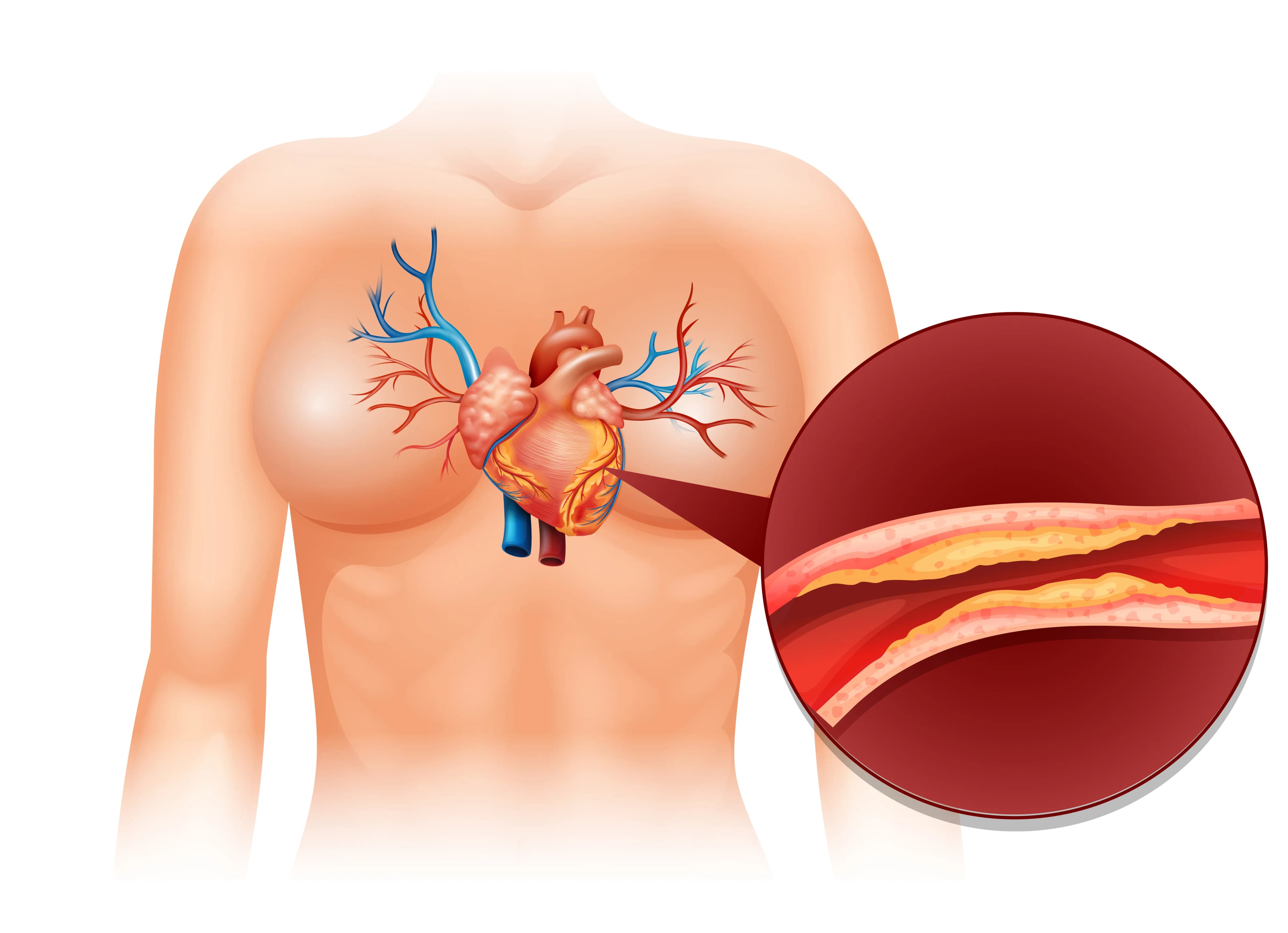
- Visualization of Arterial Plaque Buildup
By incorporating intravascular ultrasound into practice, the specialists at Apex Hospitals aim to enhance the precision and effectiveness of interventions, optimize patient outcomes, and ensure comprehensive evaluation and management of heart conditions.
At the medical facility in Apex Hospitals, your doctor may recommend an intravascular ultrasound (IVUS) examination if there is suspicion of certain conditions, such as:
- Aortic Dissection: If a tear in the aorta, the major blood vessel responsible for carrying blood away from the heart, is suspected, IVUS can provide detailed imaging to help confirm the diagnosis and assess the extent of the dissection.
- Atherosclerosis: IVUS is beneficial in evaluating atherosclerosis, a condition characterized by plaque buildup within the arteries.
- Blood Clots: In cases where blood clots are suspected, IVUS can be employed to visualize the affected blood vessels and assess the extent of clot formation.
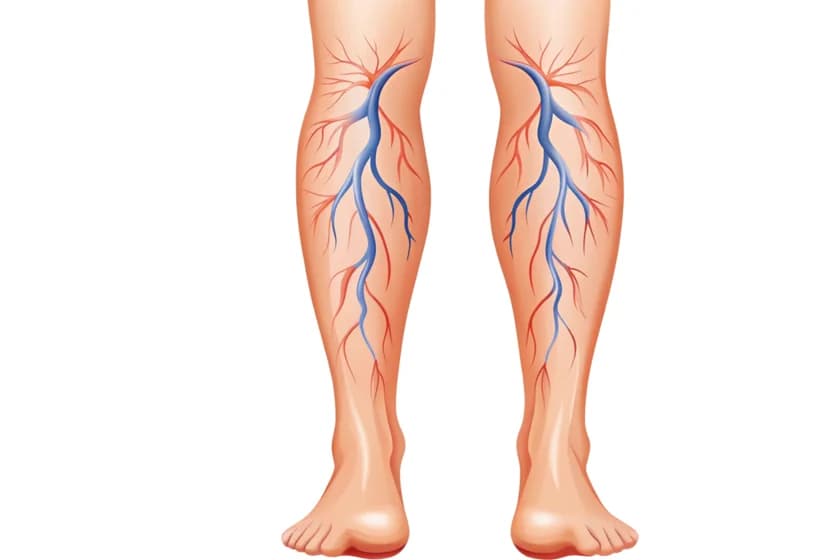
- Peripheral Artery Disease: IVUS can help evaluate and diagnose peripheral artery disease, a condition characterized by the narrowing or blockage of arteries outside the heart, typically affecting the lower limbs.
By utilizing intravascular ultrasound, our medical team at Apex Hospitals aims to provide accurate diagnoses, tailored treatment plans, and improved patient outcomes for various cardiovascular conditions.
Preparing for an Intravascular Ultrasound
In most cases, preparation for an intravascular ultrasound (IVUS) requires no specific actions. However, if your interventional cardiologist plans to incorporate IVUS during another procedure, there may be some instructions to follow in preparation. These guidelines may include:
- Fasting: If instructed by the care team at Apex Hospitals, you may need to refrain from eating or drinking anything after midnight on the procedure day.
- Clothing: It is advisable to wear loose and comfortable clothing to the procedure. Additionally, avoiding jewellery is recommended to facilitate ease of access for the medical team.
- Medication Information: Inform your care team about all your current medications, including over-the-counter and dietary supplements.
It is essential to adhere to these instructions provided by your care team to ensure a smooth and successful intravascular ultrasound procedure. They will guide you on the specific requirements based on your circumstances and the procedure's nature.
What to Expect During an IVUS Procedure
An intravascular ultrasound (IVUS) procedure typically lasts an hour or longer, depending on whether it is performed independently or in conjunction with another approach. To ensure your comfort and calmness throughout the procedure, anaesthesia will be administered. The IVUS procedure is carried out collaboratively by an interventional cardiologist, interventional echocardiographer, and anaesthesia specialist.
Here is an overview of the steps involved in an intravascular ultrasound:
Incision and Sheath Placement
- Catheter Insertion
- Ultrasound Probe Placement
- Ultrasound Image Generation
- Catheter Removal and Site Care
After an intravascular ultrasound, you may be discharged on the same day or advised to stay in the hospital overnight, depending on your circumstances. If IVUS was performed with an angioplasty and stenting procedure, you will receive detailed instructions for your recovery at home. It is generally recommended to rest and avoid strenuous activities for at least 24 hours following the procedure. The healthcare providers at Apex Hospitals will provide you with personalized guidance and any additional post-procedure instructions to ensure a smooth recovery and optimal results.
When it comes to diagnosing certain heart conditions, clarity is critical. You can understand your heart health clearly with Intravascular Ultrasound (IVUS) at Apex Hospitals, Rajasthan. Trust in advanced technology and expertise for accurate diagnosis and personalized treatment options.
Book an appointment now.