Logo
Logo
DoctorsBook Appt.Call

Contact Us

Medicine UnmaskedCall Emergency Helpline
Logo

Book appointment

Contact Us

Medicine UnmaskedCall Emergency Helpline
Logo

Book appointment

Get Your Surgery Cost Estimate. Know the Price Before You Decide

Receive a detailed surgery cost estimate based on your diagnosis and treatment plan. Our experienced surgical teams and modern infrastructure ensure safe outcomes. Plan your procedure with clarity, confidence, and complete medical transparency.

Quick Appointment

Fill in your details to get started

What is peripheral angiography?

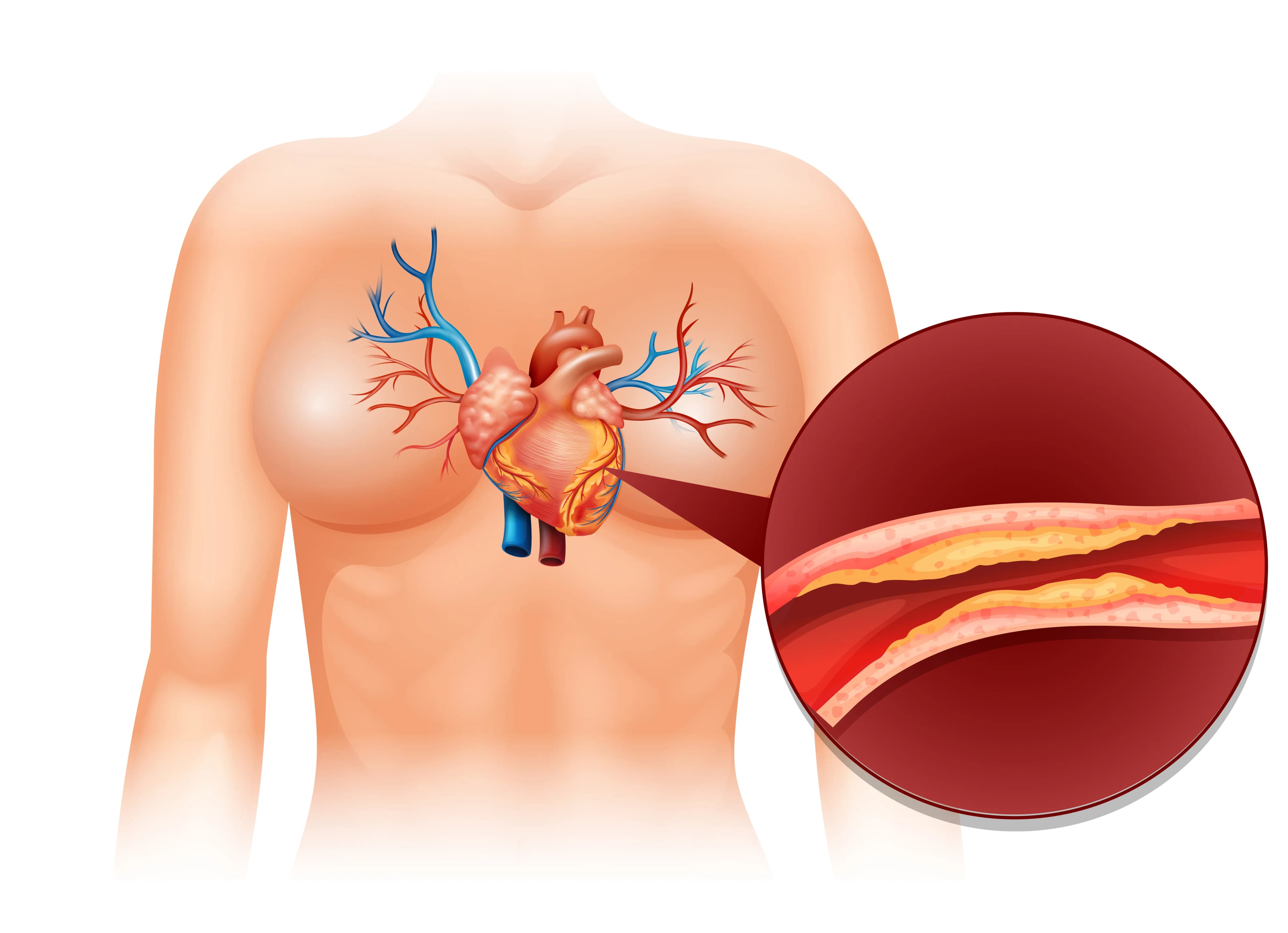
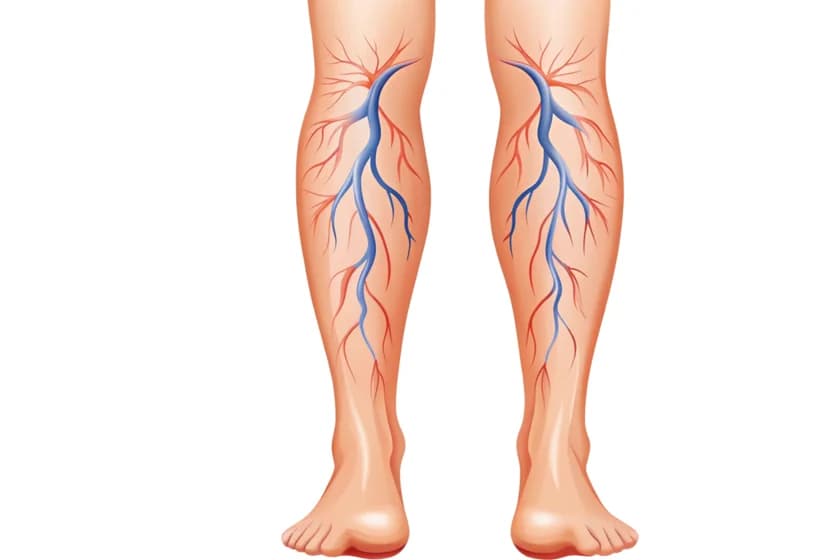
Peripheral angiography is a medical imaging procedure used to visualize and evaluate the blood vessels outside the heart and brain, specifically those in the body's peripheral regions. It is commonly performed to assess the blood flow in the arteries and veins of the legs, arms, pelvis, and other peripheral areas.

The procedure involves injecting a contrast dye into the blood vessels, which makes them visible on X-ray images. These images help healthcare professionals identify abnormalities or blockages in the blood vessels that may affect blood flow. Peripheral angiography is often used to diagnose conditions such as peripheral artery disease (PAD), aneurysms, and vascular malformations.

Procedure Details

Before:

You will receive detailed instructions regarding dietary restrictions 24 hours before the peripheral angiogram. You will be advised to abstain from eating or drinking for 6 to 8 hours before the procedure. You must inform your doctor about all your medications, including over-the-counter drugs, herbs, and vitamins. Your doctor may instruct you to temporarily refrain from taking certain medications, but it's essential not to discontinue any medication without your doctor's approval.

In addition, communicate any allergies you may have, particularly to substances such as iodine, latex, rubber products, penicillin, or X-ray dye. If you are pregnant or have a history of bleeding problems, inform your doctor or nurse beforehand. For your comfort and safety during the procedure, leaving all jewellery at home is advisable. Lastly, arrange for someone to drive you home after the peripheral angiogram.

During:

A highly trained doctor, accompanied by a team of nurses and technicians, conducts the peripheral angiogram, typically in a hospital or outpatient clinic setting.

Before the procedure, a nurse will establish an IV (intravenous line) in your arm to administer the necessary medications and fluids. It's important to note that you will be awake throughout the test. Subsequently, the nurse will clean and prepare the area where the doctor works, commonly the artery in your groin. To minimise discomfort, a local anaesthetic will be applied to numb the needle puncture site.

The doctor will then perform a needle puncture through your skin and into the artery, introducing a slender, elongated tube known as a catheter into the artery. While you may experience some pressure, any pain should be minimal. To enhance visibility on X-rays, the doctor will inject a small quantity of contrast dye through the catheter. This dye may induce a brief sensation of warmth or flushing, lasting only a few seconds.

After:

Following the procedure, you'll be directed to a recovery room briefly. To mitigate the risk of bleeding, the nurse will apply pressure to the puncture site for approximately 10 to 20 minutes, followed by applying a bandage to the wound. During this time, it's advised not to move the leg involved in the catheter insertion while the nurse diligently monitors for any signs of bleeding or swelling.

Before your departure, you will receive detailed written instructions on home care to ensure a smooth recovery process.

Speak to our expert about Peripheral Angiography

Connect with our expert to gain valuable insights and information about Peripheral Angiography. Our knowledgeable team is ready to address your queries and provide guidance and support. Your vascular health is our priority, and we are here to ensure you clearly understand Peripheral Angiography. Schedule a consultation with our expert today for personalized assistance.


Frequently Asked Questions

We've compiled a list of the most frequently asked questions to help you find the information you need quickly and easily.

“If you can't find the answer to your question here, please don't hesitate to contact our support team for assistance.”

The procedure is generally not painful as it is performed under local anaesthesia. However, some patients may experience mild discomfort or pressure during catheter insertion.
While complications are rare, potential risks include bleeding at the puncture site, allergic reactions to the contrast dye, or damage to blood vessels. Your healthcare team will discuss these risks before the procedure.
The duration of peripheral angiography varies but typically takes 30 minutes to an hour. However, additional time may be needed for preparation and recovery.

Blogs

Multiple Myeloma: When Is a Stem Cell Transplant Needed?

September 4, 2026

Read More
Migraine Symptoms, Triggers & Treatment | Apex Hospitals

September 2, 2026

Read More
When Does Chronic Kidney Disease Need a Kidney Transplant?

August 15, 2026

Read More
Common Neurological Diseases in India: Prevalence, Risk Factors & Expert Care in Jaipur

August 14, 2026

Read More
Leukemia and Lymphoma: How Bone Marrow Transplant Changes the Outcome

August 8, 2026

Read More
Brain and Spine Problems: Common Causes, Risk Factors, and Treatment Options

August 8, 2026

Read More
Vascular Trauma: Why the Golden 6 Hours Can Save Your Limb

August 4, 2026

Read More
Support After Kidney Transplant: Your Complete Recovery Guide

August 1, 2026

Read More
Robotic Knee Replacement in Jaipur: What Patients Need to Know in 2026

July 30, 2026

Read More
Why Do Some Patients Need Surgery for Hernia, Gallstones or Abdominal Problems?

July 28, 2026

Read More
Types of Blood Cancer That Require a Bone Marrow Transplant

July 27, 2026

Read More
Understanding the Causes of Acute Respiratory Failure

July 23, 2026

Read More
Logo

To Book an appointment : +91 9829030011

For emergency : 0141-4101111

For Ambulance : +91 9929380108

care@apexhospitals.com

Download Our App

Quick Links

Find a doctor

About Us

Specialities

Careers

Contact Us

Privacy Policy

Disclaimer

Terms And Conditions

Academics

Apex Samvad

Resources

Events

News

Diseases

Health Checkup

Bio Medical Waste

EHSS Policy

NABH & NABL Certificates

Internal Grievance

External Grievance

CSR Policy

Locations

Apex Hospital - Malviya Nagar

Apex Hospital - Mansarovar

Apex Hospital - Sawai Madhopur

Apex Hospital - Jhunjhunu

Apex Hospital - Bikaner

Apex Hospital - Sri Ganganagar

Apex Hospital - Udaipur

Apex Hospital - Lucknow

Download on the App Store 
GET IT ON Google Play 

Powered By Docfyn