Logo
Logo
DoctorsBook Appt.Call

Contact Us

Medicine UnmaskedCall Emergency Helpline
Logo

Book appointment

Contact Us

Medicine UnmaskedCall Emergency Helpline
Logo

Book appointment

Get Your Surgery Cost Estimate. Know the Price Before You Decide

Receive a detailed surgery cost estimate based on your diagnosis and treatment plan. Our experienced surgical teams and modern infrastructure ensure safe outcomes. Plan your procedure with clarity, confidence, and complete medical transparency.

Quick Appointment

Fill in your details to get started

What is percutaneous transluminal coronary angioplasty (PTCA)?

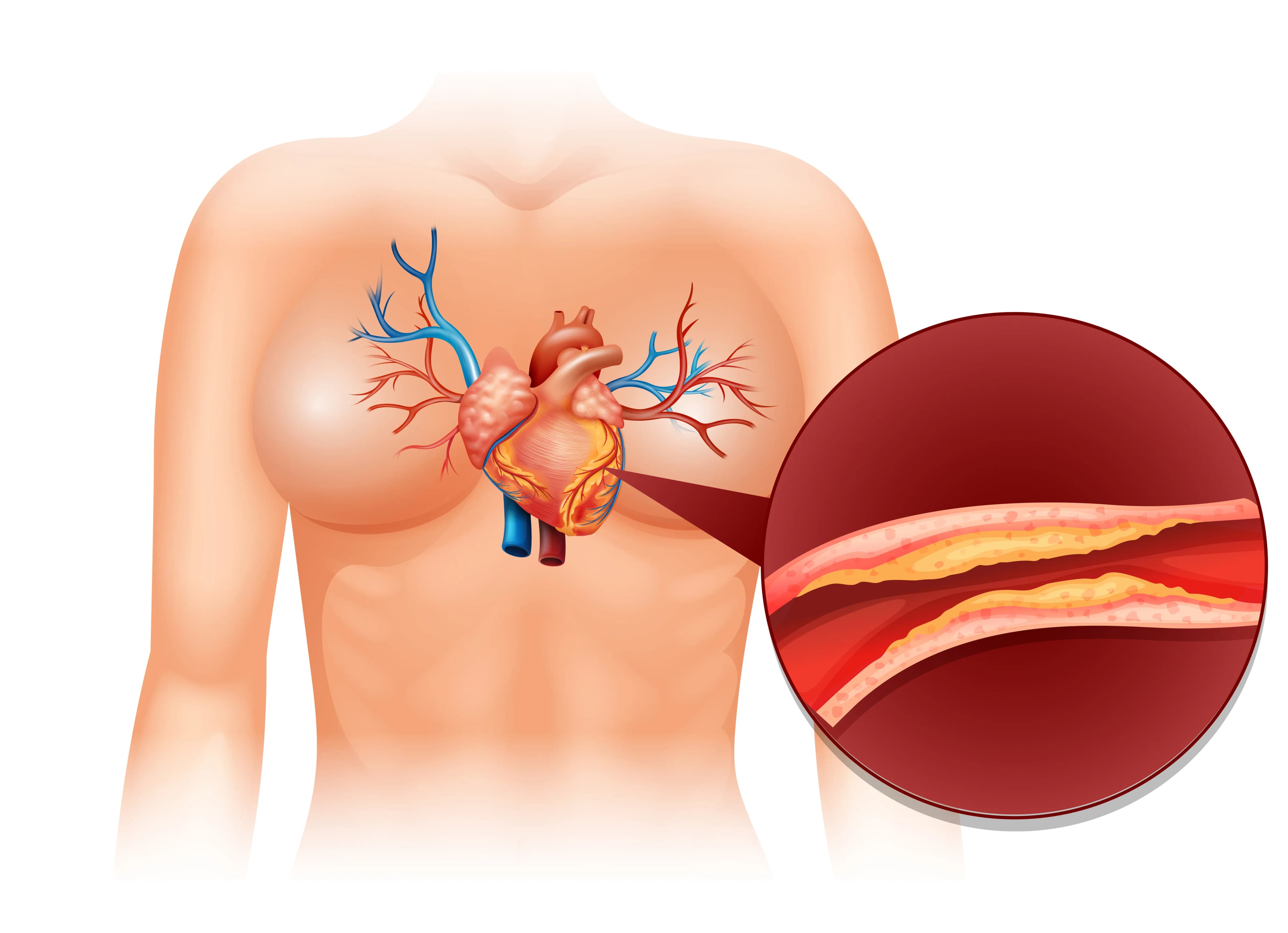
Percutaneous transluminal coronary angioplasty, commonly known as PTCA or angioplasty, involves the insertion of a catheter into an artery, typically in the groin, arm, or wrist. The catheter is carefully guided to the heart, and a series of X-ray images (coronary angiogram) are captured to visualize narrowed heart arteries. Subsequently, a catheter with a balloon at its tip is directed into the narrowed coronary artery. The balloon is then inflated and deflated multiple times, exerting pressure on the plaque and widening the artery to enhance blood flow.

Additional x-ray images are taken, and upon successful reopening of the artery, the catheters are removed. To prevent bleeding, pressure is applied to the puncture site while the patient rests calmly. This procedure aims to alleviate blockages and improve blood circulation in the heart.

Why consider PTCA?

PTCA, or angioplasty, becomes a consideration when traditional methods, like medication or lifestyle adjustments, prove insufficient to address your condition. If you're facing worsening symptoms such as heightened chest pain (angina) or increased shortness of breath, PTCA may be recommended by your doctor. The procedure aims to alleviate these symptoms and enhance your ability to resume regular activities.

Procedure Details

During the PTCA procedure, a local anaesthetic is applied to numb the groin area. A needle is then inserted into the femoral artery in the leg, and a guide wire is threaded through the needle. After removing the needle, an introducer with two ports is inserted, and the initial guide wire is replaced with a thinner one. A diagnostic catheter is passed through the introducer and into the artery, guided to the aorta, and the guide wire is removed.

Once at the coronary artery opening, the doctor injects dye and takes an X-ray to identify any treatable blockages. If a blockage is found, the catheter is withdrawn, replaced with a guiding catheter, and the wire is removed. A thinner wire is then guided across the blockage, followed by a balloon catheter, inflated briefly to compress the blockage against the artery wall. This inflation-deflation process may be repeated at each blocked or narrowed site.

The doctor may also place a stent, a mesh-like metal scaffold, in the coronary artery to maintain its openness. After completing the compression, dye is injected, and another X-ray is taken to assess artery changes. Finally, the catheter is removed, concluding the procedure.

Speak to our team about Percutaneous transluminal coronary angioplasty

Speak to our knowledgeable team to learn more about Percutaneous Transluminal Coronary Angioplasty (PTCA) and understand how this procedure can effectively address coronary artery blockages. Our experts are here to provide valuable information, answer your questions, and guide you through the process, ensuring you make informed decisions about your cardiovascular health. Your well-being is our priority, and we are committed to delivering comprehensive support and care.


Frequently Asked Questions

We've compiled a list of the most frequently asked questions to help you find the information you need quickly and easily.

“If you can't find the answer to your question here, please don't hesitate to contact our support team for assistance.”

PTCA is a minimally invasive procedure performed in a catheterization laboratory (CATH lab) rather than a traditional operating room. It does not require open-heart surgery.
While PTCA is generally safe, there are risks such as bleeding, infection, and damage to the artery. In rare cases, the procedure may lead to complications like blood vessel injury or allergic reactions to contrast dye.
The duration of PTCA varies, but it typically takes around 30 minutes to an hour. However, additional time may be needed for preparation and recovery.
Patients usually stay in the hospital for a day or two after PTCA. Recovery involves rest, monitoring for complications, and following post-procedure care instructions. Most people can resume normal activities within a few days.
PTCA is effective for specific blockages, but its suitability depends on location and severity. In some cases, other procedures or bypass surgery may be recommended.
Logo

To Book an appointment : +91 9829030011

For emergency : 0141-4101111

For Ambulance : +91 9929380108

care@apexhospitals.com

Download Our App

Quick Links

Find a doctor

About Us

Specialities

Careers

Contact Us

Privacy Policy

Disclaimer

Terms And Conditions

Academics

Apex Samvad

Resources

Events

News

Diseases

Health Checkup

Bio Medical Waste

EHSS Policy

NABH & NABL Certificates

Internal Grievance

External Grievance

CSR Policy

Locations

Apex Hospital - Malviya Nagar

Apex Hospital - Mansarovar

Apex Hospital - Sawai Madhopur

Apex Hospital - Jhunjhunu

Apex Hospital - Bikaner

Apex Hospital - Sri Ganganagar

Apex Hospital - Udaipur

Apex Hospital - Lucknow

Download on the App Store 
GET IT ON Google Play 

Powered By Docfyn

Blogs

Multiple Myeloma: When Is a Stem Cell Transplant Needed?

September 4, 2026

Read More
Migraine Symptoms, Triggers & Treatment | Apex Hospitals

September 2, 2026

Read More
When Does Chronic Kidney Disease Need a Kidney Transplant?

August 15, 2026

Read More
Common Neurological Diseases in India: Prevalence, Risk Factors & Expert Care in Jaipur

August 14, 2026

Read More
Leukemia and Lymphoma: How Bone Marrow Transplant Changes the Outcome

August 8, 2026

Read More
Brain and Spine Problems: Common Causes, Risk Factors, and Treatment Options

August 8, 2026

Read More
Vascular Trauma: Why the Golden 6 Hours Can Save Your Limb

August 4, 2026

Read More
Support After Kidney Transplant: Your Complete Recovery Guide

August 1, 2026

Read More
Robotic Knee Replacement in Jaipur: What Patients Need to Know in 2026

July 30, 2026

Read More
Why Do Some Patients Need Surgery for Hernia, Gallstones or Abdominal Problems?

July 28, 2026

Read More
Types of Blood Cancer That Require a Bone Marrow Transplant

July 27, 2026

Read More
Understanding the Causes of Acute Respiratory Failure

July 23, 2026

Read More