What is a Pacemaker?
Pacemakers have revolutionized the field of cardiac health, providing life-saving technology for individuals with arrhythmias and irregular heart rhythms. These tiny devices are implanted under the skin and regulate the heart's rhythm, ensuring it beats steadily and consistently.
Understanding Arrhythmias and Irregular Heart Rhythms
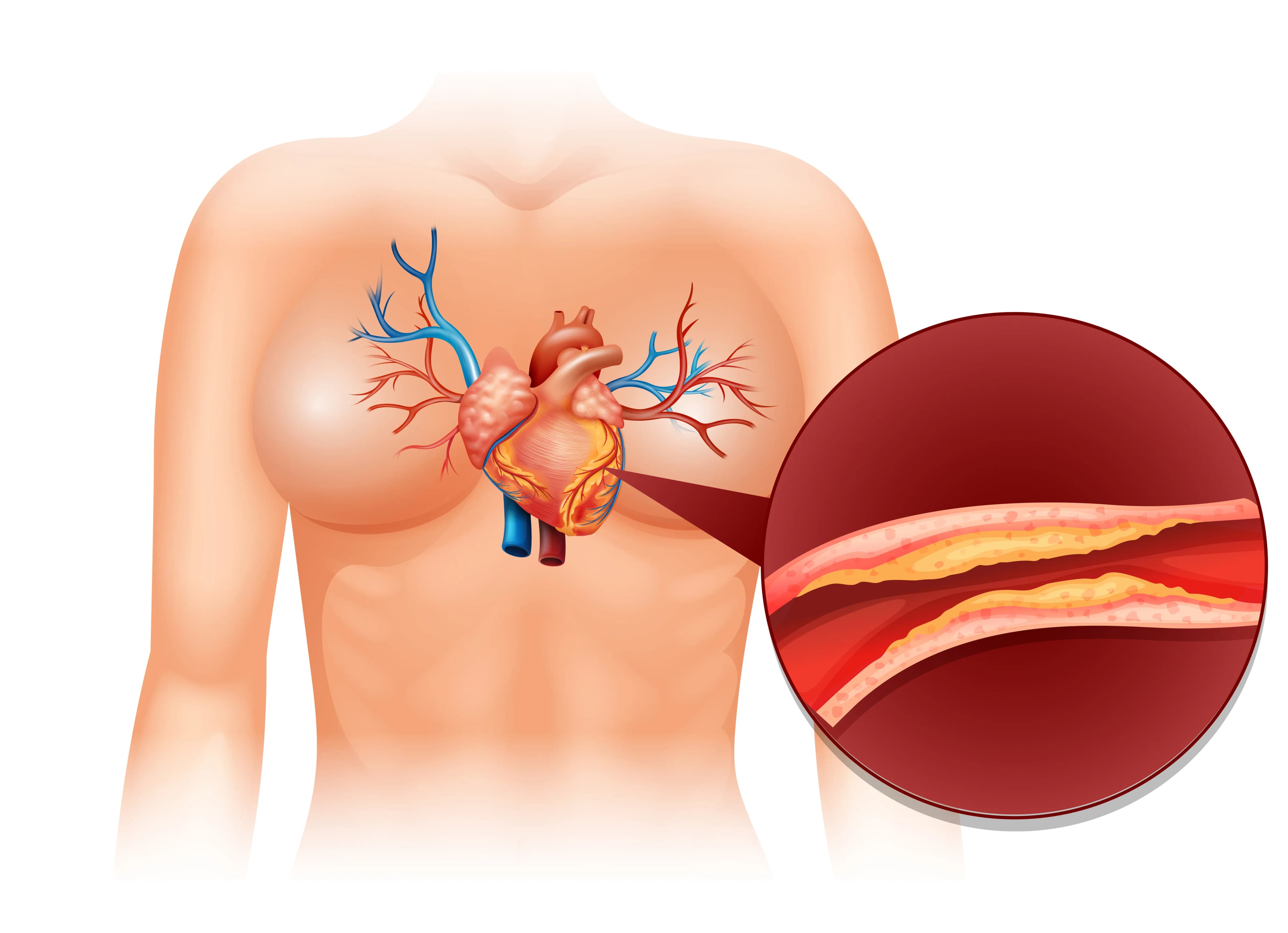
Before diving into the specifics of pacemakers, it is crucial to understand arrhythmias and irregular heart rhythms. The heart's electrical system controls the timing and sequence of its contractions, ensuring that blood is pumped efficiently throughout the body. However, this system sometimes malfunctions, causing the heart to beat too fast, slow, or irregularly. These irregular heart rhythms, known as arrhythmias, can lead to serious health complications, including fainting, heart failure, and sudden cardiac arrest. Pacemakers play a vital role in managing and treating these conditions.
The Importance of Pacemakers in Cardiac Health
Pacemakers are essential in maintaining proper cardiac health and preventing potentially life-threatening complications. When an individual's heart rhythm becomes irregular or too slow, the pacemaker senses this and sends electrical signals to the heart, prompting it to beat at an average pace. By regulating the heart's rhythm, pacemakers ensure the body receives the proper amount of oxygenated blood, reducing the risk of fainting, heart failure, and other related issues. These devices are especially crucial for individuals with certain medical conditions, such as bradycardia, atrial fibrillation, and heart block.
Different Types of Pacemakers and Their Uses
Several pacemakers are designed to meet the specific needs of individuals with various cardiac conditions.
- Single-chamber pacemakers : One lead is placed in the heart's atrium or ventricle. These pacemakers are commonly used for individuals with less severe arrhythmias.
- Dual-chamber pacemakers : They have leads in the atrium and the ventricle, allowing for more precise heart rhythm regulation.
- Biventricular pacemakers : For individuals with more complex arrhythmias, biventricular pacemakers, also known as cardiac resynchronization therapy (CRT) devices, are used. These devices coordinate the contractions of the heart's ventricles, improving overall heart function.
Risks and Considerations of Pacemaker Implantation
As with any medical procedure, there are risks and considerations associated with pacemaker implantation, such as:
- Infection,
- Bleeding
- Blood clot
- Damage to blood vessels or the heart
How to Prepare for a Pacemaker Procedure
Preparing for a pacemaker procedure involves several steps to ensure smooth and successful implantation, such as:
- Your healthcare provider will provide specific instructions tailored to your needs.
- Generally, you may be asked to refrain from eating or drinking for a certain period before the procedure.
- It is crucial to inform your healthcare provider about any medications you are taking, as some may need to be temporarily stopped or adjusted before the procedure.
- Additionally, you may need to undergo specific tests, such as blood work and an electrocardiogram (ECG), to evaluate your heart's condition and determine the most appropriate pacemaker type for your needs.
How do Pacemakers Work to Regulate Heart Rhythm?
Pacemakers send electrical signals to the heart, prompting it to beat regularly. The device comprises a pulse generator, which houses the battery and electronic circuitry, and leads, thin wires carrying electrical signals to the heart. The pulse generator continuously monitors the heart's rhythm and delivers electrical impulses when necessary. These impulses travel through the leads and stimulate the heart muscle, causing it to contract. Pacemakers can be programmed to meet each individual's needs, ensuring their heart rhythm is effectively regulated.
Common Conditions that Pacemakers Treat
Pacemakers are used to treat a variety of cardiac conditions that result in irregular heart rhythms, such as:
- Bradycardia
- Atrial fibrillation
- Heart Failure
- History of heart attack
Signs that Indicate the Need for a Pacemaker
If you are experiencing specific symptoms, it may indicate that you need a pacemaker. These symptoms can include:
- Dizziness
- Fainting
- Shortness of breath
- Fatigue
- Chest pain.
- Bradycardia
- Tachycardia
- Heart Palpitations
The Recovery Process after Pacemaker Implantation
After a pacemaker implantation procedure, it is essential to take specific steps to ensure a smooth recovery. Your healthcare provider will provide detailed instructions tailored to your needs. Generally, you may be advised to avoid strenuous activities and heavy lifting for some time. Keeping the incision site clean and dry is also essential to prevent infection. Regular follow-up appointments will be scheduled to monitor the functioning of the pacemaker and make any necessary adjustments. With proper care and monitoring, individuals can expect a swift recovery and improved cardiac health.
Pacemakers have revolutionized the field of cardiac health, providing a life-saving technology for individuals with arrhythmias and irregular heart rhythms. These tiny devices tirelessly regulate the heart's rhythm, ensuring it beats steadily and consistently. Doing so prevents complications such as fainting, heart failure, and sudden cardiac arrest. With different types available to meet each individual's needs, pacemakers have become integral to managing and treating various cardiac conditions. If you are experiencing symptoms or have been diagnosed with a cardiac condition, consult a healthcare professional to determine if a pacemaker is the right solution. Take control of your cardiac health and experience the life-saving impact of pacemakers.