An Electrocardiogram (ECG or EKG) is a quick, painless, and non-invasive test that records the electrical activity of your heart. It helps detect abnormal heart rhythms, signs of a heart attack, and other cardiac conditions.
During the test, 12 electrodes are placed on the chest, arms, and legs to capture the heart’s electrical signals. These signals are displayed as waveforms for a cardiologist to analyze. The ECG recording itself takes 1–2 minutes, while the full process, including preparation, takes around 5–10 minutes.
At Apex Hospitals, ECGs are performed by trained technicians and interpreted by experienced cardiologists to support early diagnosis and effective treatment.
What is an ECG?
An ECG measures the electrical impulses generated by the heart as it beats. It helps evaluate:
- Heart rate – how fast the heart is beating
- Heart rhythm – whether the rhythm is regular or irregular
- Electrical conduction – identifies any abnormalities in how electrical signals are conducted within the heart
The test is completely safe and does not send electricity into your body.
Why is an ECG Done?
Doctors may recommend an ECG to:
- Detect irregular heart rhythms (arrhythmias)
- Identify signs of a heart attack (past or ongoing)
- Evaluate symptoms such as chest pain, palpitations, or dizziness
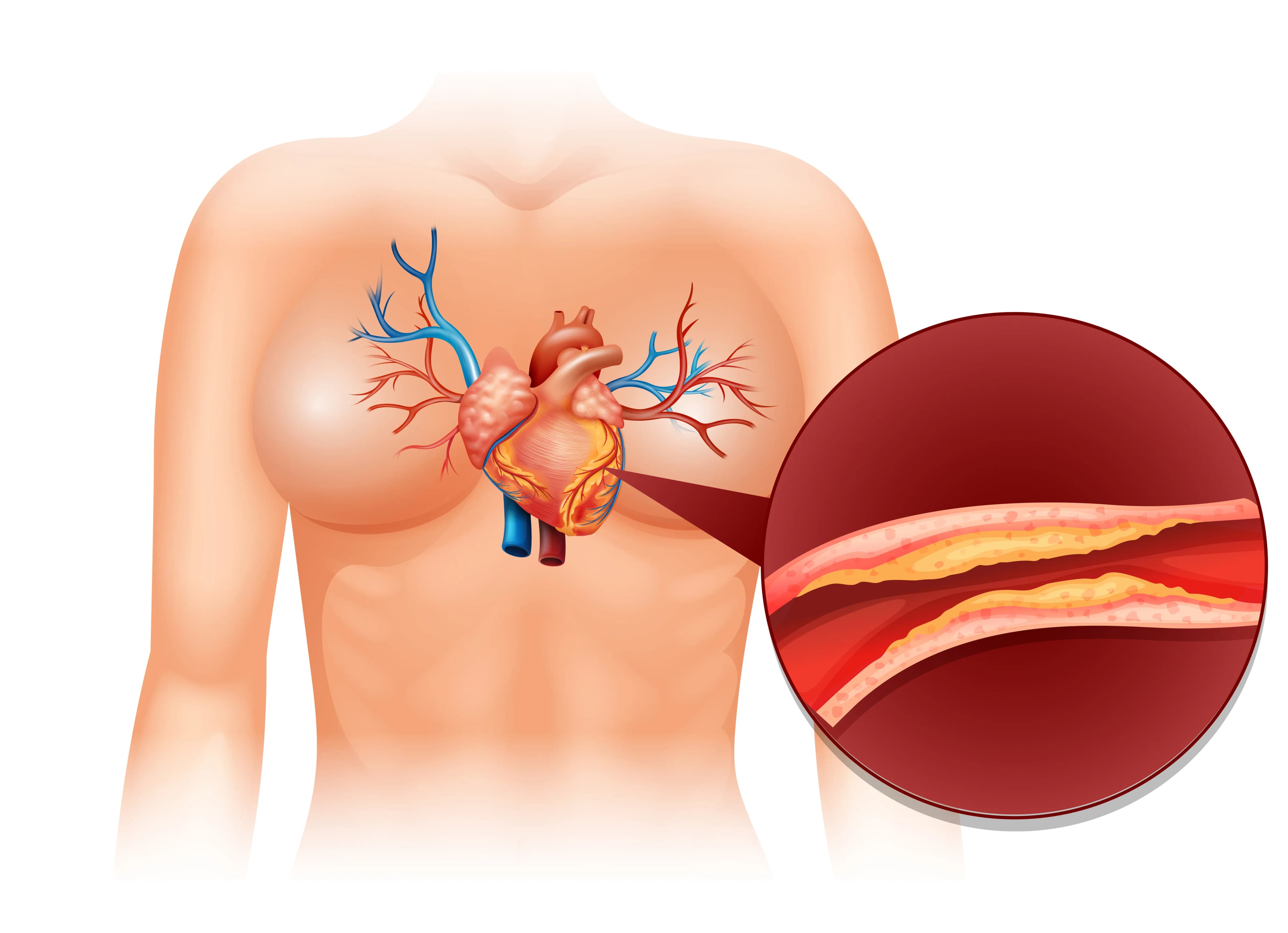
- Monitor existing heart conditions like coronary artery disease
- Detect medication-related changes in heart rhythm or conduction
- Assess heart health before undergoing surgery (pre-operative assessment)
What Can an ECG Detect?
- An ECG can help diagnose:
- Arrhythmias (e.g., atrial fibrillation, ventricular tachycardia)
- Heart attacks and signs of reduced blood flow (ischemia)
- Heart chamber enlargement or thickening
- Electrolyte imbalances that affect heart function
- Conduction abnormalities (e.g., bundle branch blocks, AV block)
Types of ECG Tests We Offer
Depending on your condition, the cardiologist may recommend one of the following:
- Resting ECG Done while you lie still; used for routine heart evaluation or when symptoms are present.
- Stress ECG (Treadmill Test / TMT) Conducted while walking on a treadmill to evaluate how the heart responds to physical activity. Helps reveal issues not visible at rest.
- Holter Monitoring A portable device worn for 24–48 hours, continuously recording your heart's activity during daily activities for more comprehensive analysis.
How is an ECG Performed at Apex Hospitals?
Preparation You will lie down comfortably. Skin may be cleaned or shaved at electrode sites to ensure proper contact.
Electrode Placement 12 electrodes are attached to the chest, arms, and legs.
Recording The ECG machine captures your heart’s electrical signals in about 1–2 minutes.
Interpretation A cardiologist reviews the ECG report and may recommend further evaluation or treatment if needed.
Why Choose Apex Hospitals for ECG?
- Tests performed by skilled technicians under expert cardiologist supervision
- Complete range: Resting ECG, Stress ECG (TMT), and Holter Monitoring
- Fast results with clear next steps for diagnosis and treatment
When to See a Cardiologist
See a heart specialist if you experience:
- Chest pain or pressure
- Palpitations or irregular heartbeat
- Shortness of breath
- Unexplained fatigue, dizziness, or fainting
An ECG can detect many heart issues early, before they become serious.
An ECG is a vital tool for evaluating heart rhythm, detecting heart disease, and guiding treatment. Whether it's a routine check, part of a stress test, or extended monitoring, Apex Hospitals provides comprehensive ECG services backed by expert cardiology care.