What is Coronary artery bypass grafting (CABG)?
Coronary artery bypass grafting (CABG) is a surgical procedure designed to reestablish blood flow to regions of your heart experiencing insufficient blood supply. This surgery is instrumental in enhancing heart function and overall well-being, particularly following a recent heart attack or when there is an elevated risk of experiencing one in the near future.
Why is it done?
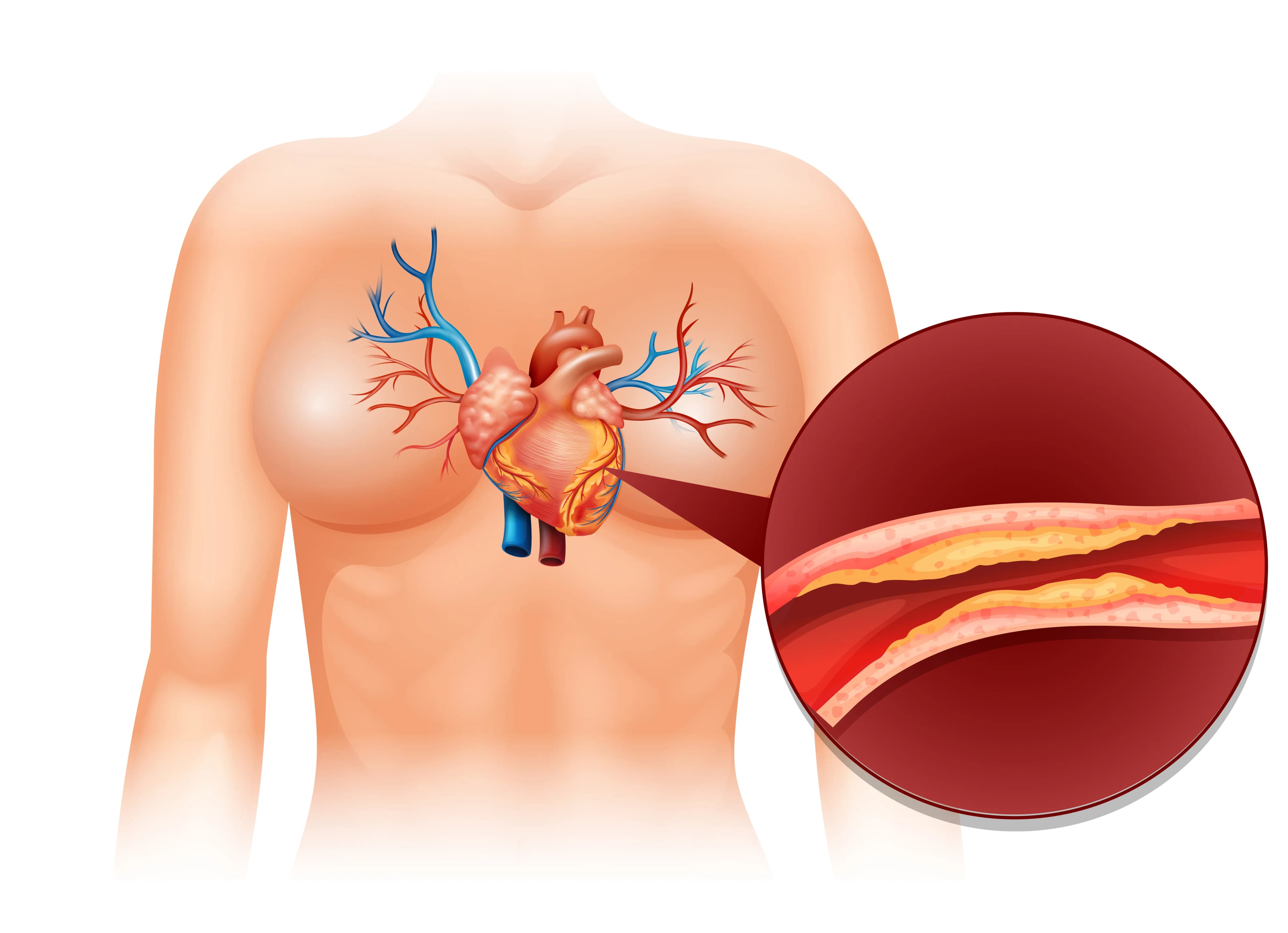
Similar to all organs in the body, the heart relies on a continuous supply of blood, facilitated by two major blood vessels known as the left and right coronary arteries. Over time, these arteries can undergo narrowing and hardening due to the accumulation of fatty deposits called plaques, a process identified as atherosclerosis. Individuals with atherosclerosis in the coronary arteries are diagnosed with coronary heart disease, and the likelihood of developing this condition increases with age. Factors such as smoking, being overweight or obese, and having a high-fat diet further elevate the risk of coronary heart disease. This condition can manifest as angina, characterized by chest pain resulting from restricted oxygen-rich blood supply to the heart. While medication can often manage angina, severe cases may necessitate a coronary artery bypass graft to enhance blood flow to the heart. Coronary heart disease also poses the risk of plaque rupture in the coronary artery, leading to the formation of a blood clot. If this clot obstructs the blood supply to the heart, it can trigger a heart attack. To mitigate the risk of a heart attack, a coronary artery bypass graft may be recommended.
The procedure
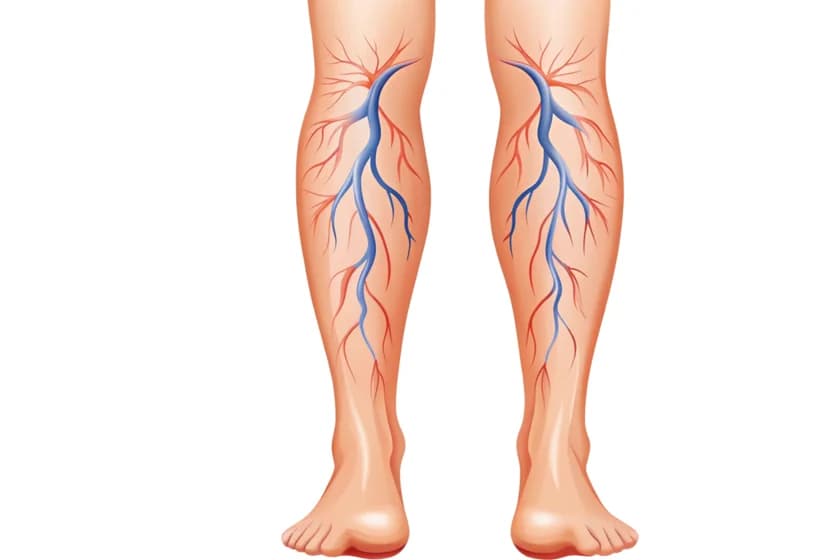
During a coronary artery bypass graft, a blood vessel is harvested from another part of the body, typically the chest, leg, or arm. This vessel is then meticulously connected to the coronary artery both above and below the narrowed or blocked area. Referred to as a graft, this new blood vessel serves to bypass the affected segment.
The number of grafts required varies based on the severity of coronary heart disease and the extent of narrowing in the coronary blood vessels. The procedure is conducted under general anaesthesia, ensuring that you remain unconscious throughout the operation, which typically lasts between 3 and 6 hours.
Recovery
Following a coronary artery bypass graft, the typical hospital stays range from 6 to 8 days. A follow-up appointment is generally scheduled around 6 to 8 weeks post-operation. Recovery is a gradual process, and the pace may vary among individuals.
Typical milestones in the recovery timeline include sitting in a chair after one day, walking after three days, and navigating stairs after 5 or 6 days. Upon returning home, taking things easy for a few weeks is essential. Around six weeks post-surgery, most individuals can resume normal activities, including work, driving, and engaging in sexual activity. Additional time off may be necessary if your job involves heavy manual labour.
While many fully recover within 12 weeks, individual recovery experiences can differ. It's crucial to follow healthcare professionals' guidance and gradually reintegrate into daily activities based on personal comfort and medical advice.
Risks of coronary artery bypass grafting (CABG)
Coronary artery bypass graft surgery (CABG) carries potential risks, which may include:
- Bleeding during or after the surgery
- Blood clots that can lead to heart attack, stroke, or lung problems
- Infection at the incision site
- Pneumonia
- Breathing problems
- Pancreatitis
- Kidney failure
- Abnormal heart rhythms
- Failure of the graft
- Death
It's important to note that individual medical conditions may introduce additional risks. Discuss any specific concerns or questions with your doctor before the procedure. Open communication with your healthcare team ensures a thorough understanding of potential risks and allows for informed decision-making regarding your treatment.
Speak to our team about Coronary artery bypass Grafting (CABG)
If you're considering or have questions about Coronary Artery Bypass Grafting (CABG), our dedicated team is here to provide information, support, and guidance. Our experienced team of cardiac specialists is ready to discuss CABG, address any concerns you may have, explain the procedure in detail, and provide insights into the potential benefits and risks. Whether you're exploring treatment options, seeking clarification, or preparing for the surgery, our experts are committed to assisting you every step of the way.
Feel free to reach out to schedule a consultation or discuss any questions you may have about CABG. Your heart health is our priority, and we are here to offer personalized information and support tailored to your individual needs. Contact us today to speak with our knowledgeable team about Coronary Artery Bypass Grafting and to address any concerns you may have.