What is coronary angiography?
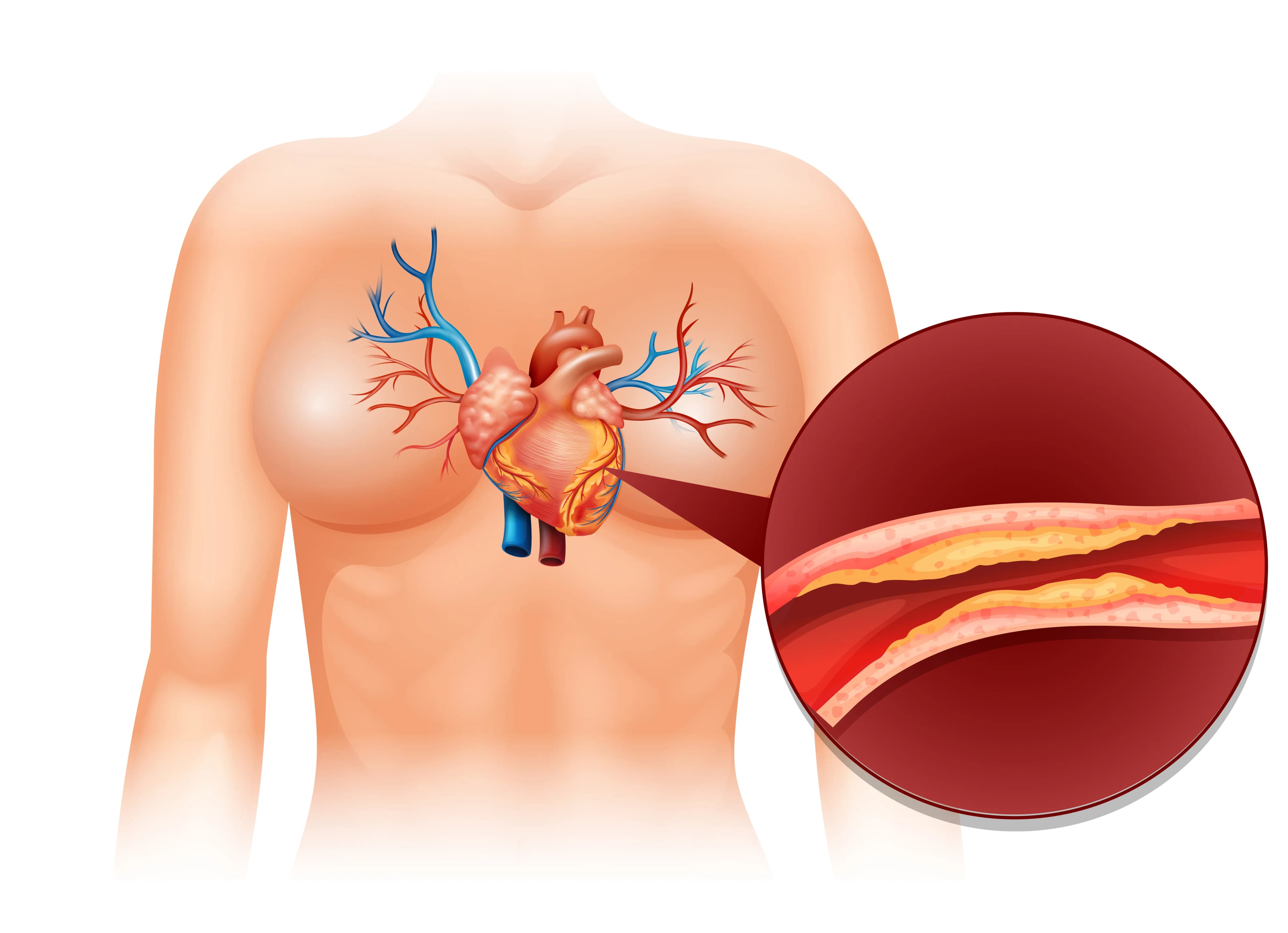
Coronary angiography is a diagnostic procedure conducted to assess the presence of blockages in the coronary arteries. During this test, a contrast dye is injected into the arteries through a catheter, allowing your doctor to observe the blood flow through your heart on an X-ray screen.
Your doctor may recommend coronary angiography if there is concern about your risk of a heart attack, or if you are experiencing conditions such as unstable angina, atypical chest pain, aortic stenosis, or unexplained heart failure. This procedure provides valuable insights into the condition of your coronary arteries, helping to guide appropriate medical interventions and treatment plans.
How to prepare for coronary angiography?
Before a coronary angiography test, doctors often utilize an MRI or a CT scan to identify potential issues with the heart. To prepare for the test, it is recommended not to eat or drink anything for eight hours before the procedure. It's advisable to arrange for someone to provide transportation home, and having someone stay with you the night after the test is suggested, as you may experience dizziness or light-headedness during the first 24 hours post-cardiac angiography.
For many cases, you will need to check into the hospital on the morning of the test and may be able to check out later the same day. At the hospital, you'll be required to wear a hospital gown and sign consent forms. The medical staff will measure your blood pressure, initiate an intravenous line, and, if you have diabetes, monitor your blood sugar levels. Additionally, you may undergo a blood test and an electrocardiogram.
It's crucial to inform your doctor if you have allergies, especially to seafood, if you've experienced adverse reactions to contrast dye previously or if there is a possibility of pregnancy. This information ensures that necessary precautions are taken to enhance the safety and effectiveness of the coronary angiography procedure.
During the test
Before the test, you will receive a mild sedative to induce relaxation, ensuring that you remain awake throughout the procedure.
To prepare for the coronary angiography, your doctor will clean and numb a specific area of your body, typically in the groin or arm, using an anaesthetic. You might experience dull pressure as a sheath is inserted into an artery, and a thin tube known as a catheter will be carefully guided up to an artery in your heart. The entire process will be monitored by your doctor on a screen.
It's unlikely that you will feel the tube moving through your blood vessels, as the sedative helps keep you at ease during the coronary angiography.
How will the test feel?
Sensations during and after the test:
You may experience a slight burning or "flushing" sensation after the injection of dye.
Post-test procedures:
Following the test, pressure will be applied at the catheter removal site to prevent bleeding. If the catheter is inserted in your groin, you might be advised to lie flat on your back for a few hours afterward to minimize the risk of bleeding, which may cause mild back discomfort.
Hydration is essential:
It is recommended to drink plenty of water after the test to support your kidneys in flushing out the contrast dye, promoting a smoother recovery process.
Speak to our team about coronary angiography
If you have questions or concerns about coronary angiography, our dedicated team is here to provide information, support, and guidance tailored to your individual needs.
Whether you are considering coronary angiography, preparing for the procedure, or seeking clarification on aspects of the process, our experts are committed to assisting you at every step. We can discuss the benefits, potential risks, and the overall importance of the test in evaluating your heart health.
Feel free to reach out to schedule a consultation or discuss any questions you may have about coronary angiography. Your well-being is our top priority, and we are here to offer personalized information and support based on your unique circumstances. Contact us today to speak with our knowledgeable team and address any concerns you may have about coronary angiography.