Logo
Logo
DoctorsBook Appt.Call

Contact Us

Medicine UnmaskedCall Emergency Helpline
Logo

Book appointment

Contact Us

Medicine UnmaskedCall Emergency Helpline
Logo

Book appointment

Get Your Surgery Cost Estimate. Know the Price Before You Decide

Receive a detailed surgery cost estimate based on your diagnosis and treatment plan. Our experienced surgical teams and modern infrastructure ensure safe outcomes. Plan your procedure with clarity, confidence, and complete medical transparency.

Quick Appointment

Fill in your details to get started

What is Congenital heart surgery?

Congenital heart surgery addresses or manages a heart defect present in a child since birth. When a baby is born with one or more heart defects, it is termed congenital heart disease. Surgical intervention becomes necessary when the defect poses a potential threat to the child's long-term health and overall well-being.

There exists a range of heart defects, varying in severity from minor to more serious, occurring either within the heart or in the large blood vessels surrounding it. Depending on the nature of the defect, some infants may require immediate surgery after birth, while others can safely postpone surgery for weeks, months, or even years.

Correcting these congenital heart defects may involve a single surgical procedure, although sometimes a series of interventions is necessary. Three distinct techniques are commonly employed for repairing congenital heart defects in children:

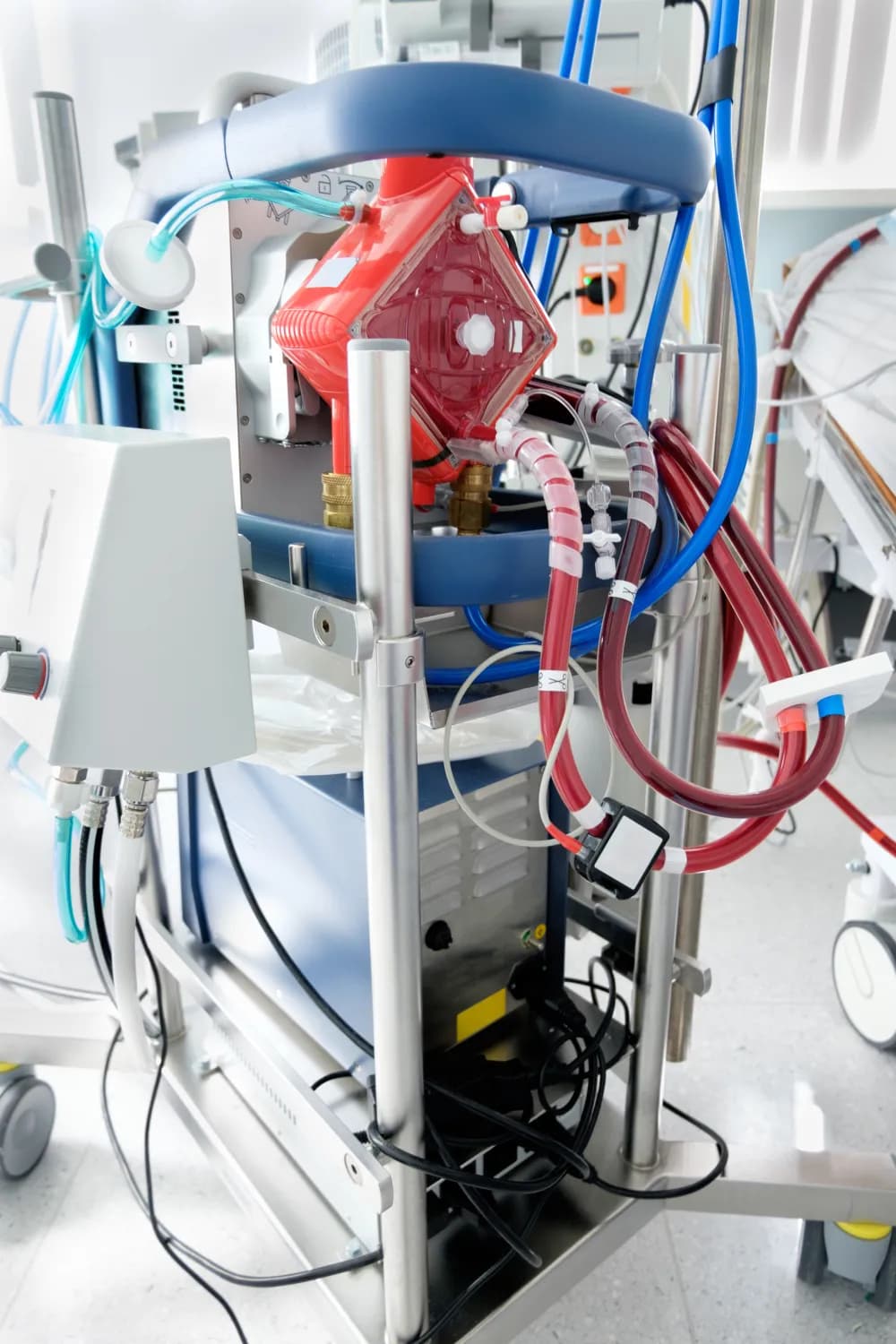
  • Open-heart surgery: This procedure entails making an incision through the breastbone (sternum) while the child is under general anaesthesia. Tubes are utilized to reroute the blood through a heart-lung bypass machine, which oxygenates the blood and maintains its warmth and circulation throughout the body. With the heart temporarily stopped, the surgeon can repair the heart muscle, valves, or blood vessels outside the heart. Once the repair is completed, the heart is restarted, and the bypass machine is removed before closing the breastbone and skin incision.
  • Thoracotomy (Closed-heart surgery): For certain heart defect repairs, the incision is made on the side of the chest between the ribs. This approach, known as a thoracotomy, may utilize special instruments and a camera. Unlike open-heart surgery, a heart-lung bypass machine is typically unnecessary with this method, although it may not be suitable for all heart defects.
  • Cardiac catheterization: This non-surgical approach involves inserting small tubes into an artery in the leg and guiding them to the heart. Referred to as cardiac catheterization, this method is applicable only for specific heart defects that can be addressed through this minimally invasive procedure.

Why is Congenital heart surgery performed?

The decision to perform the procedure is driven by the specific nature of the heart defect and its urgency. Some heart defects necessitate immediate repair shortly after birth, while for others, a more strategic approach involves waiting for weeks, months, or even years. Additionally, certain heart defects may not require surgical intervention.

Common indicators that surgery may be necessary include:

  1. Cyanosis: The presence of blue or gray skin, lips, and nail beds indicates insufficient oxygen in the blood (hypoxia).
  2. Difficulty breathing: This may be due to congested or fluid-filled lungs, leading to heart failure.
  3. Heart rhythm issues: Problems with heart rate or irregularities in heart rhythm (arrhythmias).
  4. Poor feeding or sleeping: Infants may exhibit difficulties in feeding and sleeping, accompanied by a lack of growth and developmental issues.

In essence, the decision to proceed with surgery is guided by the presence of symptoms indicating compromised oxygenation, congestive heart failure, heart rhythm abnormalities, or developmental challenges in the child.

Speak to our team about congenital heart surgery

If you are considering or have questions about congenital heart surgery, our dedicated team is here to provide information, support, and guidance tailored to your specific needs.

Our experienced team of cardiac specialists is ready to discuss congenital heart surgery with you, addressing any concerns you may have, explaining the surgical process in detail, and providing insights into the potential benefits and risks. Whether you are exploring treatment options, seeking clarification, or preparing for the surgery, our experts are committed to assisting you every step of the way.

Feel free to reach out to schedule a consultation or discuss any questions you may have about congenital heart surgery. Your well-being is our priority, and we are here to offer personalized information and support tailored to your circumstances. Contact us today to speak with our knowledgeable team and address any concerns you may have about congenital heart surgery.


Frequently Asked Questions

We've compiled a list of the most frequently asked questions to help you find the information you need quickly and easily.

“If you can't find the answer to your question here, please don't hesitate to contact our support team for assistance.”

Surgery is often necessary for congenital heart defects that pose a risk to the child's health or well-being. The decision is based on the specific nature of the defect and the associated symptoms.
The timing of surgery varies based on the nature and urgency of the heart defect. Some defects may require immediate intervention, while others may be addressed strategically over weeks, months, or years.
Congenital heart surgery may involve open-heart procedures with the use of a heart-lung bypass machine, thoracotomy (closed-heart surgery), or minimally invasive techniques such as cardiac catheterization.
Risks may include bleeding, infection, arrhythmias, and, rarely, more serious complications. The likelihood of complications depends on various factors, including the specific procedure and the child's overall health.
Recovery times vary, but hospital stays typically range from days to weeks. Full recovery may take several weeks to months, with gradual resumption of normal activities.

Blogs

Multiple Myeloma: When Is a Stem Cell Transplant Needed?

September 4, 2026

Read More
Migraine Symptoms, Triggers & Treatment | Apex Hospitals

September 2, 2026

Read More
When Does Chronic Kidney Disease Need a Kidney Transplant?

August 15, 2026

Read More
Common Neurological Diseases in India: Prevalence, Risk Factors & Expert Care in Jaipur

August 14, 2026

Read More
Leukemia and Lymphoma: How Bone Marrow Transplant Changes the Outcome

August 8, 2026

Read More
Brain and Spine Problems: Common Causes, Risk Factors, and Treatment Options

August 8, 2026

Read More
Vascular Trauma: Why the Golden 6 Hours Can Save Your Limb

August 4, 2026

Read More
Support After Kidney Transplant: Your Complete Recovery Guide

August 1, 2026

Read More
Robotic Knee Replacement in Jaipur: What Patients Need to Know in 2026

July 30, 2026

Read More
Why Do Some Patients Need Surgery for Hernia, Gallstones or Abdominal Problems?

July 28, 2026

Read More
Types of Blood Cancer That Require a Bone Marrow Transplant

July 27, 2026

Read More
Understanding the Causes of Acute Respiratory Failure

July 23, 2026

Read More
Logo

To Book an appointment : +91 9829030011

For emergency : 0141-4101111

For Ambulance : +91 9929380108

care@apexhospitals.com

Download Our App

Quick Links

Find a doctor

About Us

Specialities

Careers

Contact Us

Privacy Policy

Disclaimer

Terms And Conditions

Academics

Apex Samvad

Resources

Events

News

Diseases

Health Checkup

Bio Medical Waste

EHSS Policy

NABH & NABL Certificates

Internal Grievance

External Grievance

CSR Policy

Locations

Apex Hospital - Malviya Nagar

Apex Hospital - Mansarovar

Apex Hospital - Sawai Madhopur

Apex Hospital - Jhunjhunu

Apex Hospital - Bikaner

Apex Hospital - Sri Ganganagar

Apex Hospital - Udaipur

Apex Hospital - Lucknow

Download on the App Store 
GET IT ON Google Play 

Powered By Docfyn