What is an ASD closure procedure?
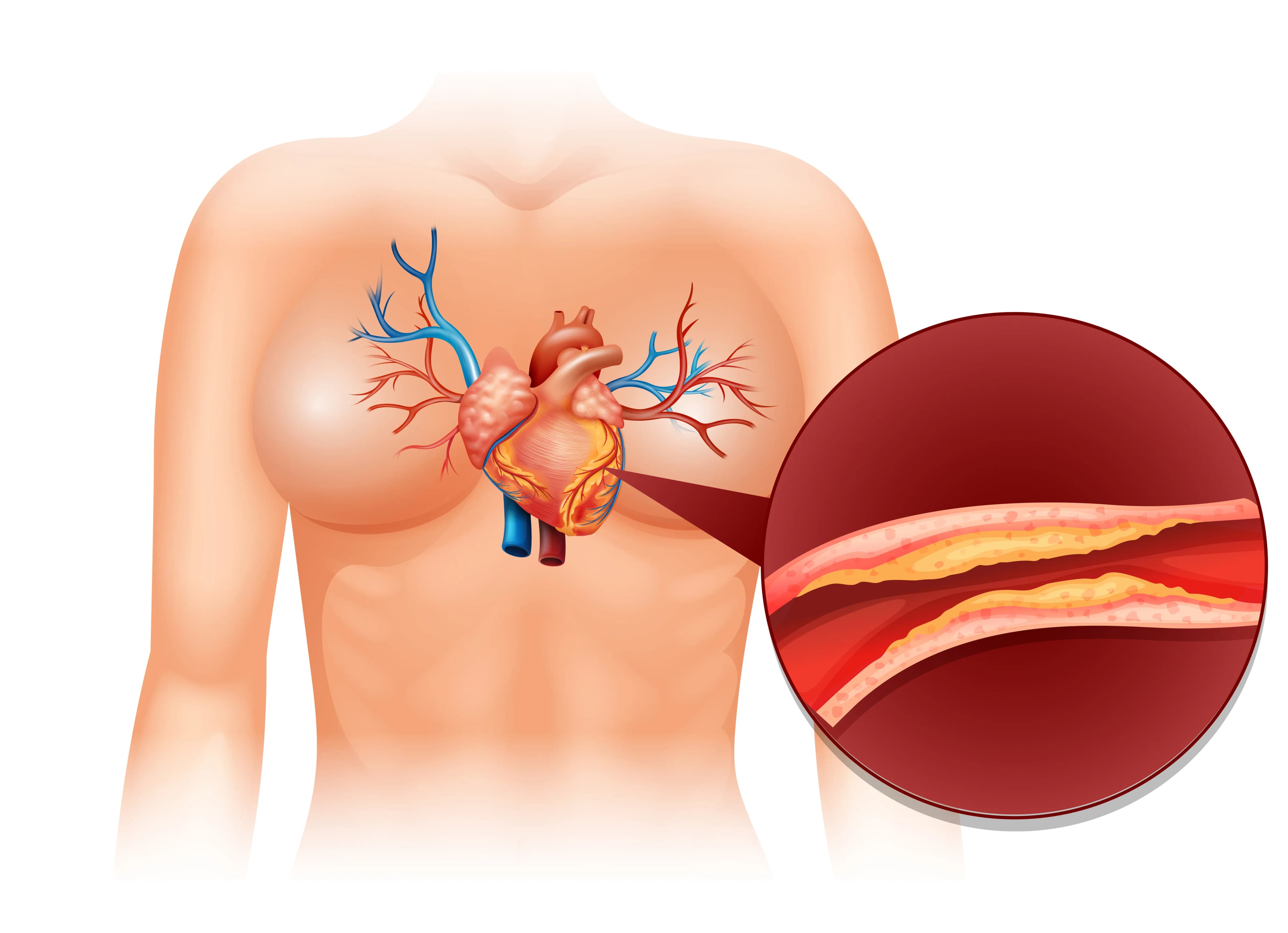
ASD closure is a medical procedure designed to seal an atrial septal defect (ASD), an abnormal opening in the septum, the wall between the heart's two upper chambers (atria). Typically, every newborn has a small opening in this area, which usually closes naturally within a few weeks or months after birth. However, in some cases, a baby may be born with a giant hole that does not close properly, necessitating the ASD closure procedure.
Apex Hospital's cardiology specialists utilize a minimally invasive technique known as cardiac catheterization to close an atrial septal defect.
Who needs to undergo an ASD closure?
If the atrial septal defect (ASD) is minor, it may not pose any immediate problems or require intervention. However, in the case of a large ASD, it can result in the leakage of blood into incorrect chambers of the heart. This condition puts additional strain on the heart and lungs, leading to symptoms and potential complications, including:
- abnormal heart rhythm (arrhythmia) such as atrial fibrillation or atrial flutter
- an enlarged heart
- heart failure
- pulmonary hypertension (high pressure in the lungs)
- shortness of breath
- an increased risk of stroke.
To mitigate these risks, the cardiologists at Apex Hospitals may recommend ASD closure, especially if you are susceptible to such complications or if you are undergoing surgery for another congenital heart defect. ASD closure is often performed in young children to prevent future heart damage and reduce the likelihood of complications.
Details of the procedures
How to prepare?
To prepare yourself for an atrial septal defect (ASD) closure, your care team will provide specific instructions. These may include briefly discontinuing certain medications, like blood thinners, before the procedure. Additionally, you will be required to refrain from eating or drinking after midnight on the day preceding the ASD closure.
Before the procedure, you may undergo several tests to evaluate your heart's condition and obtain clear images of the ASD for precise guidance during the repair. These tests may encompass:
- a chest X-ray to examine your heart's structure
- Doppler ultrasound to assess blood flow
- an echocardiogram for a comprehensive view of your heart's anatomy and blood circulation
- an electrocardiogram to monitor your heart rhythm.
These preparatory measures are crucial in ensuring a thorough understanding of your cardiac health and optimizing the success of the ASD closure procedure.
During the procedure
Surgical ASD Closure
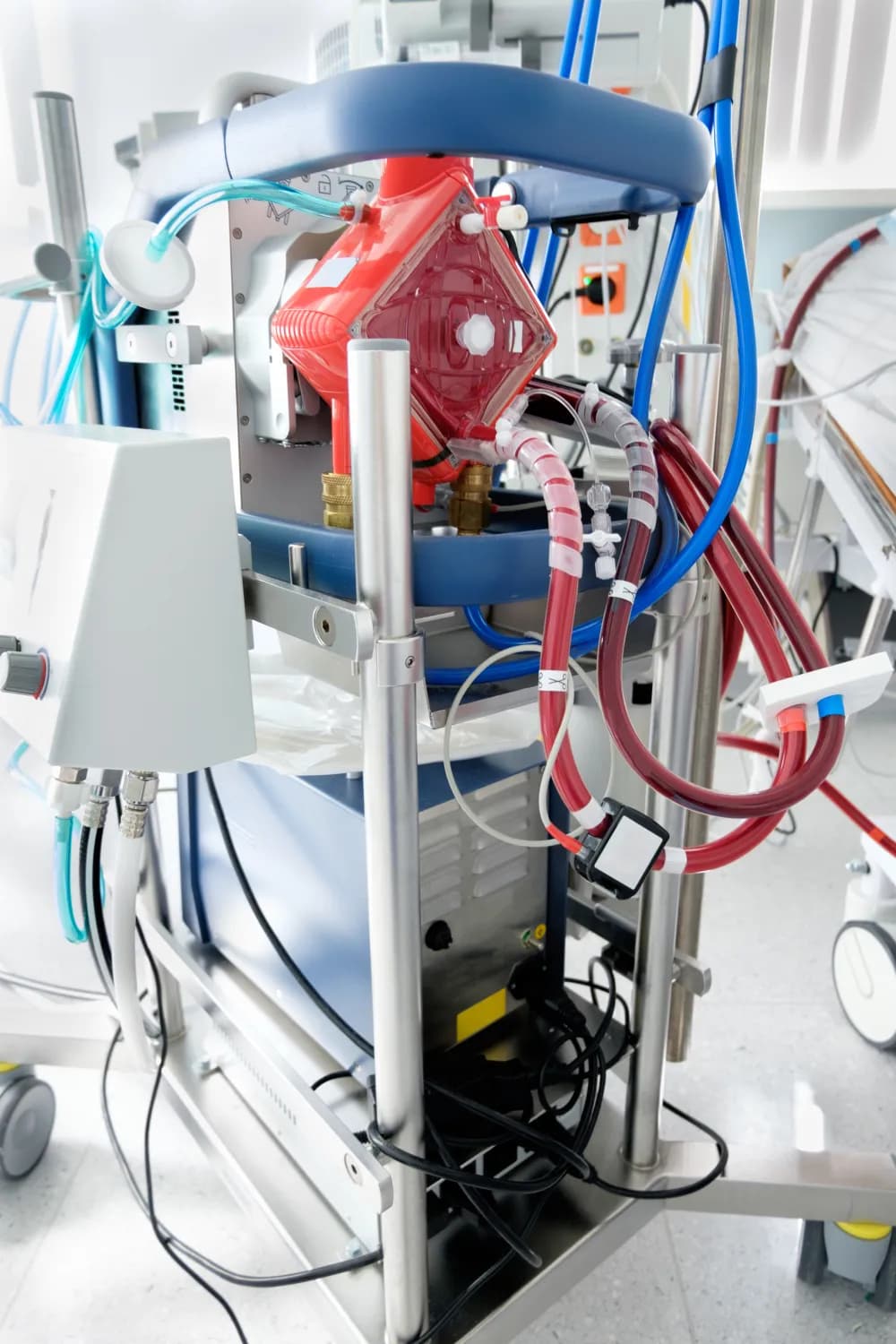
During the ASD closure surgery, you will be placed under general anaesthesia, ensuring that you are asleep and feel no pain throughout the procedure. A healthcare provider will connect you to monitoring machines that track vital signs such as heart rate and breathing. Additionally, a heart-lung machine will temporarily take over the cardiac functions during the operation.
To access the heart, your surgeon will make an incision
- down the middle of the chest over the breastbone
- on the right side of the chest
- In another location determined by the surgeon.
The ribs are then gently spread using a specialized tool. Using an endoscope—a thin tube equipped with a light and camera—the surgeon precisely identifies the atrial septal defect (ASD). Subsequently, the surgeon closes the ASD using a plug, patch, or sutures. This comprehensive approach ensures the successful closure of the defect while prioritizing patient comfort and safety.
Transcatheter ASD Closure
If you have a minor atrial septal defect (ASD) and no other concurrent heart conditions requiring correction, transcatheter ASD closure may be a viable option. This less invasive method often facilitates an easier and faster recovery process.
During transcatheter ASD closure, you may undergo general anaesthesia or receive sedative medications. Sedation induces a state of sleepiness and relaxation while keeping you conscious, unlike the complete unconsciousness associated with general anaesthesia.
In the transcatheter ASD closure procedure, your interventional cardiologist takes the following steps:
- Makes a small incision in the femoral vein, and sometimes a femoral artery, located in your groin.
- Introduces a thin tube known as a catheter, which carries the closure device at its end.
- Utilizes imaging technologies such as X-ray and echocardiogram to guide the catheter and the device through the vein to reach your heart.
- Positions the closure device within the ASD.
- Withdraw the catheter once the closure is completed.
Benefits of Transcatheter ASD Closure
Closing an atrial septal defect (ASD) through transcatheter methods offers substantial advantages in enhancing heart function and diminishing the risk of complications associated with ASD, including heart failure and stroke. Left untreated, an ASD may lead to the leakage of excess blood into the lungs, potentially causing lung damage.
The catheter-based ASD closure procedure stands out for its notable benefits. As it doesn't necessitate a large incision, patients undergoing this method generally experience quicker recovery than open-heart surgery. This translates to reduced hospitalization periods and fewer postoperative complications. Patients also commonly report experiencing less pain following transcatheter procedures.
ASD Closure Complications
ASD closures are considered safe procedures with a lower risk profile than open-chest surgery. The chances of complications associated with transcatheter ASD closure are generally lower than those with surgical ASD closure. Although complications are rare, they may include:
- Bleeding
- Infection around the closure device or the incision
- Kidney failure
- Stroke or transient ischemic attack (TIA)
- Irregular heart rhythms (arrhythmia)
Speak to our team about the ASD procedure
Consider a keyhole atrial septal defect (ASD) surgery as an optimal solution for those dealing with ASD. It's important to note that not all individuals with ASD require surgery, especially when dealing with minimal defects that may spontaneously close over a few years without causing complications. However, larger or strategically positioned atrial septal defects can lead to heart-related issues, such as overfilling blood in the lungs and the right side of the heart.
At Apex Hospitals, we provide a less invasive and speedier recovery alternative to open-heart surgery, particularly suitable for individuals with a sizable or challenging-to-reach atrial septal defect. Contact us today to arrange a consultation or a remote appointment with our team. We can explore the most appropriate treatment path for your ASD.