What is aneurysm repair?
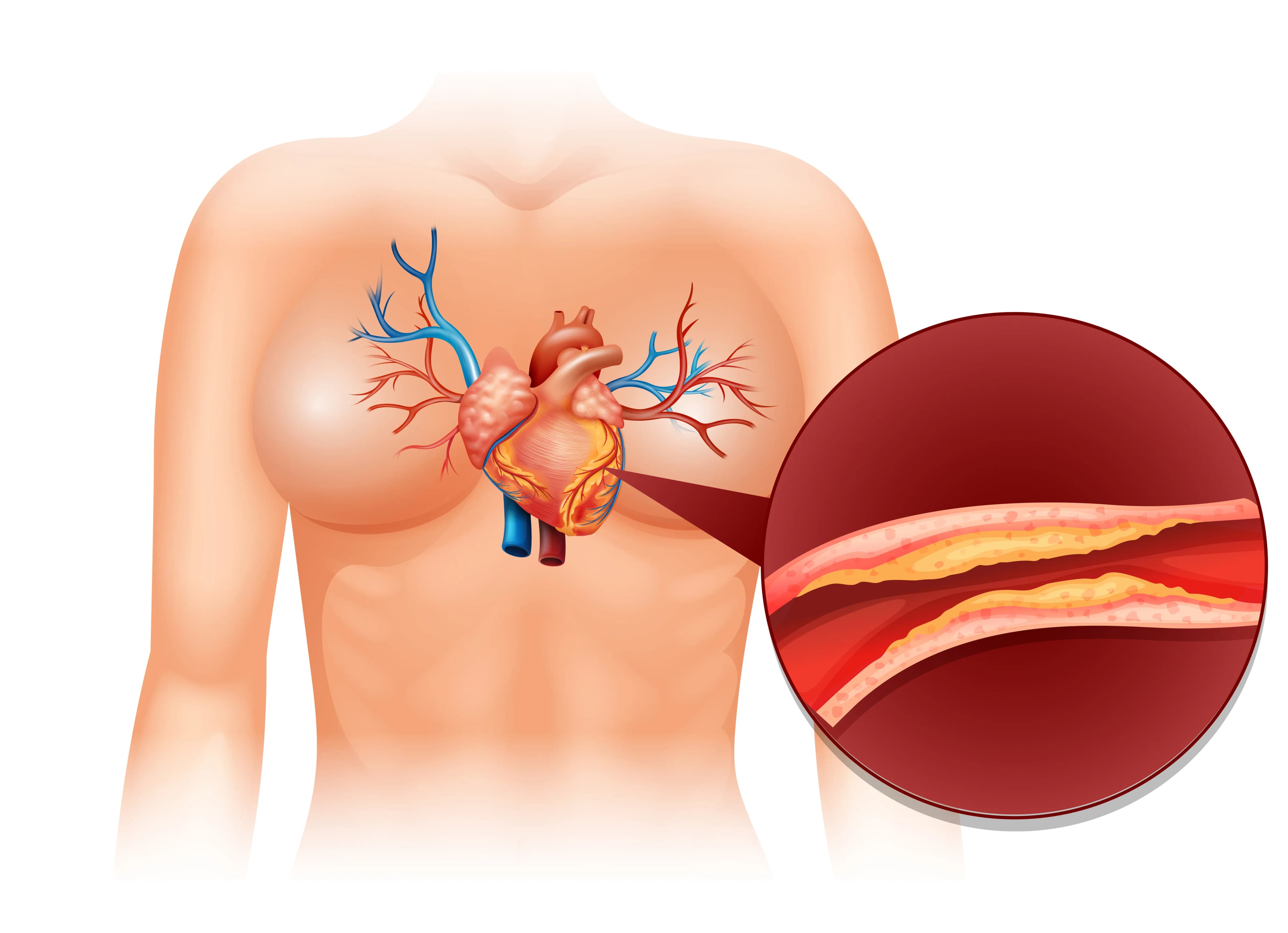
Aortic aneurysm repair, also known as traditional open surgery, is a therapeutic approach for addressing aortic aneurysms, which pose severe threats to one's health. The primary objective of open surgery is to avert the potential rupture or dissection of the aneurysm and, if necessary, to rectify damage resulting from such occurrences.
During this procedure, a surgeon eliminates the compromised section of the aorta and substitutes it with a synthetic fabric tube known as a graft. This graft acts as a replacement lining for the artery, facilitating the safe passage of blood.
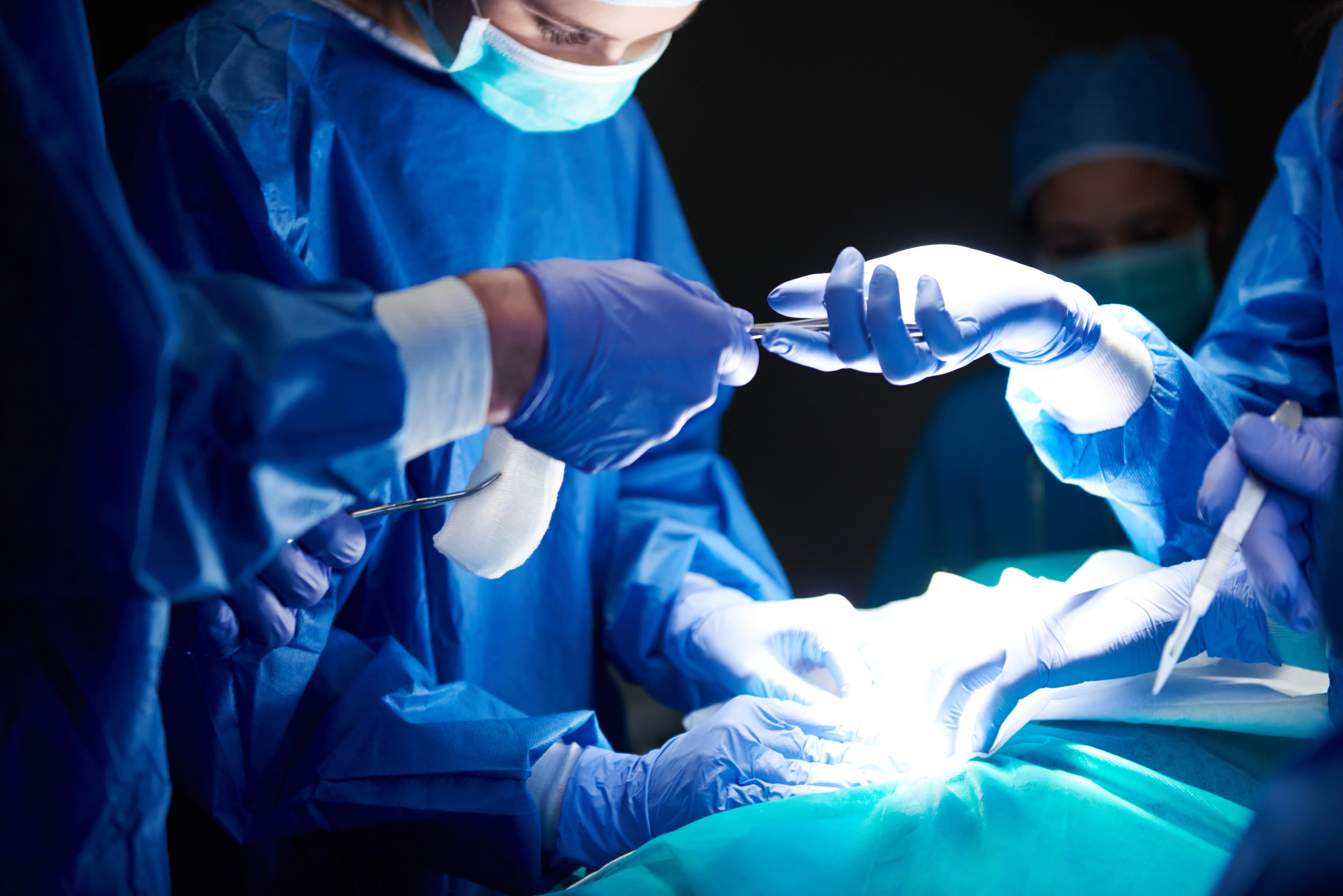
Conducted by a thoracic or vascular surgeon within a hospital's surgical suite, this surgery is classified as a major operation. To access the aneurysm, the surgeon is required to make a substantial incision either in the chest or abdomen, depending on the location of the aneurysm—whether in the thoracic region (thoracic aortic aneurysm) or slightly lower in the abdominal area (abdominal aortic aneurysm).
Aneurysm repair becomes imperative to prevent severe complications or potential fatality. Although, like any major surgical procedure, it entails inherent risks, the benefits typically outweigh these risks. Your healthcare provider will engage in a thorough discussion of available options, assess your case, and determine whether surgery is the most suitable course of action.
Who should undergo aneurysm surgery?
Individuals who have experienced a ruptured or dissected aortic aneurysm are candidates for this surgery, which is considered an emergency intervention capable of saving lives. Additionally, individuals may require this surgical procedure if they possess an aneurysm that is at risk of rupturing, even if it has not done so yet. The likelihood of surgery increases when the aneurysm is expanding or causing noticeable symptoms.
For individuals with a ruptured or dissected aneurysm:
In cases where an aneurysm has ruptured or dissected, immediate surgery is imperative. If you exhibit symptoms, urgent medical attention and intervention are needed.
- clammy or sweaty skin
- dizziness
- Fainting
- a rapid heartbeat
- nausea and vomiting
- shortness of breath
- sudden and severe pain in your belly, lower back, or legs,
- experience sudden sharp and tearing pain in your chest or back,
Details of the Aneurysm Repair Process
- Preoperative Phase:
Preparation for aneurysm surgery begins several weeks before the procedure. A comprehensive physical examination and various tests are conducted by your healthcare provider to ensure the safety of the surgery. Discussions with your provider cover:
- Medications: Review of the medications, including prescription, over-the-counter drugs, supplements, and herbs. Some may need to be discontinued before surgery.
- Medical Conditions: Management of pre-existing conditions like high blood pressure to optimize your health pre-surgery.
- Health Status: Communication about any illnesses such as cold, flu, or herpes breakout, as these could impact your response to surgery.
- Smoking: Advisement to refrain from smoking for at least a month before the surgery, with provided resources for quitting.
Specific instructions for the day of surgery may include:
- Fasting: Refrain from drinking anything after midnight before the surgery, including water.
- Medication: Take specified drugs on the morning of the surgery.
- Transportation: Arrange for someone to drive you home post-surgery.
It is crucial to adhere to these instructions and seek clarification for any uncertainties.
- Intraoperative Phase:
Once in the operating room, your care team ensures your comfort. General anaesthesia is administered, making you unconscious. The surgery comprises the following steps:
- Incision: A long incision is made in your skin to access the chest or belly, depending on the aneurysm's location.
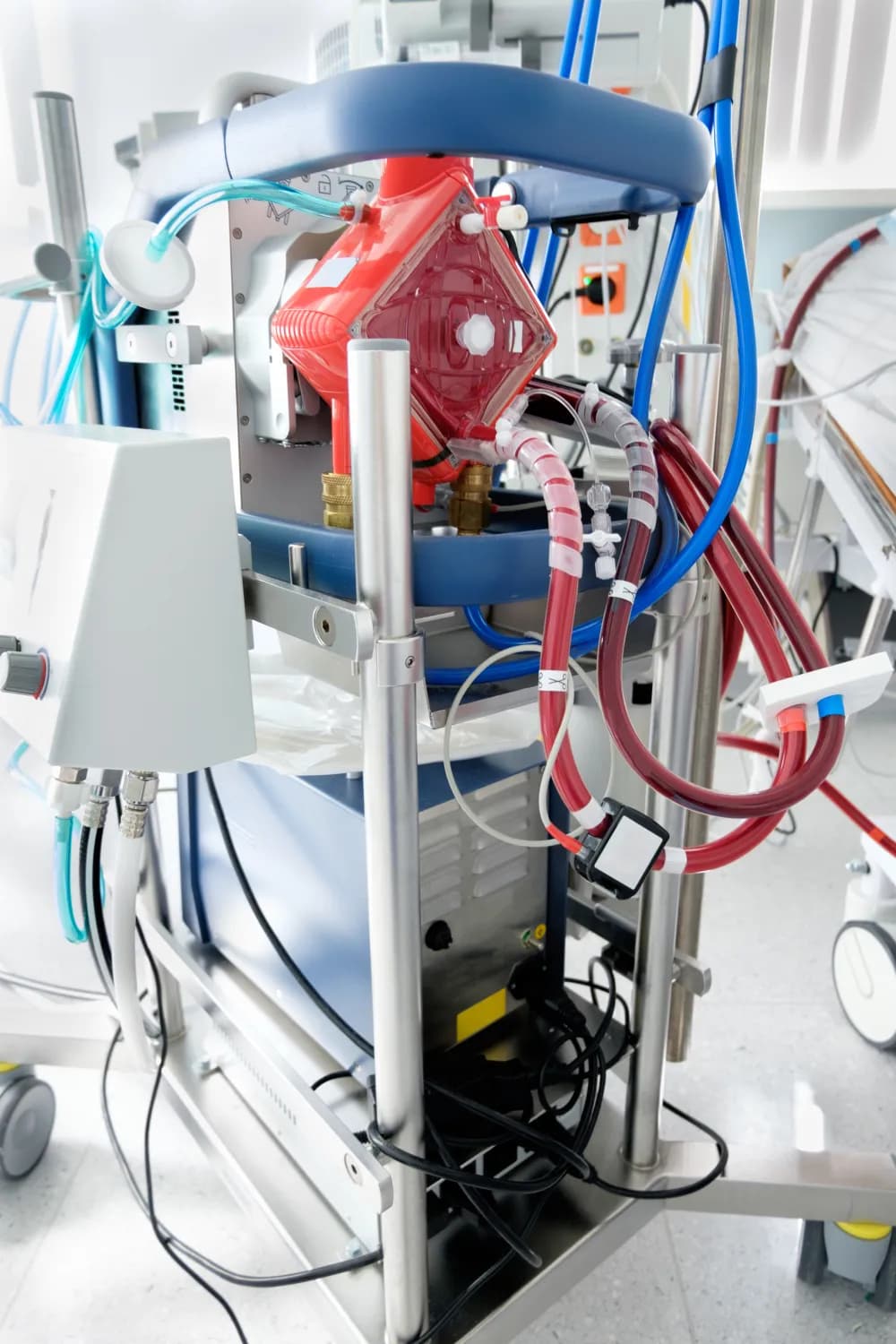
- Clamping: Clamps are used to obstruct blood flow above and below the aneurysm. A heart-lung machine may be employed to maintain blood circulation during the procedure.
- Graft Insertion: The primary objective is to insert a graft, replacing the affected section of the aorta with a tube made of synthetic material (e.g., polyester). This graft acts as a new lining, supported by sturdy walls, and is secured in place with stitches.
- Closure: The incision is closed using stitches or staples.
The entire aneurysm surgery typically lasts three to four hours.
- Postoperative Phase:
After the surgery, you are transferred to the intensive care unit (ICU) for close monitoring before transitioning to a standard hospital room, where your total stay may range from three to 10 days. During your hospitalization, you receive care that includes:
- Urinary Catheter: Facilitating urination.
- Stomach Tube: Draining fluids through the nose and stomach.
- Blood-thinning medication: Anti-coagulants to prevent clotting.
- Compression Socks: Aiding in preventing leg blood clots.
- Breathing Machine: Supporting lung function.
- Pain Medication: Easing recovery discomfort.
It is essential to adhere to your provider's guidance and allow sufficient time for rest. Ensure arrangements for transportation home as you will not be permitted to drive until approved by your provider.
Speak to our team about aneurysm repair
If you have questions or are seeking information about aneurysm repair, we encourage you to reach out and speak to our experienced team. Our team is here to provide detailed insights into the procedure, discuss potential treatment options, and address any concerns you may have. Whether you are considering aneurysm repair or seeking information for a loved one, our experts are dedicated to offering guidance, support, and clarity. Please feel free to contact us to schedule a consultation or to discuss any aspects related to aneurysm repair. Your health and well-being are our top priorities, and we are here to assist you every step of the way.