Logo
Logo
DoctorsBook Appt.Call

Contact Us

Medicine UnmaskedCall Emergency Helpline
Logo

Book appointment

Contact Us

Medicine UnmaskedCall Emergency Helpline
Logo

Book appointment

Get Your Surgery Cost Estimate. Know the Price Before You Decide

Receive a detailed surgery cost estimate based on your diagnosis and treatment plan. Our experienced surgical teams and modern infrastructure ensure safe outcomes. Plan your procedure with clarity, confidence, and complete medical transparency.

Quick Appointment

Fill in your details to get started

What is 2-D Echocardiography?

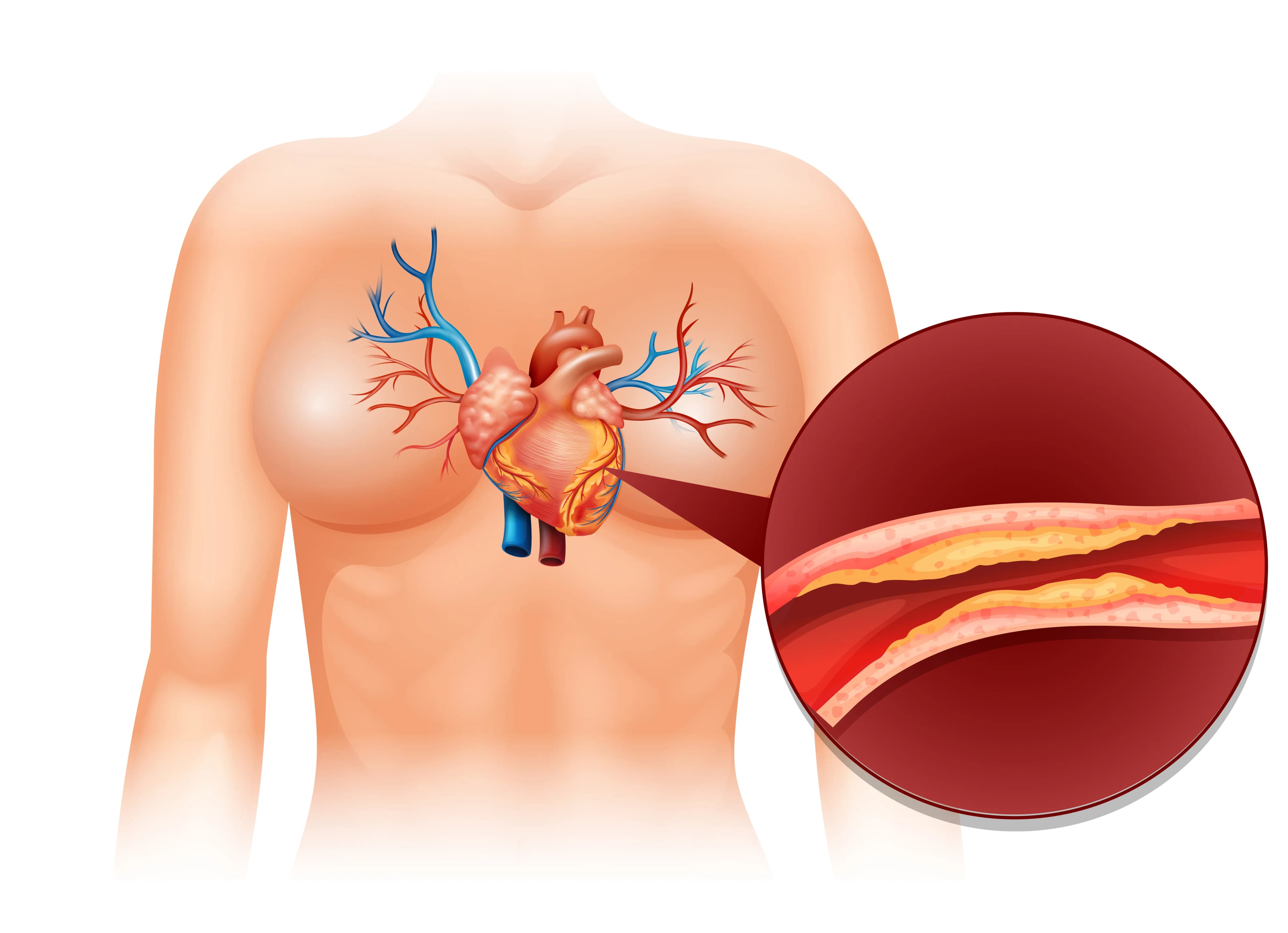
2-D echocardiography, commonly referred to as 2-D echo, is a non-invasive diagnostic procedure employed for evaluating the performance and examining the various segments of the heart. Utilizing sound vibrations, this test generates images of distinct heart components, aiding in examining damages, obstructions, and blood flow rates. Regular 2-D echo examinations are advised by physicians to detect and address potential heart issues in their early stages, contributing to maintaining good health and vitality as you age.

Why might I need an Echocardiography?

2-D echocardiography is conducted to identify the following cardiac conditions:

  1. Any hidden heart diseases or irregularities.
  2. Congenital heart diseases, blood clots, or tumours
  3. Dysfunction of the heart valve.
  4. Abnormal blood flow within the heart.

The information obtained through 2-D echo pertains to the heart's functionality, aiding in diagnosing malfunctions and formulating treatment plans for emerging diseases.

Risks of 2-D echocardiography

This imaging technique is non-invasive and involves minimal to no risks. Discomfort may arise due to the transducer's positioning, exerting pressure on the body's surface. Some individuals may experience discomfort or pain from lying still on the examination table throughout the procedure. Additional risks may be present based on individual health conditions, and addressing any concerns with your doctor before undergoing the procedure is advisable.

How to get ready for 2-D echocardiography?

  1. Your physician will provide an overview of the procedure and ask if you have any questions.
  2. Typically, preparation, such as fasting or sedation, is not required.
  3. Inform your doctor about all prescribed and over-the-counter medications and herbal supplements you are currently using.
  4. Let your doctor know if you have a pacemaker.
  5. Depending on your medical condition, your doctor may recommend additional specific preparations.

What happens during the procedure?

The procedure lasts approximately 30 minutes to an hour and is conducted safely under the supervision of a radiologist and a cardiologist.

  1. During the process, the lab technician applies a colourless gel, and the transducer is moved across different areas of the chest to assess sound vibrations.
  2. The gel aids the transducer in obtaining views of the heart, tissues, and structures.
  3. Following the test, the gel is wiped off.

You will be provided with test images either in print or recorded on a DVD, allowing your physician to interpret the results for any abnormalities or potential developing diseases.

What happens after the procedure?

Unless otherwise instructed by your doctor, please return to your regular diet and activities.

Typically, there is no specific post-echocardiogram care required. However, your doctor may provide additional instructions based on your circumstances following the procedure.

Secure the well-being of your heart and contribute to your family's happiness by scheduling our basic or advanced cardiac package today. Take advantage of our discounted prices and book your preferred package without delay.

Speak to our team about 2-D echocardiography

We encourage you to speak with our knowledgeable team if you have questions or concerns about 2-D echocardiography. Our team can provide information about the procedure, its benefits, and how it can contribute to understanding your heart health. Whether seeking clarification or considering undergoing a 2-D echocardiogram, our experts address your inquiries and ensure you have the information you need for informed decision-making. Feel free to contact us to discuss 2-D echocardiography and its role in assessing and monitoring your cardiac well-being.


Frequently Asked Questions

We've compiled a list of the most frequently asked questions to help you find the information you need quickly and easily.

“If you can't find the answer to your question here, please don't hesitate to contact our support team for assistance.”

Generally, the procedure is well-tolerated. Some individuals may experience mild discomfort from the gel application or lying still during the test.
Yes, it is a widely used diagnostic tool suitable for people of various ages, including children and the elderly.
The frequency depends on individual health conditions. Your doctor will recommend the appropriate intervals for follow-up examinations.
Typically, the images are reviewed by a cardiologist, and the results are then discussed with the patient during a follow-up appointment.
If the heart muscle moves weakly during the 2-D echo test, it may suggest damaged heart tissue. However, the ECG is a better diagnostic test for detecting a heart attack as it measures the electrical impulses of the heart muscle that can provide a complete picture of a heart attack.

Blogs

Multiple Myeloma: When Is a Stem Cell Transplant Needed?

September 4, 2026

Read More
Migraine Symptoms, Triggers & Treatment | Apex Hospitals

September 2, 2026

Read More
When Does Chronic Kidney Disease Need a Kidney Transplant?

August 15, 2026

Read More
Common Neurological Diseases in India: Prevalence, Risk Factors & Expert Care in Jaipur

August 14, 2026

Read More
Leukemia and Lymphoma: How Bone Marrow Transplant Changes the Outcome

August 8, 2026

Read More
Brain and Spine Problems: Common Causes, Risk Factors, and Treatment Options

August 8, 2026

Read More
Vascular Trauma: Why the Golden 6 Hours Can Save Your Limb

August 4, 2026

Read More
Support After Kidney Transplant: Your Complete Recovery Guide

August 1, 2026

Read More
Robotic Knee Replacement in Jaipur: What Patients Need to Know in 2026

July 30, 2026

Read More
Why Do Some Patients Need Surgery for Hernia, Gallstones or Abdominal Problems?

July 28, 2026

Read More
Types of Blood Cancer That Require a Bone Marrow Transplant

July 27, 2026

Read More
Understanding the Causes of Acute Respiratory Failure

July 23, 2026

Read More
Logo

To Book an appointment : +91 9829030011

For emergency : 0141-4101111

For Ambulance : +91 9929380108

care@apexhospitals.com

Download Our App

Quick Links

Find a doctor

About Us

Specialities

Careers

Contact Us

Privacy Policy

Disclaimer

Terms And Conditions

Academics

Apex Samvad

Resources

Events

News

Diseases

Health Checkup

Bio Medical Waste

EHSS Policy

NABH & NABL Certificates

Internal Grievance

External Grievance

CSR Policy

Locations

Apex Hospital - Malviya Nagar

Apex Hospital - Mansarovar

Apex Hospital - Sawai Madhopur

Apex Hospital - Jhunjhunu

Apex Hospital - Bikaner

Apex Hospital - Sri Ganganagar

Apex Hospital - Udaipur

Apex Hospital - Lucknow

Download on the App Store 
GET IT ON Google Play 

Powered By Docfyn