What is a Sleeve Gastrectomy?
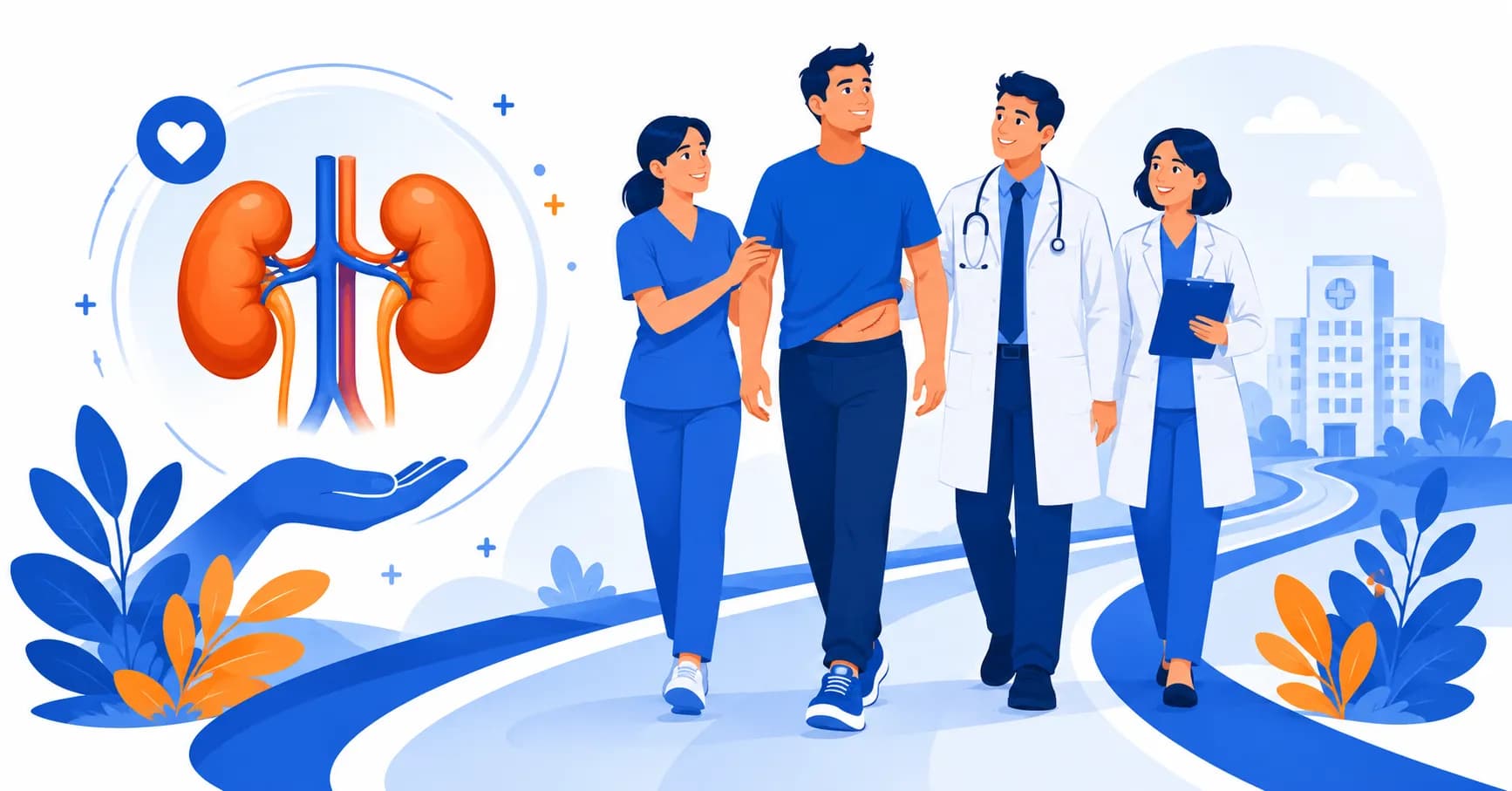
A surgical weight-loss surgery is a Gastrectomy Sleeve, sometimes called a vertical sleeve gastrectomy. Laparoscopic surgery is frequently used for this operation, which entails introducing tiny instruments through numerous small incisions in the upper belly. The stomach is removed from the body during a sleeve gastrectomy, leaving behind a tube-shaped stomach roughly the size and shape of a banana.
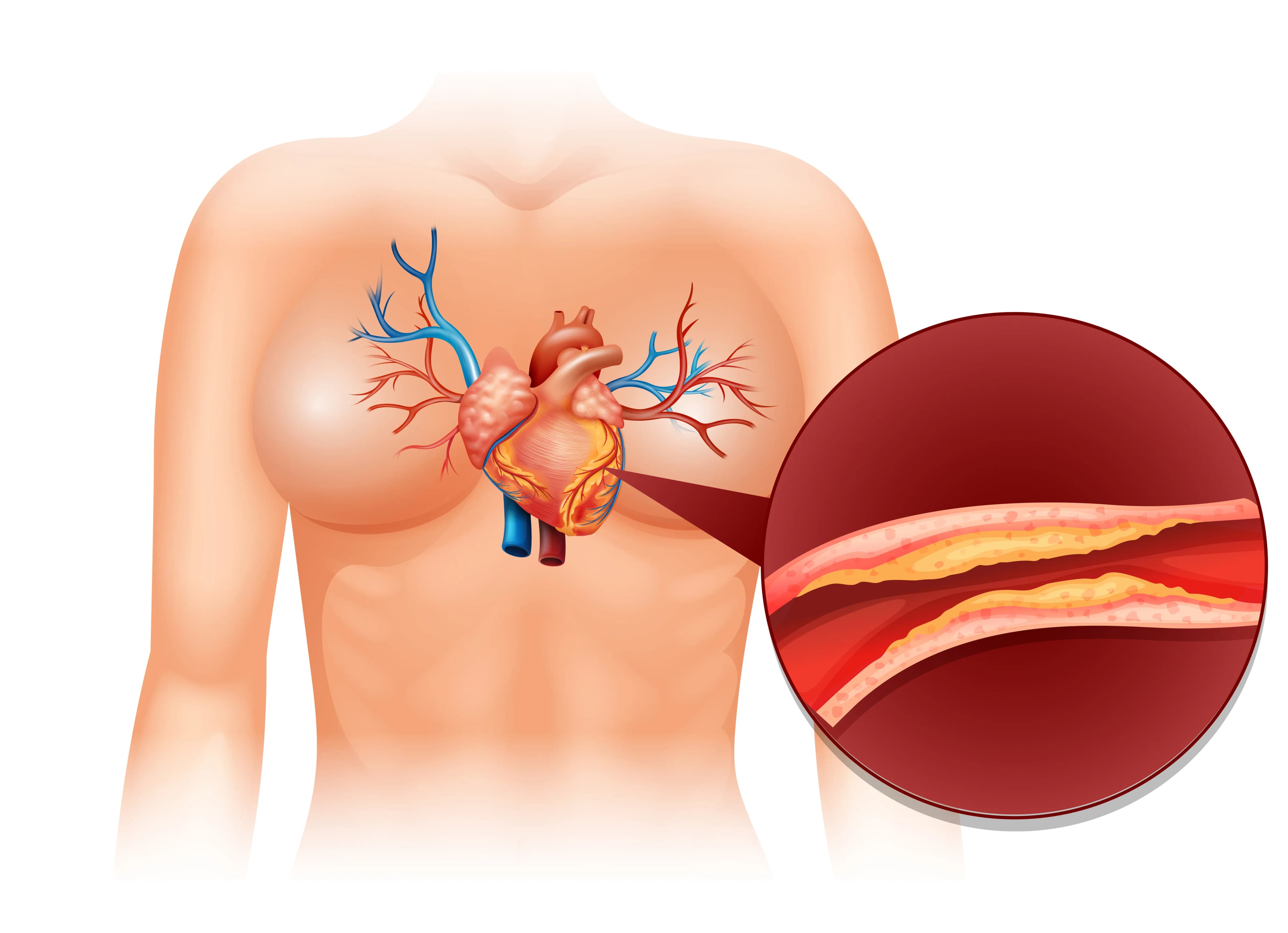
Your eating ability depends on how much food you can fit in your stomach. The surgery also triggers hormonal adjustments that help with weight loss. The same hormonal changes also aid in treating diseases like high blood pressure or heart disease linked to obesity.
Why is it done?
Sleeve gastrectomy is performed to assist you in losing excess weight and lower your risk of serious, maybe fatal, weight-related health issues, such as:
- Heart condition
- Elevated blood pressure
- High triglycerides
- Obstructive snoring
- Diabetes type 2
- Stroke
- Cancer
- Infertility
A gastric sleeve surgery is often performed only after you've tried to reduce weight by altering your eating and exercise routines.
In general, you might be a candidate for sleeve gastrectomy surgery if:
- You are highly obese if your body mass index (BMI) is 40 or greater.
- You have an obesity-related serious health issue, such as type 2 diabetes, high blood pressure, or severe sleep apnea, and your BMI is between 35 and 39.9 (obesity). If your BMI is between 30 and 34 and you have major weight-related health issues, you might be eligible for some types of weight-loss surgery.
You must also be prepared to make long-term adjustments to live a healthier lifestyle. Long-term follow-up programs that track your diet, way of life, behaviour, and health issues may be expected of you.
Risks
Sleeve gastrectomy has possible long-term and short-term health risks like any significant operation.
The following are some potential risks of sleeve gastrectomy:
- Excessive bleeding
- Infection
- Negative effects of anesthesia
- Clots of blood
- Breathing or lung issues
- Leaks from the stomach's cut edge
The following long-term dangers and side effects of sleeve gastrectomy surgery:
- Blockage in the digestive tract
- Hernias
- Stomach acid reflux
- Hypoglycemia, or low blood sugar
- Malnutrition
- Vomiting
How do you prepare?
You should start a physical activity routine and quit smoking weeks before your surgery.
You might have limitations on what you can eat, and drink, and which drugs you can take before your treatment.
Planning for your post-operative rehabilitation is an excellent idea right now. Organize assistance at home, for instance, if you anticipate needing it.
What can you expect during the procedure?
A sleeve gastrectomy is performed in a hospital. Depending on your condition, your hospital stay could last one to two nights.
During the procedure
The specifics of your surgery are determined by your circumstances as well as the practices of the hospital or doctor. Some sleeve gastrectomies are performed using traditional big (open) abdominal incisions. On the other hand, sleeve gastrectomy is often performed laparoscopically, which entails introducing small instruments through many small incisions in the upper belly.
Before your procedure, you will be given a general anaesthetic. Anaesthesia is a medication that keeps you awake and comfortable throughout surgery. The surgeon forms a narrow sleeve by stapling the stomach vertically and removing the more comprehensive, curved section of the abdomen during sleeve gastrectomy. Surgery usually takes between one and two hours. You awaken in a recovery room after surgery, where medical staff monitors you for any issues.
After the procedure
After a sleeve gastrectomy, your diet will consist of sugar-free, noncarbonated liquids for the first seven days, pureed foods for three weeks, and conventional foods for four weeks later. For the rest of your life, you'll have to take a multivitamin twice a day, a calcium supplement once a day, and a vitamin B-12 injection once a month.
In the months following weight-loss surgery, you will have periodic medical appointments to monitor your health. You may require laboratory testing, bloodwork, and other procedures.
In the first three to six months after a sleeve gastrectomy, you may notice the following changes as your body adjusts to the rapid weight loss:
- Body ache
- Tiredness
- Dehydrated skin
- Feeling cold
- Hair loss and thinning
- Mood swings
Results of Sleeve Gastrectomy
Sleeve gastrectomy can help you lose weight for good. The amount of weight you lose is determined by your lifestyle changes. Within two years, you could drop up to 60% of your excess weight, if not more.
In addition to weight loss, sleeve gastrectomy may alleviate or resolve conditions associated with obesity, such as:
- Heart disease
- High Blood pressure
- High cholesterol levels
- Obstructive sleep apnoea (OSA)
- Diabetes mellitus type 2
- Stroke
- Infertility
Sleeve gastrectomy surgery can also assist you in accomplishing ordinary everyday activities and improve your quality of life.