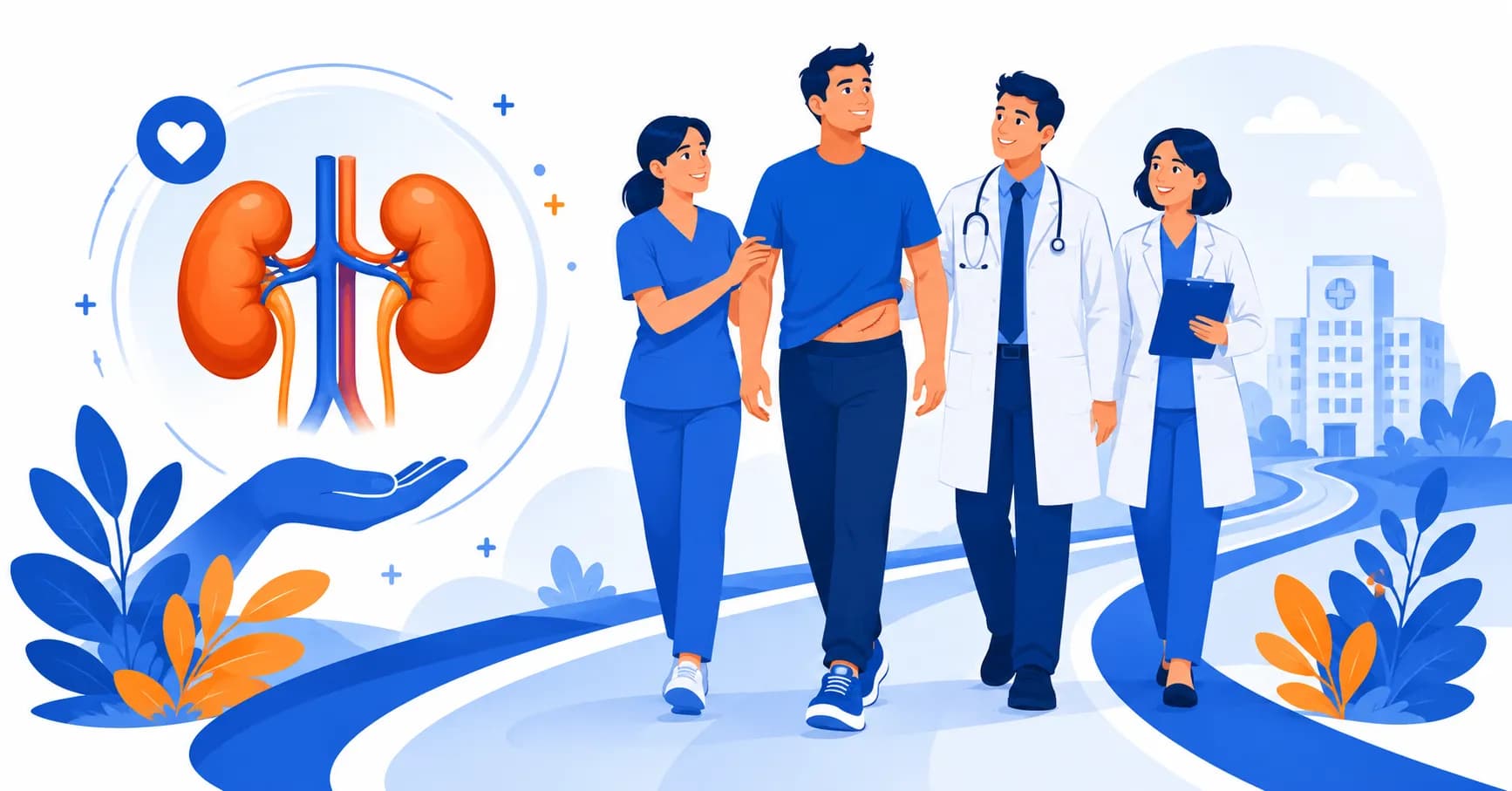
What is Biliopancreatic diversion with duodenal switch?
Biliopancreatic Diversion with duodenal switch (BPD/DS) is a rare weight-loss treatment with two phases.
First, sleeve gastrectomy removes 80% of the stomach, leaving a banana-shaped tube. The pyloric valve and a tiny part of the small intestine that links to the stomach (duodenum) remain.
The end of the intestine is connected to the duodenum near the stomach in the second step, bypassing most of it. A BPD/DS restricts food intake and lowers protein and fat absorption.
Sleeve gastrectomy and intestinal bypass after weight loss are usually performed together; however, in some cases, they are done separately. BPD/DS is successful but risks starvation and vitamin deficits. This technique is advised for BMIs over 50.
Why is it done?
A BPD/DS helps you lose weight and minimize your risk of life-threatening weight-related health issues, such as:
- Heart disease
- High blood pressure
- High Cholesterol
- Severe Sleep apnoea
- Type-2 diabetes
- Stroke
- Infertility
A BPD/DS is usually done after you've tried to lose weight through diet and exercise.
But not all highly overweight people need a BPD/DS. You may be screened extensively to determine eligibility.
Risks
A BPD/DS, like any major operation, has possible health hazards, both short and long-term.
The risks of BPD/DS are comparable to those of any abdominal surgery and can include:
- Excessive bruising
- Infection
- Adverse effects of anaesthesia
- Clots in the blood
- Problems with the lungs or breathing
- Leaks in your digestive system
Long-term risks and difficulties associated with BPD/DS may include:
- Obstruction of the bowel
- Dumping syndrome, which causes diarrhoea, nausea, and vomiting
- Gallstones
- Hernias
- Hypoglycaemia.
- Malnutrition
- Perforation of the stomach
- Ulcers
- Vomiting
BPD/DS problems are rarely lethal.
To live healthy before and after surgery, you must make permanent adjustments. Long-term follow-up strategies may examine nutrition, lifestyle, and medical issues.
How do you prepare?
If you are eligible for a BPD/DS, your healthcare team will teach you how to prepare for surgery. Before surgery, you may need to have a series of lab tests and exams.
Food and medicines
Give your surgeon and other healthcare providers a list of all medications, vitamins, minerals, and herbal or nutritional supplements you use before surgery. You may need more than what you can eat and drink and which drugs you can use. If you take blood thinners, consult your doctor before having surgery. Because these medications alter clotting and bleeding, you may need to change your blood-thinning prescription regimen.
If you have diabetes, consult the doctor who controls your insulin or other diabetic medications for particular advice on how to take or change them following surgery.
Other precautions
You may be asked to begin a physical exercise program and quit smoking.
You may also need to plan for your recovery after surgery. For example, if you believe you will want assistance at home, make arrangements for it.
What can you expect?
During the surgery
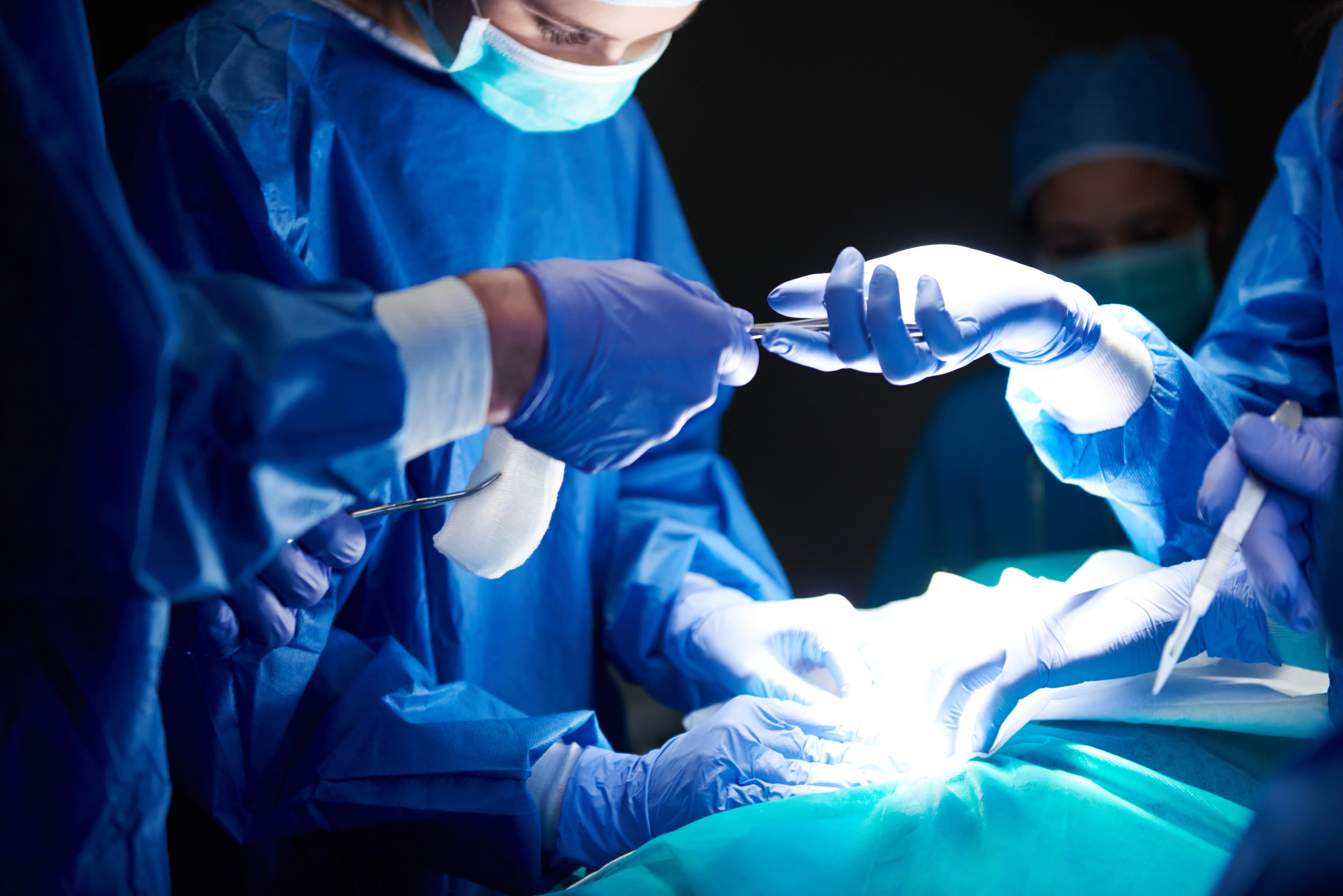
Laparoscopic surgery can be used to treat BPD/DS. This is accomplished through a series of minor cuts (incisions). Tiny instruments and a thin tube containing a light and a camera are inserted into the small incisions. Some surgeons employ robotic tools to assist with specific procedures.
Biliopancreatic Diversion with Duodenal Switch may be performed as open surgery in some circumstances. In this procedure, the surgeon makes a single bigger incision rather than multiple smaller ones. Through this incision, they can view and use tools.
In general, the procedure goes as follows:
- Anesthesia will be administered to you to relieve pain and put you to sleep throughout the procedure.
- The surgeon will make incisions.
- The surgeon will use staples to block off a portion of the stomach to form a smaller new stomach pouch. The remainder of the stomach is removed by incision.
- The duodenum (the initial part of the small intestine) is divided. A concise section of the small intestine is pulled up and connected to it.
- The bypassed small intestine is rejoined to the remaining small intestine.
- The surgeon will then remove the tools, and the incisions will be closed using stitches (sutures), staples, or surgical glue.
After the surgery
You will awaken in a hospital recovery room. You will be offered pain reliever medication. You will be transferred to a hospital room. You will be asked to leave bed and move around within the next day. This aids in the prevention of blood clots in the legs. You'll get liquid nutrients. When you're ready to go home, your team will notify you.
You may experience stomach or intestinal discomfort or nausea initially. Inform your doctor if your pain or nausea is severe or does not improve with time. Take pain relievers as directed. Your healthcare team will advise when it is safe to shower, drive, return to work, exercise, and lift objects.
Following your operation, you will be given information on adjusting to your new diet. After surgery, you will likely be on liquid nutrition for a few weeks. You will gradually begin to eat soft meals, followed by solid foods. You will most likely have stomach pain or vomiting if you consume too much or too quickly. You'll discover how to tell when your new stomach is full.
Your healthcare professional or a dietitian will provide more diet guidelines. You must develop positive habits such as eating healthy foods and avoiding missing meals. Your healthcare physician or nutritionist must also evaluate you for vitamin deficiencies.
After BPD/DS surgery, you will need to take supplements daily. These are some examples:
- A, D, E, and K vitamins
- Multivitamin
- Supplemental iron
- Calcium supplementation
- Supplements or injections of vitamin B-12
To stay healthy following surgery, collaborate with your healthcare team. Make certain to:
- Adhere to the nutrition plan set by your dietitian.
- Participate in frequent physical activity. Begin cautiously and gradually increase your activity level.
- To help you adjust, speak with a counsellor or a weight-loss surgery support group.