What is Chronic Venous Insufficiency?
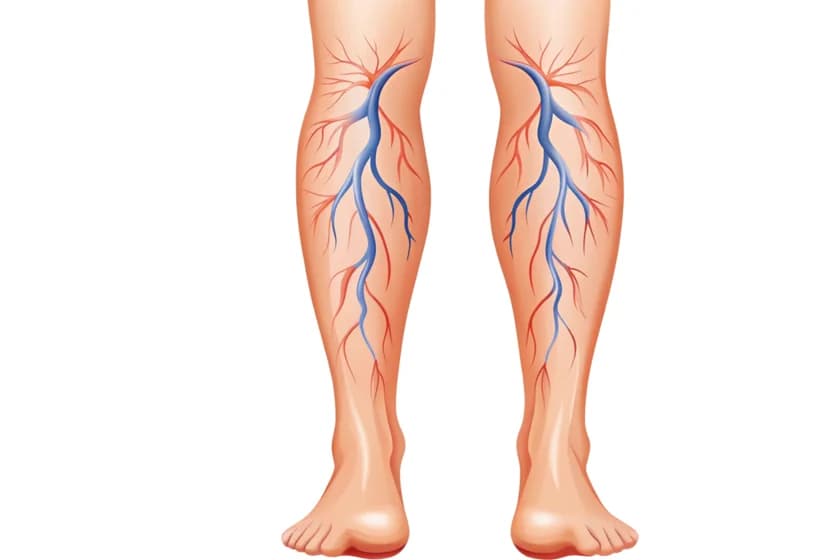
Chronic Venous Insufficiency (CVI) is a long-term condition that affects the veins in your legs, making it harder for blood to flow back up to your heart. When the vein walls or valves become weak or damaged, blood pools in the lower legs, creating pressure and discomfort over time.
This backwards flow of blood, also known as venous reflux, leads to increased pressure in the leg veins, which can cause a variety of symptoms such as swelling, aching, heaviness, and in more advanced cases, skin changes or venous ulcers.
- Deep veins – These are large veins located deep within your muscles.
- Superficial veins lie closer to the skin's surface and are often where varicose veins appear.
- Perforating veins – These connect the deep and superficial vein systems and play a key role in proper blood circulation.
Damage to any of these vein types, due to factors like ageing, genetics, blood clots, obesity, or standing for long periods, can contribute to the development of CVI.
At Apex Hospitals in Jaipur, our team of vascular specialists provides personalized, evidence-based treatment plans to help you manage CVI effectively and prevent long-term complications.
Treatment Options for Chronic Venous Insufficiency
-
Compression Therapy
One of the most common and effective ways to manage chronic venous insufficiency in its early stages is by wearing compression stockings. These snug-fitting, medical-grade socks are designed to gently apply pressure to your legs, which helps improve blood flow back to your heart.
By supporting your veins and reducing pressure buildup, compression stockings:
- Minimize leg swelling
- Prevent blood from pooling
- Reduce fatigue, aching, and heaviness
- Slow the progression of CVI-related symptoms
Often considered the first line of treatment, compression therapy is non-invasive and easy to incorporate into your daily routine. Whether you're standing for long hours, traveling, or simply managing mild CVI symptoms, compression stockings can provide welcome relief and help protect your vascular health.
-
Laser Treatment
A minimally invasive procedure using laser energy to close off damaged veins.
-
Radiofrequency Ablation (RFA)
Uses heat to seal off faulty veins, improving blood flow in healthy veins.
-
Sclerotherapy
A medication is injected into smaller varicose veins, causing them to collapse and fade over time.
-
Surgical Intervention
In rare or advanced cases, surgery may be required to remove severely damaged veins or treat venous ulcers.
If you're experiencing symptoms of venous insufficiency in the legs, don’t wait. Our team at Apex Hospitals Jaipur is here to help with proven, effective treatments for CVI.