What is a Robotic hysterectomy?
A robotic hysterectomy is a surgical procedure in which a surgeon utilizes a robotic system to remove the uterus. The uterus, a hollow and muscular organ located in the pelvis, is where a foetus develops during pregnancy. This procedure is the second most common surgery performed on women, following C-sections.
Robotic hysterectomy offers several advantages, including minimal invasiveness, shorter hospital stays, faster recovery times, and reduced postoperative complications. The robotic system provides a high-definition, three-dimensional view of the surgical area, allowing for a more excellent range of motion and precision than traditional methods. This advanced technology enables surgeons to handle instruments from various angles and positions, making it easier to perform intricate tasks that would be challenging to accomplish manually.
Why you might need a Robotic hysterectomy?
Robotic hysterectomy may not be suitable for every patient. It is essential to have a detailed discussion with your surgeon to determine if this type of surgery suits your situation. This approach can be particularly beneficial for individuals with obesity or those facing complex surgical challenges, such as pelvic adhesive disease, where scar tissue connects nearby organs.
A hysterectomy can be recommended for various medical conditions, including:
- Abnormal or excessive vaginal bleeding
- Severe and persistent pelvic pain
- Uterine fibroids
- Uterine cancer
- Uterine prolapse
- Advanced stage endometriosis
Consulting with our healthcare provider will help you understand if a robotic hysterectomy is right for you.
Robotic Surgery System at Apex Hospitals
Robotic hysterectomy is performed using the SSI MANTRA surgical system. This cutting-edge, India-made robotic platform enables surgeons to remove the uterus with superior vision, control, and precision, all at an affordable cost. Our advanced program is supported by highly skilled surgeons, nurses, and technicians, all trained to utilize this technology expertly. By minimizing surgical trauma, we strive to improve our patients' long-term survival rates and enhance their overall quality of life.
What are the risks associated with Robotic hysterectomy?
Robotic hysterectomy is considered a safe procedure; however, like all surgeries, it comes with certain risks. Before surgery, you must sign a consent form outlining the potential risks and benefits. It's essential to have a thorough discussion with your surgeon about these factors.
Some common risks associated with hysterectomy, regardless of the method used, include:
- An allergic reaction to anaesthesia
- Infection
- Bleeding
- Damage to surrounding organs within the abdomen
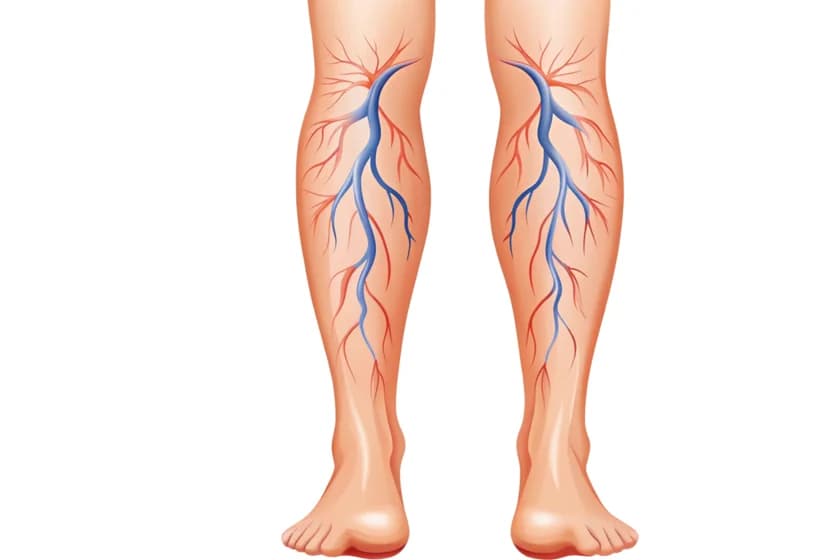
- Blood clots that may develop in the legs and potentially travel to the lungs
An additional consideration specific to robotic surgery is that it may take longer than other surgical techniques, extending your time under anaesthesia and potentially increasing certain surgical risks.
What happens during Robotic hysterectomy?
During a robotic hysterectomy, you will lie on your back in a position similar to that used for a Pap test. A urinary catheter may be placed to help empty your bladder before the procedure begins. A surgical team member will clean the area where the surgery will be performed to ensure a sterile environment.
Once you are under anaesthesia, your surgeon will make five small incisions in your abdomen and insert slender surgical instruments through these openings.
Throughout the procedure, your surgeon will utilize control devices to handle the instruments for the removal of your uterus. Depending on your specific medical condition, your surgeon may also decide to remove one or both ovaries and your fallopian tubes. An assistant will be present at the operating table to reposition instruments, add or remove surgical devices, and provide additional support that the surgeon may require. Meanwhile, members of the anaesthesia team will continuously monitor your condition and ensure your comfort during the surgery.
Depending on your unique medical situation, there may be other specific risks to consider. Addressing your concerns with your healthcare provider before the procedure is essential.
Speak to Our Team About Robotic Hysterectomy
Are you considering a robotic hysterectomy? Our expert team at Apex Hospitals is here to provide you with the information and support you need. This advanced surgical procedure utilizes cutting-edge robotic technology to perform a minimally invasive removal of the uterus, offering numerous benefits, including reduced recovery time and less postoperative pain.
Our highly skilled surgeons are trained in robotic techniques and are dedicated to ensuring a safe and effective surgical experience tailored to your needs. Please contact our team if you have questions about the procedure, potential risks, or what to expect during recovery. We're here to help you make informed decisions about your health!