
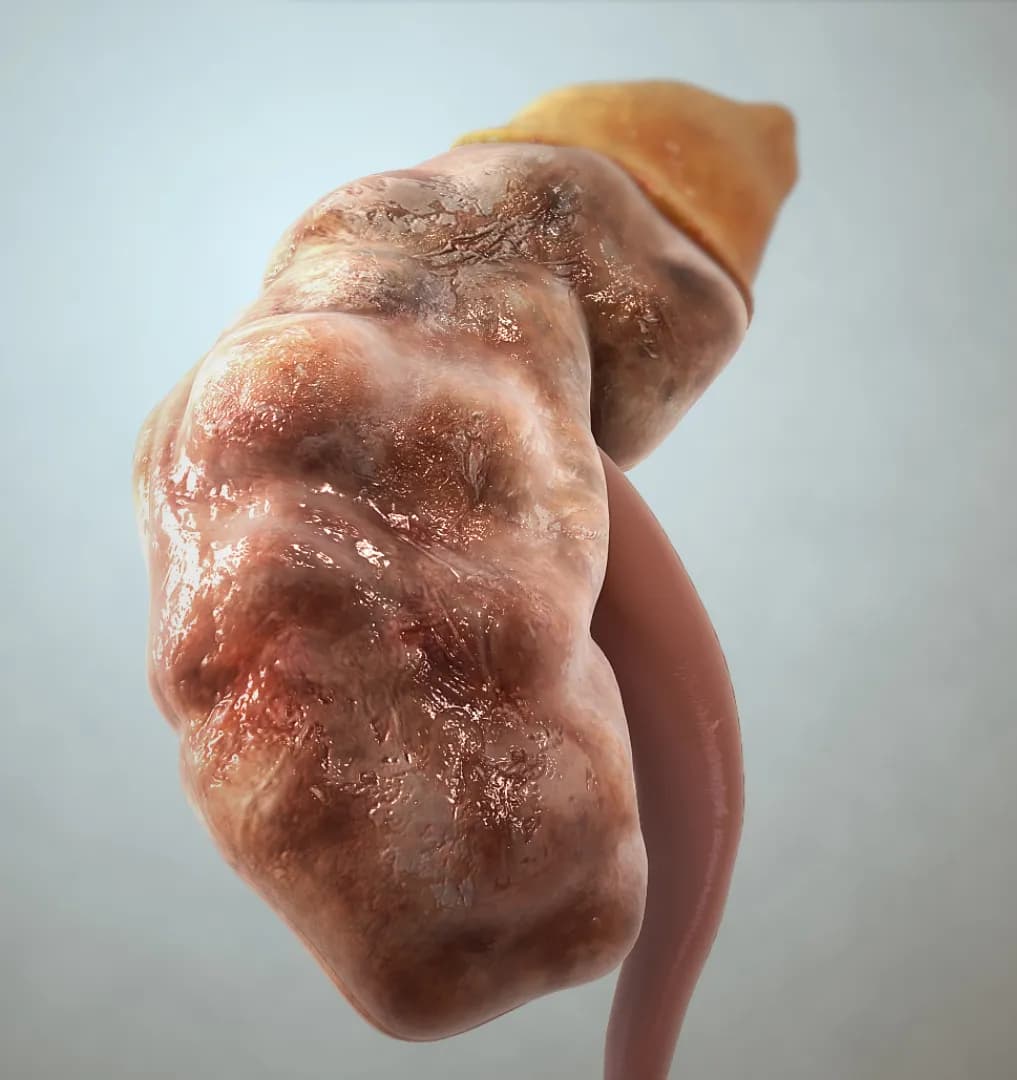
A clinical guide to recognising chronic kidney disease early, understanding when a transplant becomes necessary, and navigating kidney care in Jaipur.
By the Nephrology Team at Apex Hospitals · Published July 2025
Your kidneys filter roughly 200 litres of blood every single day, removing waste, balancing electrolytes, and regulating blood pressure. When they begin to fail — whether gradually over years or suddenly in days — the consequences touch nearly every organ system in the body. Yet kidney disease is often called a "silent" illness because its earliest symptoms are easy to dismiss as fatigue, ageing, or stress.
This article walks through the full spectrum of kidney failure symptoms, explains how nephrologists stage and manage the disease, and outlines what kidney transplant evaluation looks like for patients in Jaipur and across Rajasthan. Whether you are newly diagnosed with chronic kidney disease (CKD) or supporting a family member approaching end-stage renal disease, this guide is written to give you clear, actionable information.
Kidney failure — medically termed renal failure — occurs when the kidneys lose enough function that they can no longer maintain the body's internal balance without medical support. Clinicians distinguish two broad patterns:
Acute Kidney Injury (AKI): A rapid, often reversible decline in kidney function triggered by severe infection, dehydration, certain medications, or a sudden drop in blood flow to the kidneys. AKI can develop within hours to days and frequently requires intensive care support.
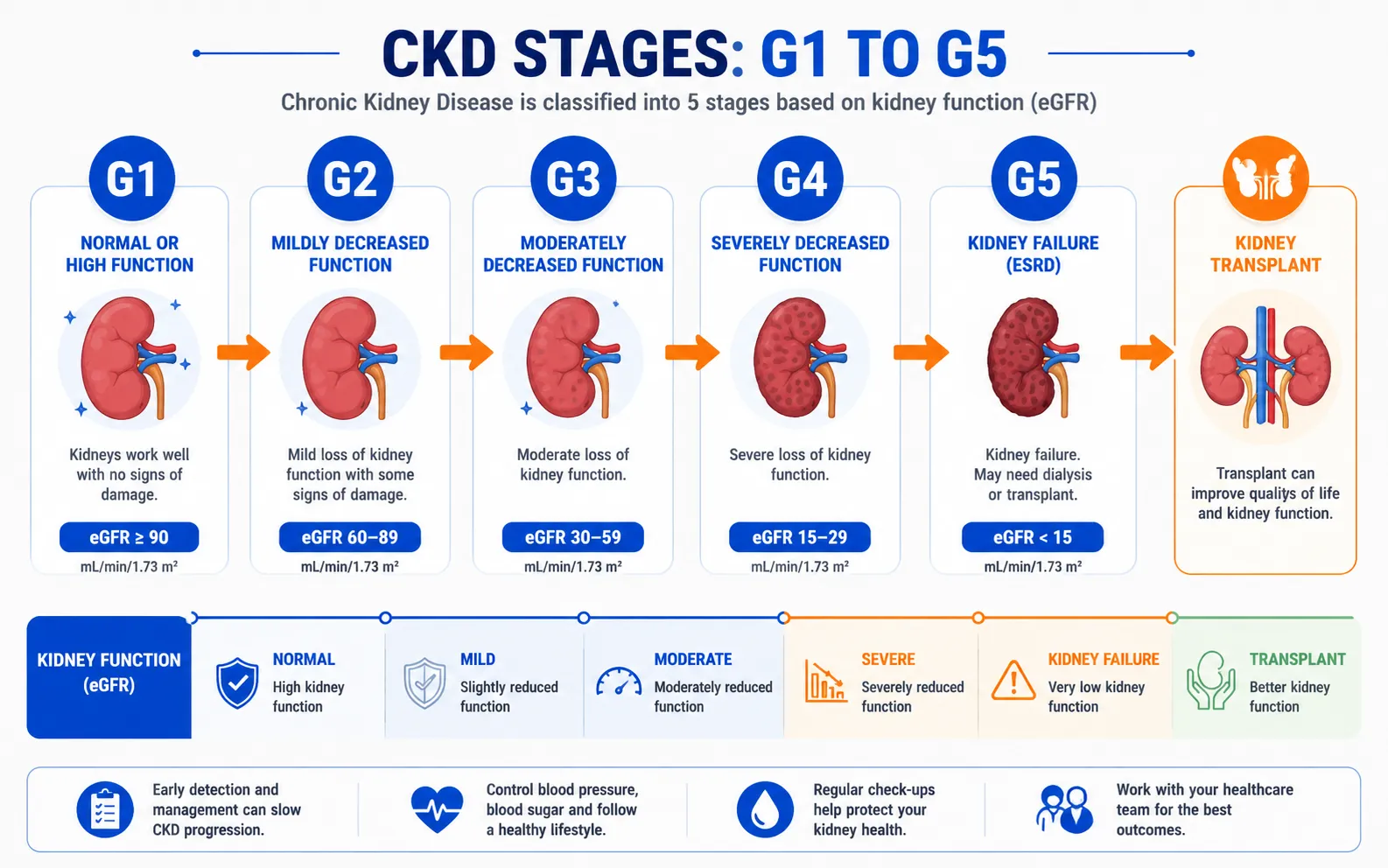
Chronic Kidney Disease (CKD): A slow, progressive loss of kidney function over months or years, most commonly caused by uncontrolled diabetes, long-standing hypertension, or glomerular diseases. CKD is staged from G1 (mildly reduced function) to G5 (kidney failure requiring dialysis or transplant).
India carries one of the world's largest burdens of CKD. Epidemiological studies estimate that approximately 17% of the Indian adult population has some degree of reduced kidney function, with diabetes and hypertension accounting for the majority of cases. In Rajasthan, where heat-related dehydration and high rates of undiagnosed diabetes are prevalent, early detection is especially important.
The kidneys have remarkable reserve capacity — symptoms often do not appear until 60–70% of function is already lost. Knowing the subtle early signs can make the difference between catching CKD at a manageable stage and arriving at the emergency department in crisis.
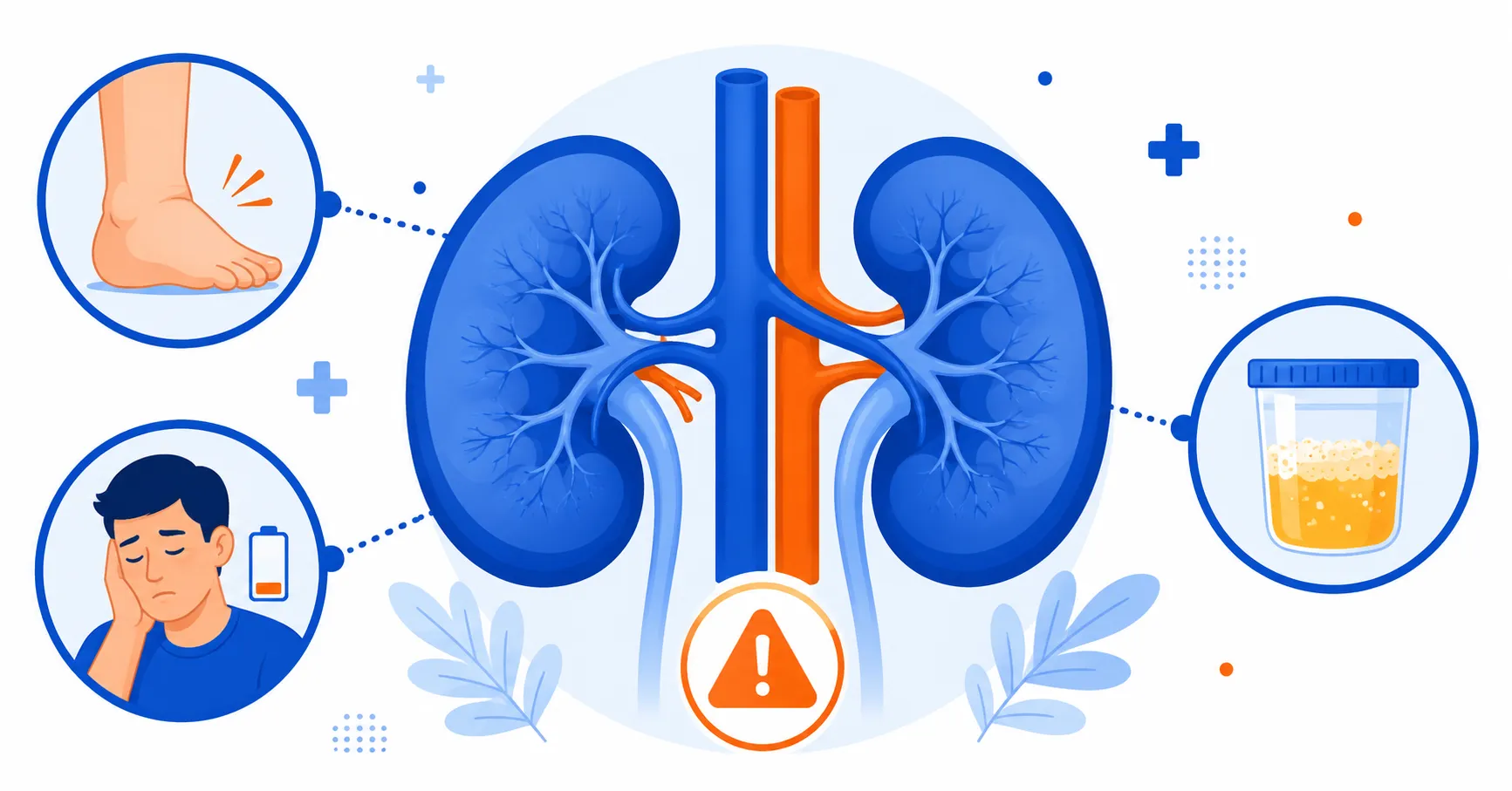
Increased frequency — particularly at night (nocturia) — is often the first clue. Some patients notice foamy or bubbly urine, which indicates protein leaking through damaged filters. Others experience decreased urine output or dark, tea-coloured urine. Any persistent change in urine appearance or frequency warrants a kidney function test. Recurrent urinary tract infections can also signal underlying renal vulnerability.
Failing kidneys retain sodium and water, causing fluid to accumulate in the ankles, feet, hands, and around the eyes. Puffiness around the eyes in the morning — especially in younger patients — is a classic early sign of nephrotic syndrome, a glomerular disease that can precede CKD.
Healthy kidneys produce erythropoietin, a hormone that signals the bone marrow to make red blood cells. As kidney function declines, erythropoietin production falls, leading to anaemia. The resulting oxygen deficit causes profound fatigue, difficulty concentrating, and reduced exercise tolerance — symptoms that are often attributed to stress or overwork.
The kidneys regulate blood pressure through the renin-angiotensin-aldosterone system. Damaged kidneys both cause and are worsened by hypertension — a vicious cycle. If your blood pressure remains elevated despite two or more medications, a nephrologist should evaluate your kidney function. Hypertension-related renal disease is one of the leading causes of end-stage kidney failure in India.
As waste products (urea, creatinine) accumulate in the blood — a condition called uraemia — patients often experience nausea, vomiting, and a persistent metallic or ammonia-like taste in the mouth. Appetite loss and unintentional weight loss follow, contributing to the malnutrition that complicates advanced CKD.
Phosphate and other minerals that healthy kidneys excrete begin to accumulate in the bloodstream, depositing in the skin and causing intense, generalised itching (uraemic pruritus). This symptom is particularly distressing and often signals that CKD has reached an advanced stage.
Fluid retention can cause pulmonary oedema — fluid in the lungs — leading to breathlessness, especially when lying flat. Anaemia also reduces the blood's oxygen-carrying capacity, compounding breathlessness. In patients with heart failure, the combination of cardiac and renal dysfunction (cardiorenal syndrome) can be life-threatening.
Electrolyte imbalances — particularly low calcium and high phosphate — cause painful muscle cramps, especially at night. Over time, the mineral imbalance weakens bones (renal osteodystrophy), increasing fracture risk. Patients with gout should be aware that uric acid accumulation is also linked to kidney injury.
Uraemic toxins affect brain function, causing difficulty concentrating, memory lapses, and in severe cases, uraemic encephalopathy with confusion or seizures. This is a medical emergency requiring immediate intervention.
Symptoms alone cannot stage kidney disease — laboratory and imaging tests are essential. The core investigations a nephrologist will order include:
Serum Creatinine and eGFR: Estimated Glomerular Filtration Rate (eGFR) is the gold-standard measure of kidney function. An eGFR below 60 mL/min/1.73m² for more than three months confirms CKD; below 15 indicates kidney failure.
Urine Albumin-to-Creatinine Ratio (UACR): Detects protein leakage, an early marker of glomerular damage.
Renal Biomarker Panel: Includes blood urea nitrogen (BUN), electrolytes (sodium, potassium, bicarbonate), phosphate, and parathyroid hormone to assess metabolic complications.
Kidney Ultrasound: Evaluates kidney size, echogenicity, and structural abnormalities such as kidney stones or cysts.
Kidney Biopsy: Performed when glomerular disease is suspected to guide specific treatment.
At Apex Hospitals Malviya Nagar in Jaipur, the nephrology team uses dedicated laboratory infrastructure for renal biomarker testing alongside diagnostic imaging systems, enabling same-day results for most investigations and rapid treatment planning.
Not every patient with CKD will need dialysis or a transplant. The goal of nephrology care at stages G1–G3 is to slow progression through:
Tight blood pressure control (target below 130/80 mmHg in most CKD patients)
Blood sugar management in diabetic nephropathy
ACE inhibitors or ARBs to reduce proteinuria
Dietary modifications — reduced sodium, controlled protein, low phosphate
Anaemia management with erythropoiesis-stimulating agents and iron supplementation
When eGFR falls below 15 (CKD G5), the kidneys can no longer sustain life without renal replacement therapy. At this point, patients and their families face a critical decision: haemodialysis, peritoneal dialysis, or kidney transplantation.
Apex Hospitals offers all three pathways under one roof, with advanced haemodialysis machines for outpatient sessions, CRRT machines for critically ill ICU patients with acute kidney injury, and a structured pre-transplant evaluation programme. Explore our full range of medical specialities to understand how nephrology integrates with cardiology, diabetology, and urology in our care model.
A kidney transplant offers the best long-term outcomes for eligible patients with end-stage renal disease — better quality of life, fewer dietary restrictions, and significantly improved survival compared to long-term dialysis. For patients in Jaipur and Rajasthan, having access to a transplant-capable centre locally removes the burden of travelling to Delhi or Mumbai for evaluation and surgery.
Most patients with CKD G5 who are medically stable are potential transplant candidates. Evaluation assesses cardiovascular fitness, absence of active infection or malignancy, and psychosocial readiness. Age alone is not a disqualifier — many patients in their 60s and 70s undergo successful transplants.
In India, the majority of kidney transplants use a living donor — typically a close relative. Living-donor transplants offer shorter waiting times, better graft survival rates, and the ability to schedule surgery electively. Deceased-donor (cadaveric) transplants are coordinated through state organ-sharing networks under the NOTTO framework. Both pathways require thorough donor and recipient evaluation, tissue typing, and cross-matching.
Pre-transplant workup typically spans several weeks and includes cardiac stress testing, pulmonary function assessment, dental clearance, cancer screening, and detailed immunological profiling. The nephrology team at Apex Hospitals coordinates this multi-disciplinary evaluation, liaising with our cardiology, urology, and transplant surgery colleagues to ensure no step is missed.
A successful transplant is only the beginning. Recipients require lifelong immunosuppressive therapy to prevent rejection, along with regular monitoring of graft function, blood pressure, and medication levels. Infections and certain malignancies are more common in immunosuppressed patients, making close follow-up essential. Our nephrology team provides structured post-transplant management, including renal biomarker surveillance and integrated care with our infectious disease and oncology colleagues.
Nephrology has seen meaningful therapeutic advances in recent years that are now available to patients in Jaipur:
SGLT2 Inhibitors: Originally developed as diabetes medications, drugs like empagliflozin and dapagliflozin have demonstrated significant kidney-protective effects in large clinical trials, slowing CKD progression independent of blood sugar control.
Finerenone: A non-steroidal mineralocorticoid receptor antagonist approved for diabetic kidney disease, shown to reduce both kidney and cardiovascular events.
High-Volume Haemodiafiltration (HDF): An enhanced form of dialysis that removes larger uraemic toxins more effectively than standard haemodialysis, associated with improved survival in some studies.
Continuous Renal Replacement Therapy (CRRT): For critically ill patients in the ICU, CRRT machines provide gentle, continuous blood purification that haemodynamically unstable patients tolerate far better than intermittent haemodialysis.
Staying current with these advances is part of the commitment at Apex Hospitals, where the nephrology team participates in ongoing clinical education and integrates evidence-based protocols into routine care.
Kidney failure rarely exists in isolation. Understanding its connections to other diseases helps patients and families see why multi-disciplinary care matters:
Diabetes: Diabetic nephropathy is the single leading cause of CKD worldwide. Tight glycaemic control, combined with the newer kidney-protective agents, can significantly delay progression.
Hypertension: Both a cause and a consequence of CKD. Blood pressure management is the cornerstone of slowing kidney disease at every stage.
Heart Disease: Coronary artery disease and CKD share common risk factors and worsen each other. Cardiovascular events are the leading cause of death in dialysis patients.
Liver Disease: Hepatorenal syndrome — kidney failure triggered by severe liver cirrhosis — is a recognised and serious complication requiring specialist management.
Prostate Enlargement: Untreated prostate enlargement can obstruct urine flow and cause obstructive nephropathy, a preventable cause of kidney damage in older men.
Acute kidney injury is often reversible if the underlying cause is treated promptly. Chronic kidney disease, however, is generally not reversible — the goal is to slow progression and manage complications. This is why early detection through routine blood and urine tests is so important, particularly for people with diabetes or hypertension.
Ideally, patients should be referred to a nephrologist at CKD stage G3 (eGFR 30–59) or earlier if there is significant proteinuria, rapidly declining eGFR, or poorly controlled blood pressure. Early nephrology involvement is associated with better outcomes and lower rates of emergency dialysis starts.
The median survival of a living-donor kidney transplant is approximately 15–20 years, though many grafts function for longer with good adherence to immunosuppression and regular follow-up. A deceased-donor graft typically has a median survival of 10–15 years. After graft failure, patients can return to dialysis or be re-listed for a second transplant.
Yes. Jaipur has transplant-capable centres including Apex Hospitals Malviya Nagar, which offers end-to-end kidney care from diagnosis through dialysis to pre- and post-transplant management. Patients no longer need to travel to metropolitan cities for evaluation. You can contact us to schedule a nephrology consultation.
Continuous Renal Replacement Therapy (CRRT) is a specialised form of dialysis used in the ICU for patients who are too haemodynamically unstable for standard intermittent haemodialysis. It works slowly and continuously over 24 hours, making it gentler on the cardiovascular system. Apex Hospitals is equipped with dedicated CRRT machines for critically ill patients with acute kidney injury.
Dietary advice varies by CKD stage and individual lab values, but common recommendations include limiting sodium (to control blood pressure and fluid retention), restricting potassium-rich foods (bananas, oranges, potatoes) if blood potassium is elevated, reducing phosphate-containing foods (dairy, cola drinks, processed foods), and moderating protein intake in advanced CKD. A renal dietitian working alongside your nephrologist can create a personalised plan.
Go to the emergency department or call 098290 30011 immediately if you or a family member experiences:
Sudden, severe reduction in urine output
Extreme breathlessness or chest pain alongside swelling
Confusion, seizures, or loss of consciousness
Severe vomiting preventing oral medications
Dangerously high blood pressure (above 180/120 mmHg)
These may indicate acute kidney injury, severe uraemia, or dangerous electrolyte imbalances — all of which require urgent hospital-level intervention. Read more on our health tips section for guidance on managing chronic conditions day-to-day.
Apex Hospitals Malviya Nagar (SP-4 & 6, Central Marg, Malviya Nagar, Jaipur — 302017) provides comprehensive nephrology services designed around the patient's journey from first diagnosis to long-term renal health:
End-to-end kidney care under one roof — diagnosis, dialysis, and transplant support
Advanced haemodialysis machines with integrated monitoring and safety systems
CRRT capability for ICU patients with acute kidney injury
Dedicated laboratory infrastructure for renal biomarker testing
Integrated care with cardiology, diabetology, urology, and transplant teams
Transparent, package-based dialysis pricing
Our specialist doctors and the broader multi-disciplinary team work together to ensure that every patient — whether managing early CKD or preparing for a transplant — receives coordinated, evidence-based care. Read what patients say about their experience on our reviews page.
A simple blood and urine test can reveal whether your kidneys need attention — speak to a nephrologist at Apex Hospitals Jaipur today.