
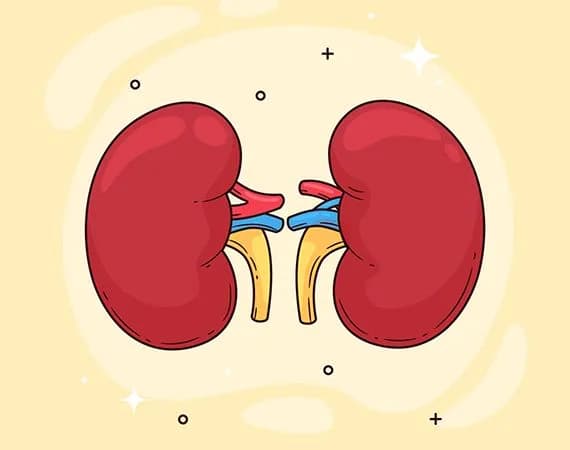
Chronic kidney disease (CKD), also known as chronic kidney failure, is a progressive condition in which the kidneys gradually lose their ability to function effectively. The kidneys are vital in filtering waste, toxins, and excess fluids from the blood, which are then excreted through urine. When kidney function declines significantly, harmful levels of garbage, electrolytes, and fluids can accumulate in the body, posing serious health risks.
In the early stages of CKD, symptoms may be mild or unnoticeable, making it difficult for individuals to detect the condition until it has advanced. CKD occurs when the kidneys become damaged and cannot perform their essential functions properly. Besides waste filtration, the kidneys contribute to bone health and the production of red blood cells. As kidney function deteriorates, waste products build up in the bloodstream, leading to further health complications.
CKD progresses over time, often worsening without proper management. If left untreated, it can lead to kidney failure, also known as end-stage kidney disease (ESKD), where dialysis or a kidney transplant becomes necessary for survival. While there is no cure for CKD, early intervention, lifestyle modifications, and medical treatments can help slow its progression and manage symptoms effectively.
Chronic kidney disease (CKD) develops when a condition or illness gradually impairs kidney function, leading to worsening kidney damage over several months or years. This progressive decline reduces the kidneys' ability to effectively filter waste and excess blood fluids.
Several diseases and health conditions can contribute to the development of CKD, including:
Symptoms of chronic kidney disease (CKD) often develop gradually as kidney damage progresses over time. The declining kidney function can lead to fluid retention, waste buildup, and imbalances in electrolytes, which may cause the following symptoms:
CKD symptoms can be nonspecific, often resembling other health conditions, making diagnosis challenging. Since the kidneys can compensate for reduced function in the early stages, noticeable symptoms may not appear until significant and irreversible damage has occurred. Early detection through regular health screenings is essential for managing CKD effectively.
Schedule a visit with our healthcare provider if you experience any signs or symptoms of kidney disease. Early diagnosis can be crucial in slowing the progression of kidney damage and preventing kidney failure.
If you have a health condition that heightens your risk of kidney disease, such as diabetes or high blood pressure, your doctor may recommend regular monitoring of kidney function. This often involves blood pressure checks and urine and blood tests during routine appointments. Consult your doctor to determine whether these tests are necessary for your health management.

Download Our App


Powered By Docfyn