

Radiation therapy is one of the most powerful, precise, and commonly used treatments for cancer. At Apex Hospitals, our radiation oncology services span multiple locations across Rajasthan — including Jaipur, Bikaner, Udaipur, Jhunjhunu, Sri Ganganagar and Sawai Madhopur — providing comprehensive cancer care Rajasthan patients can rely on. This guide demystifies how radiation works, explains the different techniques available at our centres, describes the patient journey from diagnosis to survivorship, and highlights how our multidisciplinary teams coordinate care.
Whether you are seeking the best cancer hospital Rajasthan or searching for “radiation oncology in Rajasthan,” this article is written to help patients and families make informed decisions. Our team combines advanced radiotherapy systems, robust diagnostics, and integrated oncology pathways to deliver personalized care across the state.
Radiation therapy uses high-energy particles or waves — typically X-rays, gamma rays, or charged particles — to damage the DNA of cancer cells, thereby stopping their ability to divide and grow. Healthy cells can also be affected, but they generally recover more effectively than cancer cells. The goal is to maximize tumor control while minimizing harm to normal tissues.
Radiation can be delivered in different ways:
Important technical concepts:
At Apex Hospitals, our radiation oncology teams include radiation oncologists, medical physicists, dosimetrists and radiation therapists who design and deliver individualized treatments. Understanding the basics of how radiation works helps patients feel less anxious and more engaged in their care.
Apex Hospitals offers a wide range of radiation therapy techniques to treat different cancers with precision and safety. Our network across Rajasthan is equipped with advanced radiotherapy systems that include intensity-modulated radiation therapy (IMRT), volumetric modulated arc therapy (VMAT), image-guided radiation therapy (IGRT), stereotactic radiosurgery (SRS) and stereotactic body radiotherapy (SBRT), and modern brachytherapy suites.
Each technique has specific advantages depending on the disease site, size and patient factors. Below is a comparison to help you understand how modalities differ and why a particular approach may be recommended for you.
| Procedure type | Benefits | Typical uses |
|---|---|---|
| IMRT (Intensity-modulated radiation therapy) | Highly conformal dose distribution, spares nearby organs | Head & neck, prostate, pelvic tumours, complex shapes |
| VMAT (Volumetric modulated arc therapy) | Faster treatment times with similar precision to IMRT | Breast, prostate, pelvic and thoracic tumours |
| IGRT (Image-guided radiation therapy) | Daily imaging ensures accurate set-up and reduces margins | All external beam treatments, especially when tumour shifts |
| SRS/SBRT | High dose per fraction, few sessions, excellent local control | Brain metastases (SRS), early lung tumours, oligometastases (SBRT) |
| Brachytherapy | High dose to tumour with minimal exposure to surrounding tissue | Cervical, endometrial, prostate, certain soft tissue tumours |
| Systemic radiopharmaceuticals | Treats disease throughout the body; useful for bone metastases, neuroendocrine tumours | Thyroid cancer (radioiodine), metastatic prostate (PSMA-lutetium) |
Our centres in Jaipur, Bikaner and Udaipur are fitted with the latest linear accelerators capable of IMRT/VMAT and image guidance, while specialized brachytherapy teams serve patients who require intracavitary or interstitial treatments. For complex cases, stereotactic treatments are available in designated centres with appropriate immobilization and imaging infrastructure.
Radiation therapy is used in curative, adjuvant, neoadjuvant and palliative settings. Its role varies by cancer type, stage, and patient health. Here are common indications across cancers frequently treated at Apex Hospitals:
Many cancers benefit from combined modality care — for example, surgery followed by adjuvant radiation or concurrent chemoradiation for locally advanced tumours. Apex Hospitals’ multidisciplinary tumour boards ensure each patient gets a tailored recommendation, drawing from medical oncology, surgical oncology, radiation oncology, pathology and radiology.
At Apex Hospitals, we emphasize a seamless, patient-centric journey. Our integrated cancer care model ensures patients receive coordinated treatment across medical, surgical, radiation and robotic oncology teams. This pathway reduces delays, improves outcomes and provides emotional support throughout treatment.
Key steps in the radiation oncology pathway:
Patients traveling from towns like Bikaner or Sawai Madhopur receive scheduling coordination to reduce time away from home. Our administrative teams assist with insurance, TPA & government scheme assistance, and help arrange convenient follow-up at the nearest Apex Hospital location.
Radiation therapy can cause side effects that depend on the treated site, total dose and the patient’s general health. Most side effects are temporary and manageable; our focus is on prevention, early detection and prompt treatment to maintain quality of life.
Common acute side effects:
Late effects and long-term risks:
Supportive care services at Apex Hospitals:
With these measures, most patients complete radiation therapy on schedule and recover well. Our goal is to ensure that side effects are treated proactively so treatment effectiveness is not compromised.
Modern cancer care is often multimodal. Radiation may be used before surgery (neoadjuvant), after surgery (adjuvant), concurrently with chemotherapy, or combined with systemic targeted or immune therapies. Choosing the right combination requires careful balance: maximizing cancer control while avoiding excessive toxicity.
Below is a comparison to illustrate typical benefits and considerations when combining modalities:
| Treatment approach | Benefits | Considerations/side effects |
|---|---|---|
| Surgery alone | Immediate removal of tumour, useful for accessible lesions | Operative risks, may require reconstruction, not effective for microscopic spread |
| Radiation alone | Non-invasive, organ-sparing in many cases | May require multiple visits; side effects depend on site |
| Chemo + radiation (concurrent) | Improves control for certain cancers (e.g., head & neck, cervical) | Higher acute toxicity (mucositis, hematologic effects) |
| Radiation + targeted therapy/immunotherapy | Potentially synergistic; may enhance immune-mediated tumour kill | Requires careful monitoring for overlapping toxicities |
At Apex Hospitals, our tumour boards evaluate whether combining modalities is appropriate. For example:
For patients interested in advanced options such as immunotherapy for cancer Rajasthan, targeted cancer therapy Rajasthan, or bone marrow transplant in Rajasthan, our medical oncology and hematology teams work seamlessly with radiation oncology to create safe, evidence-based plans. Insurance, TPA & government scheme assistance is available to help navigate financing and approvals.
Patients seeking the best cancer hospital Jaipur or the top cancer hospital Rajasthan need transparent information about outcomes and quality of care. Apex Hospitals focuses on measurable quality pillars: accurate staging, evidence-based treatment selection, advanced technology, tight safety margins, and multidisciplinary coordination.
Outcomes depend on cancer type, stage at diagnosis and biological factors. Globally, early-stage cancers treated with appropriate surgery and radiation have excellent cure rates. According to GLOBOCAN data, there were an estimated 19.3 million new cancer cases and nearly 10 million cancer deaths worldwide in 2020; timely, high-quality care improves survival and quality of life.
Why patients choose Apex Hospitals:
In Rajasthan, where access to high-quality oncology care can be challenging beyond major cities, Apex Hospitals brings advanced radiotherapy and supportive services closer to patients in Jaipur, Bikaner, Udaipur, and surrounding districts. Patients often report satisfaction with clear communication, shorter waiting times and compassionate care from our trained teams.
Questions about cancer treatment cost in Rajasthan are common. Costs vary by cancer type, stage, chosen treatment modalities (surgery, chemotherapy, radiation, or combinations), number of cycles/sessions and use of advanced therapies such as robotic surgery or targeted drugs. At Apex Hospitals we provide transparent pricing estimates tailored to the individualized treatment plan.
Key financial considerations:
Insurance and financial support:
For exact pricing such as cost of chemotherapy in Jaipur, cost of radiation therapy in Jaipur or bone marrow transplant cost Jaipur, please contact the Apex Hospitals financial counseling team at your nearest centre or during your initial appointment. We strive to make advanced cancer treatment accessible and cost-competitive compared with metro cancer centres.
Preparation, clear expectations and open communication help patients navigate radiation therapy with confidence. Below are practical tips and answers to common questions patients ask when starting treatment at Apex Hospitals in Jaipur, Bikaner or Udaipur.
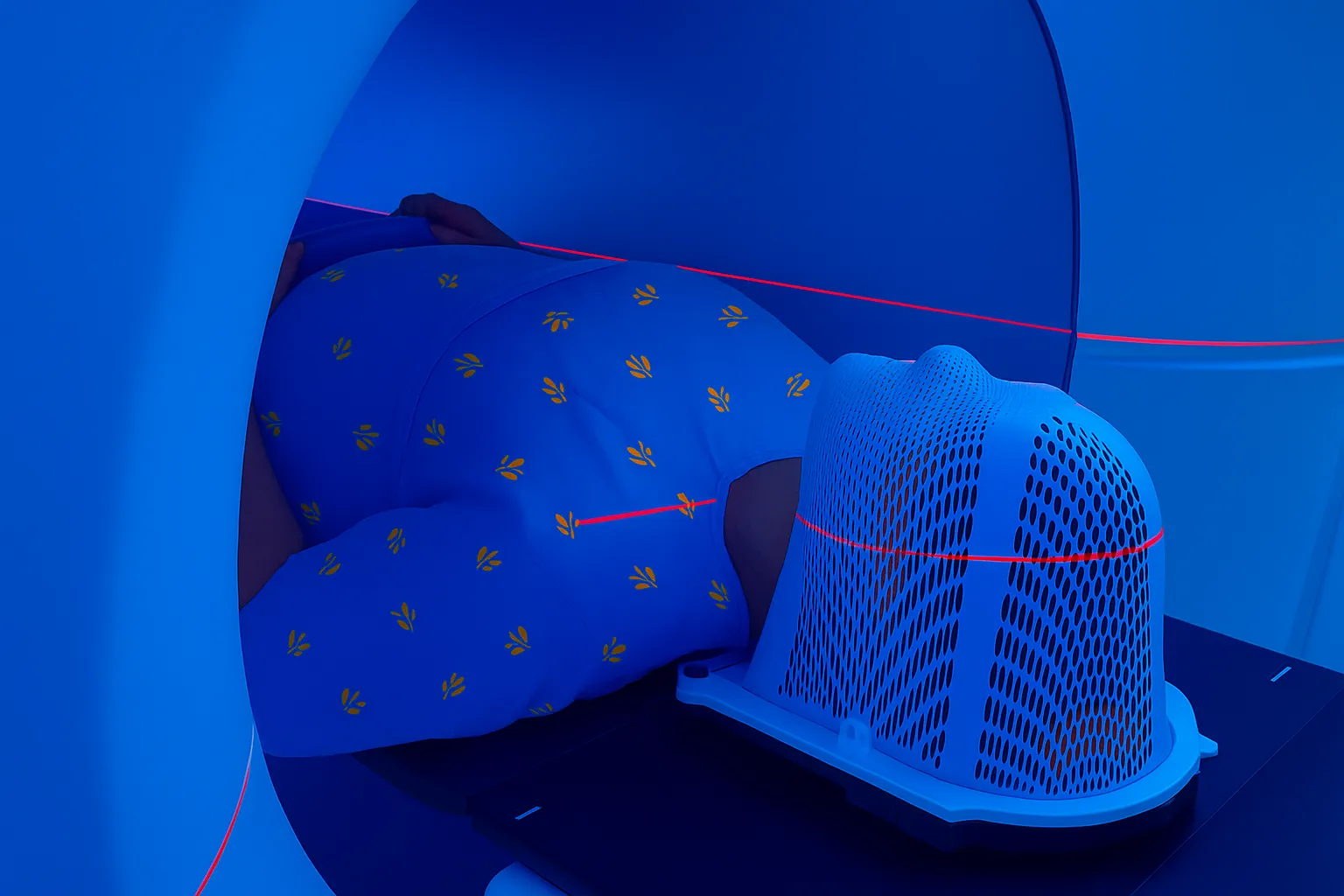
Practical preparation tips:
No. External beam radiation does not make you radioactive. Some systemic radiopharmaceuticals or certain brachytherapy procedures may require short radiation safety precautions — your team will explain and provide guidance.
Many sessions last 10–30 minutes at the machine; initial simulation and planning visits take longer.
Many patients continue part-time work depending on side effects and treatment schedule. Discuss your job demands with your radiation oncologist.
Tumour response varies; some patients notice symptomatic relief within days to weeks while radiological responses are evaluated over months.
If you are searching “cancer care near me Jaipur” or “oncology specialists in Rajasthan,” Apex Hospitals’ multidisciplinary teams are available to answer questions and organize rapid diagnostic and treatment pathways. We conduct pre-treatment counselling to ensure informed consent and set realistic goals for treatment outcomes.
Cancer care extends beyond the active treatment period. At Apex Hospitals we emphasize survivorship — helping patients transition from treatment to life after therapy with ongoing surveillance, rehabilitation and psychosocial support. Survivorship care improves long-term outcomes and helps manage late effects.
Core survivorship services include:
Our survivorship clinics coordinate care across Apex Hospital locations, allowing patients to follow up at the most convenient centre — whether in Jaipur, Udaipur, or another city in Rajasthan. We also provide survivorship booklets and personalized care plans, which include warning signs to watch for and resources for returning to work or school.
If you or a loved one are considering radiation oncology services, here are practical steps to begin your journey at Apex Hospitals:
Apex Hospitals provides patient-centric counselling and multidisciplinary coordination so you receive timely, evidence-based care. For families traveling from smaller towns, our coordinators can assist with appointment clustering to reduce trips and provide information about local lodging options. We also offer second opinions and referrals for advanced options like robotic-assisted surgery or bone marrow transplant when indicated.
Radiation therapy is a cornerstone of modern cancer treatment. When delivered with precision, multidisciplinary planning and compassionate care, it offers powerful potential for cure, control and symptom relief. Apex Hospitals’ radiation oncology services across Rajasthan — backed by advanced technology, experienced teams and integrated cancer care pathways — are designed to give patients the best possible outcomes with dignity and support.
If you are seeking the best oncology hospital in Rajasthan or need specialized services such as pediatric oncology Jaipur, breast cancer treatment Jaipur, or prostate cancer treatment Jaipur, our clinicians in Jaipur, Bikaner, Udaipur and other locations are ready to help. We encourage patients to ask questions, bring a family member to consultations, and utilize our supportive services to navigate the treatment journey.
For appointments and more information about radiation oncology at Apex Hospitals, please visit your nearest Apex centre or contact our appointment desk through the website (details available on the hospital site). Our teams provide insurance, TPA & government scheme assistance, transparent pricing estimates and personalized treatment packages tailored to clinical needs and financial considerations.
This article was written by Dr. Sonu Goyal MBBS , MD - Radiotherapy , sharing insights based on professional experience in the field.