
By Apex Hospitals 23rd April, 2026
For most of her life, the 34-year-old patient had been living with a heart condition she was born with, a hole in the wall between the upper chambers of her heart. Known as an Ostium Secundum Atrial Septal Defect (osASD), this is one of the most common congenital heart defects. Left untreated over time, it can lead to enlargement of the right side of the heart, pulmonary hypertension, and eventually, heart failure.
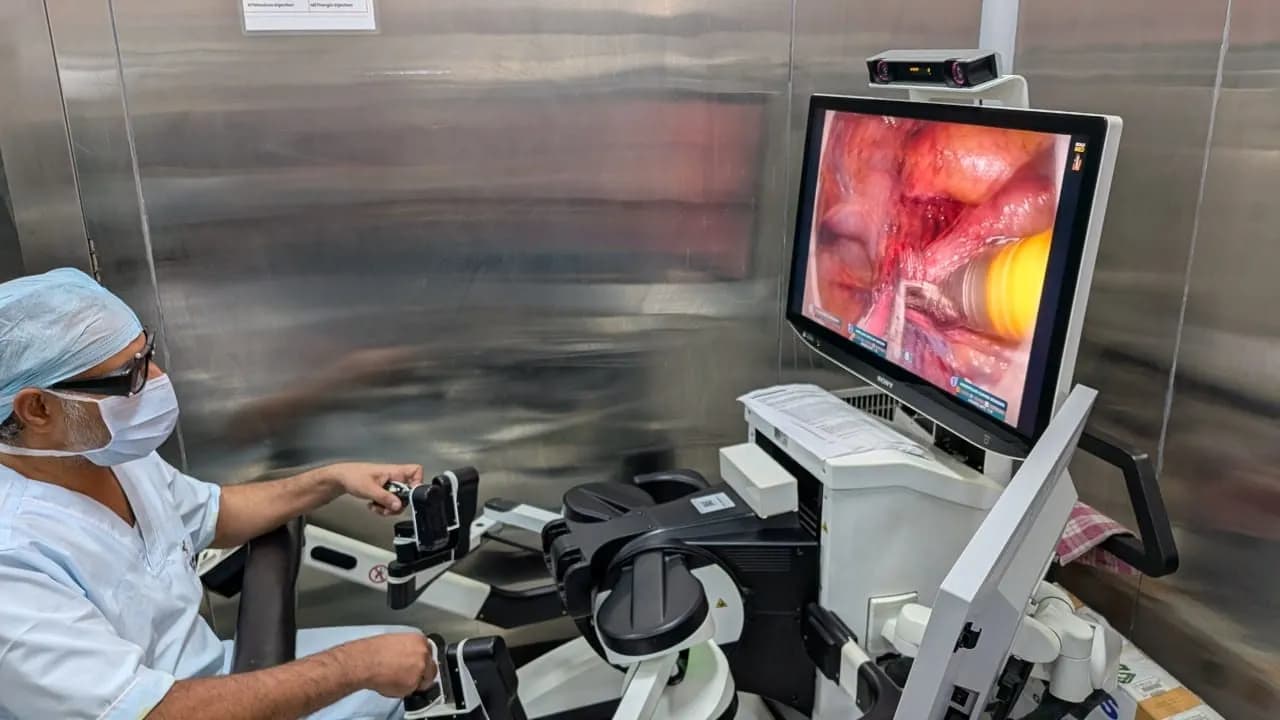
At Apex Hospitals, Malviya Nagar, Jaipur, Dr. Rahul Kumar Bhukar, Consultant – Cardiothoracic and Vascular Surgery (CTVS), performed the hospital's first-ever robotic cardiac procedure, repairing the defect through small keyhole incisions, without dividing the sternum, without a large scar, and with a recovery that was a fraction of what conventional open-heart surgery which requires sternotomy would have needed.
This procedure marks not just a clinical milestone for one patient, but the beginning of a robotic cardiac surgery program at Apex Hospitals, bringing a level of cardiac care to Jaipur that was previously available only in select centers across India's largest cities.
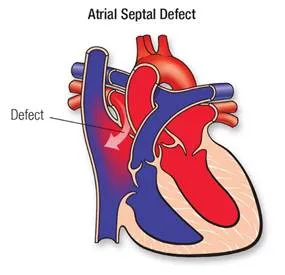
The heart has four chambers. The two upper chambers, the right atrium and the left atrium, are separated by a wall called the atrial septum. In a healthy heart, this wall is intact and the two sides function independently.
In Ostium Secundum ASD, there is an opening in the central part of this wall. This is the most common type of ASD, accounting for the majority of all atrial septal defects. Through this opening, blood flows from the left atrium into the right atrium, a direction it should not travel.
Over time, this abnormal blood flow forces the right side of the heart to work harder than it should. The consequences, if the defect goes unrepaired, can include:
• Enlargement of the right atrium and right ventricle
• Reduced lung function due to excess blood flow to the lungs
• Pulmonary arterial hypertension — raised blood pressure in the lung arteries
• Irregular heart rhythms, including atrial fibrillation
• Increased risk of stroke
• Progressive heart failure in later life
Many patients with small ASDs have no symptoms for years. Larger defects, however, produce symptoms such as breathlessness, fatigue, reduced exercise tolerance, and frequent respiratory infections. At 34, surgery was the right step, and the timing was clinically appropriate.
Source: American Heart Association
ASD repair has traditionally been performed through conventional open-heart surgery which requires sternotomy, a procedure involving a large incision down the centre of the chest, division of the sternum, and connection to a heart-lung bypass machine. It is effective, but it comes with significant physical demands on the patient.
Recovery from open-heart surgery typically takes 6 to 8 weeks. The patient experiences considerable post-operative pain, requires a prolonged hospital stay, and carries a visible, permanent scar down the centre of the chest. The risk of infection, bleeding, and complications related to the sternotomy itself are also part of the picture.
For a 34-year-old woman in the working years of her life, these are not trivial considerations. Robotic surgery offered a fundamentally better option, the same clinical result, with a fraction of the physical cost.
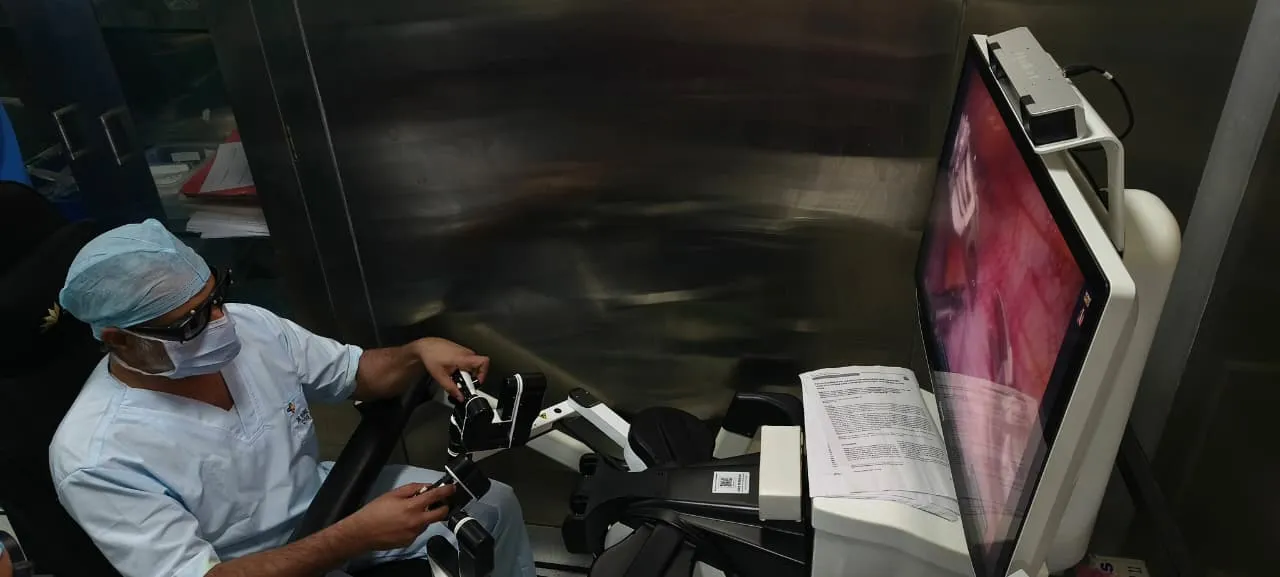
Robotic-assisted cardiac surgery uses a sophisticated surgical system, SSI Mantra, which is India’s first Make-in-India robotic system, operated entirely by the surgeon, that allows the procedure to be performed through small incisions, typically less than 1 cm each, in the side of the chest.
The robotic system provides the surgeon with a magnified, three-dimensional view of the surgical field and translates hand movements into precise, controlled actions by robotic instruments inside the chest. The system also filters out natural hand tremors, allowing a level of precision that is difficult to achieve by hand alone.
Dr. Rahul Kumar Bhukar performed the ASD repair through this approach, accessing the heart, visualising the defect clearly, and closing the opening precisely, without any large incision, without opening the breastbone, and with the patient connected to bypass through peripheral vessels rather than central cannulation.
The entire procedure was performed through keyhole ports in the chest wall. No sternum was divided. No large incision was made.
Compared to conventional open-heart surgery, the patient's recovery trajectory was markedly different:
• Significantly less post-operative pain, no sternotomy wound to heal
• Shorter hospital stays
• Lower risk of infection and blood loss
• No large central scar — only small port sites on the side of the chest
• Faster return to normal activity and work
For a 34-year-old, this is not a minor quality-of-life consideration. It is the difference between weeks of incapacity and a return to normal life within days.
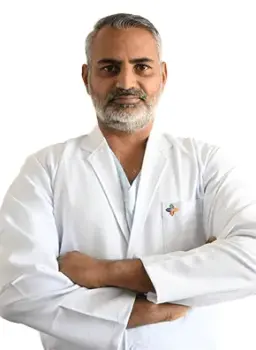
Dr. Rahul Kumar Bhukar is a Consultant in Cardiothoracic and Vascular Surgery at Apex Hospitals, Malviya Nagar, Jaipur. He specialises in the surgical management of cardiac, thoracic, and vascular conditions, including complex congenital heart defects, valve repairs and replacements, coronary artery bypass grafting, and thoracic procedures.
Performing robotic cardiac surgery requires not only access to the technology but dedicated training in robotic surgical techniques and a thorough understanding of how to adapt established cardiac procedures to the robotic platform. Dr. Bhukar's successful completion of this first procedure reflects both his technical preparation and his commitment to offering patients in Rajasthan access to the most advanced surgical options available.
This first robotic cardiac case at Apex Hospitals is the foundation of a structured robotic cardiac surgery program, with the clinical protocols, trained team, and infrastructure to support it going forward.
Robotic cardiac surgery has been available in India for over a decade, but primarily at a small number of centres in Delhi, Mumbai, Chennai, and Hyderabad. For patients in Rajasthan requiring minimally invasive cardiac procedures, the options have been limited: travel to another city, or undergo conventional open-heart surgery locally.
The establishment of a robotic cardiac program at Apex Hospitals, Malviya Nagar changes that. Patients across Jaipur and Rajasthan now have access to robotic cardiac surgery at a centre they can reach without the physical and financial burden of travelling to a metro city.
As this program develops, a wider range of cardiac procedures will become available through the robotic platform, including valve repairs, coronary interventions, and other congenital heart defect repairs.
If you or a family member has been diagnosed with a congenital heart defect, valvular heart disease, or any other cardiac condition requiring surgical evaluation, our CTVS and cardiac team at Apex Hospitals, Malviya Nagar is available for consultation.
Understanding your options, including whether a robotic or minimally invasive approach is appropriate, begins with a conversation with a specialist. We encourage you to come in, ask questions, and make an informed decision about your care.
Medically reviewed by:
Consultant – Cardiothoracic & Vascular Surgery
MBBS, DNB - Cardiothoracic Surgery
Yes. Robotic cardiac surgery is performed by a fully trained cardiac surgeon using India’s first Make-in-India robotic system. The surgeon has complete control throughout the procedure. Clinical evidence supports its safety and efficacy for a range of cardiac conditions including ASD repair, valve surgery, and bypass grafting.
Not every patient is a candidate. Suitability depends on the specific diagnosis, the anatomy of the defect, and the patient's overall health. A detailed pre-operative evaluation by the surgical team determines the most appropriate approach for each individual.
Recovery is significantly faster than open-heart surgery. Most patients are discharged within a few days and return to light activities within 1 to 2 weeks. Full recovery depends on the individual, but the absence of a sternotomy wound makes the early recovery period considerably more comfortable.
Robotic techniques are used for mitral valve repair and replacement, ASD and other septal defect repairs, coronary artery bypass grafting in selected cases, removal of cardiac tumours, and certain thoracic procedures. The range of applicable conditions continues to expand as robotic cardiac surgery program mature.