

Is Aplastic Anemia Curable? A Complete Guide for Indian Patients
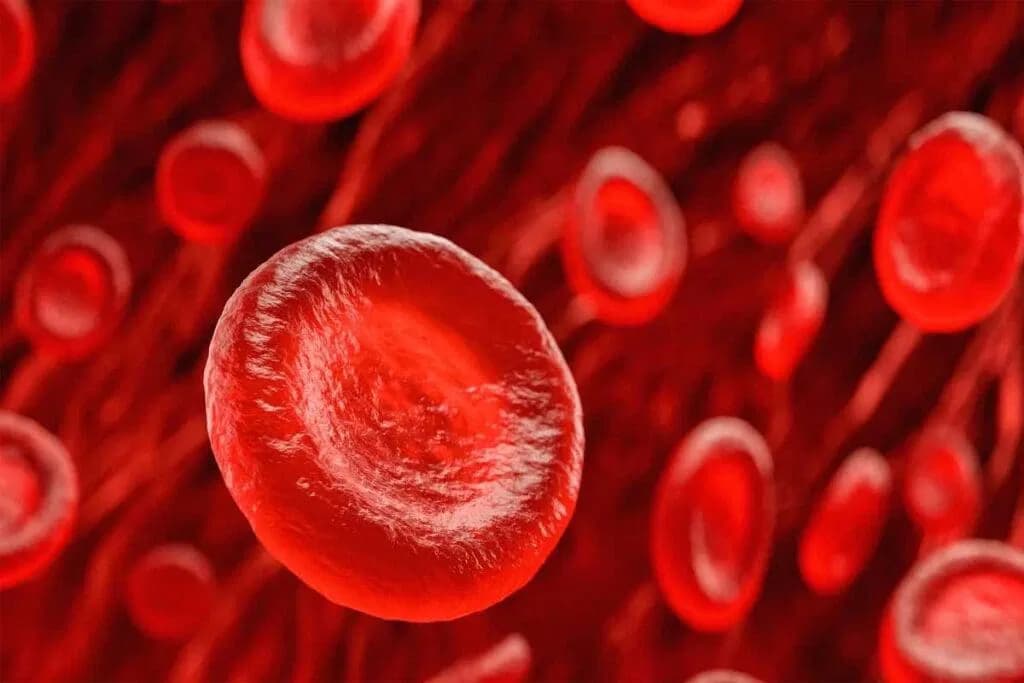
Is Aplastic Anemia Curable? A Complete Guide for Indian Patients
Understanding your diagnosis, treatment options, and realistic recovery outlook — explained clearly for patients and families across India.
A diagnosis of aplastic anemia can feel overwhelming. The name alone — combining two serious-sounding words — often leads patients and families to fear the worst. But the medical reality in 2025 is far more hopeful than it was even a decade ago. Yes, aplastic anemia can be cured — and for many patients in India, a full, lasting recovery is an achievable goal with the right treatment at the right time.
This guide answers the questions Indian patients ask most: What exactly is aplastic anemia? Can it be permanently cured? What are the treatment success rates? And where can you find expert care in India? We have written this for patients, caregivers, and anyone who has just received this diagnosis and wants honest, clinically grounded answers.
What Is Aplastic Anemia?
Aplastic anemia is a rare but serious blood disorder in which the bone marrow — the spongy tissue inside bones responsible for producing blood cells — stops making enough red blood cells, white blood cells, and platelets. The result is a condition called pancytopenia: dangerously low counts of all three blood cell types simultaneously.
Unlike iron-deficiency anemia, which is simply a shortage of iron, aplastic anemia is a failure of the bone marrow itself. It can be acquired (triggered by an autoimmune attack, viral infection, certain medications, or toxic chemical exposure) or, less commonly, inherited (as in Fanconi anemia). The acquired autoimmune form is by far the most common and is also the most treatable.
According to data published by the National Institutes of Health (NIH), aplastic anemia occurs at roughly two to three times the rate in Asia compared with Western countries, making it a particularly relevant concern for Indian patients. Estimates suggest an incidence of approximately 5–7 cases per million population per year in South Asia.
Recognising the Symptoms
Because aplastic anemia affects all three blood cell lines, its symptoms reflect the functions each cell type serves:
Low red blood cells (anaemia): Persistent fatigue, breathlessness on mild exertion, pallor, dizziness, and rapid heartbeat.
Low white blood cells (neutropenia): Frequent infections, prolonged fevers, mouth ulcers, and slow wound healing.
Low platelets (thrombocytopenia): Easy bruising, prolonged bleeding from minor cuts, nosebleeds, bleeding gums, and tiny red or purple spots on the skin (petechiae).
If you or a family member experiences a combination of these symptoms — especially unexplained fatigue alongside unusual bleeding or recurrent infections — a complete blood count (CBC) and bone marrow biopsy are the essential first diagnostic steps. Early diagnosis significantly improves treatment outcomes. The haemato-oncology team at Apex Hospitals is experienced in evaluating and confirming aplastic anemia diagnoses promptly.
How Is Aplastic Anemia Classified? (Severity Matters)
Haematologists classify aplastic anemia by severity because this directly determines which treatment is recommended:
Non-severe aplastic anemia (NSAA): Blood counts are low but not critically so. Patients may be managed with supportive care and close monitoring initially.
Severe aplastic anemia (SAA): Defined by specific blood count thresholds — typically fewer than 500 neutrophils/µL, fewer than 20,000 platelets/µL, and reticulocyte count below 60,000/µL. Requires prompt, definitive treatment.
Very severe aplastic anemia (vSAA): Neutrophil count below 200/µL. A medical emergency with high risk of life-threatening infection. Requires urgent intervention.
The distinction between SAA and vSAA is critical: patients with very severe disease who do not receive treatment within weeks face a significantly worse prognosis. This is why specialist evaluation — not watchful waiting — is the appropriate response to a new diagnosis.
Can Aplastic Anemia Be Permanently Cured?
This is the question every patient asks first — and the answer is yes, for many patients, aplastic anemia can be permanently cured. The two main curative and disease-modifying treatment pathways are:
1. Allogeneic Bone Marrow (Stem Cell) Transplant — The Definitive Cure
An allogeneic haematopoietic stem cell transplant (HSCT) — commonly called a bone marrow transplant — replaces the patient's faulty bone marrow with healthy stem cells from a matched donor. When successful, it permanently restores normal blood cell production. This is considered the only definitive cure for aplastic anemia.
The best outcomes are seen in:
Younger patients (under 40 years), who tolerate the conditioning regimen better.
Patients with a fully matched sibling donor (matched sibling donor transplant, or MSD-HSCT).
Those treated early, before multiple transfusions have sensitised the immune system.
For young patients with a matched sibling donor, long-term survival rates after bone marrow transplant exceed 80–90% at experienced centres globally, and outcomes at leading Indian transplant centres have progressively approached these benchmarks. For patients without a matched sibling, matched unrelated donor (MUD) transplants are increasingly performed with improving results.
2. Immunosuppressive Therapy (IST) — For Patients Who Cannot Undergo Transplant
Because aplastic anemia is most commonly caused by an autoimmune attack on bone marrow stem cells, suppressing that immune attack can allow the marrow to recover. The standard IST regimen combines:
Anti-thymocyte globulin (ATG) — a powerful immune-suppressing agent derived from horse or rabbit serum.
Cyclosporine — a calcineurin inhibitor that prevents T-cell activation.
Eltrombopag — a thrombopoietin receptor agonist that stimulates stem cell production; its addition to ATG + cyclosporine has significantly improved response rates in recent years.
With the modern triple combination of horse-ATG + cyclosporine + eltrombopag, overall response rates of 80–90% at 6 months have been reported in clinical trials, as documented in research published via the New England Journal of Medicine. However, IST is not a guaranteed permanent cure — approximately 30–40% of responders may relapse over time, and some develop clonal blood disorders years later. This is why transplant remains the preferred option for eligible younger patients.
Aplastic Anemia Treatment Success Rate in India
Indian patients often ask whether outcomes in India are comparable to those in the West. The honest answer is: at experienced, well-equipped centres, yes — outcomes are increasingly comparable.
Key factors that determine success rates in India include:
Time to treatment: Delays beyond 3–6 months from diagnosis significantly worsen outcomes, particularly for transplant candidates who accumulate transfusions.
Centre experience: Transplant outcomes are strongly volume-dependent. Centres performing 20+ transplants per year consistently report better results than low-volume units.
Donor availability: India's relatively low representation in international bone marrow registries means matched unrelated donors are harder to find for some patients, making matched sibling donor availability a key prognostic factor.
Supportive care quality: Infection prevention, blood product support, and management of transplant complications (graft-versus-host disease, engraftment failure) require dedicated infrastructure.
For patients receiving IST in India, published series from major Indian haematology centres report overall response rates of 60–75% with horse-ATG-based regimens — somewhat lower than Western data, partly due to later presentation and higher infection burden at diagnosis. The addition of eltrombopag to IST protocols at Indian centres is expected to improve these figures further.
Does Aplastic Anemia Come Back After Treatment?
This is a nuanced question, and the answer depends on which treatment was used:
After bone marrow transplant: Relapse of aplastic anemia itself is uncommon (under 5–10% in most series). The main long-term concerns are graft-versus-host disease (GVHD), secondary infections, and late effects of conditioning therapy — all of which require long-term follow-up.
After IST: Relapse occurs in approximately 30–40% of initial responders, typically within the first 2–3 years. Most relapses respond to a second course of IST or can be referred for transplant at that stage. A small proportion of patients develop clonal evolution (transformation to MDS or leukaemia), which is why annual bone marrow monitoring is recommended for IST-treated patients.
The key message: even if aplastic anemia returns after IST, it is not the end of the road. Salvage options exist, and many patients achieve durable remission with a second treatment course or a subsequent transplant. Staying connected with your haematologist for regular follow-up is essential.
Supportive Care: The Unsung Hero of Recovery
Whether a patient is awaiting transplant, undergoing IST, or recovering post-treatment, supportive care is what keeps them safe through the process. This includes:
Regular red blood cell and platelet transfusions to maintain safe blood counts.
Prophylactic antifungal and antibacterial medications to prevent opportunistic infections during periods of severe neutropenia.
Growth factors (G-CSF) to stimulate white blood cell production in selected cases.
Iron chelation therapy for patients who have received many transfusions and developed iron overload.
Nutritional support and physiotherapy to maintain strength and quality of life during prolonged treatment.
At Apex Hospitals, our ICU and critical care infrastructure — including a dedicated Haemato-Oncology day-care unit, on-site blood bank, and 24×7 emergency labs — ensures that supportive care is available around the clock. Our in-house physiotherapy and rehabilitation team supports patients through the physical demands of prolonged treatment.
Recent Advances in Aplastic Anemia Treatment
The last five years have seen meaningful progress in aplastic anemia management:
Eltrombopag in first-line IST: Adding eltrombopag to horse-ATG + cyclosporine has improved complete response rates from roughly 30% to over 50% at 6 months in pivotal trials, representing a genuine step forward for patients who cannot undergo transplant.
Haploidentical transplants: For patients without a matched sibling or unrelated donor, transplants using a half-matched (haploidentical) family member — typically a parent, sibling, or child — are now performed at experienced Indian centres with improving outcomes, broadening access to curative therapy.
Luspatercept and novel agents: Research into agents that stimulate erythropoiesis and reduce transfusion dependence is ongoing, with several trials recruiting in India.
Improved GVHD prophylaxis: Post-transplant cyclophosphamide (PTCy) protocols have reduced severe GVHD rates in haploidentical transplants, making this option safer and more accessible.
These advances mean that the treatment landscape for aplastic anemia in India today is substantially better than it was even five years ago. Patients who were previously considered poor transplant candidates — due to age, donor unavailability, or comorbidities — now have more options than before.
What to Expect: The Patient Journey at Apex Hospitals
At Apex Hospitals — a NABH-accredited multi-specialty group established in 1994 and operating across 8 locations in Rajasthan and beyond — patients with aplastic anemia are managed through a structured, multidisciplinary pathway:
Rapid diagnostic workup: CBC, peripheral blood smear, reticulocyte count, bone marrow aspirate and trephine biopsy, and relevant viral and autoimmune panels — all available on-site.
Multidisciplinary tumour board review: Haematologists, transfusion medicine specialists, and transplant physicians jointly determine the optimal treatment strategy.
Donor search and HLA typing: Initiated in parallel with initial treatment to avoid delays for transplant-eligible patients.
Treatment delivery: IST protocols or transplant conditioning administered in our dedicated haemato-oncology unit, with chemotherapy day-care facilities and protected isolation rooms.
Post-treatment monitoring: Structured follow-up schedule with blood count monitoring, bone marrow assessment at defined intervals, and long-term survivorship care.
Apex Hospitals is empanelled under Ayushman Bharat and major insurance and TPA schemes, which means many patients can access haematology consultations and treatment with significantly reduced out-of-pocket costs. Our internal medicine specialists work alongside haematologists to manage comorbidities and ensure holistic care throughout the treatment journey.
How Much Does Aplastic Anemia Treatment Cost in India?
Cost is a genuine concern for most Indian families. While exact figures vary by centre, disease severity, and treatment chosen, the following general ranges reflect the current landscape at reputable Indian hospitals:
Diagnostic workup (CBC, bone marrow biopsy, HLA typing): ₹15,000 – ₹40,000
Immunosuppressive therapy (horse-ATG + cyclosporine + eltrombopag, one course): ₹3,00,000 – ₹6,00,000
Allogeneic bone marrow transplant (matched sibling donor): ₹15,00,000 – ₹25,00,000
Allogeneic bone marrow transplant (matched unrelated or haploidentical donor): ₹20,00,000 – ₹35,00,000
These are indicative ranges only. Actual costs depend on hospital stay duration, transfusion requirements, infection management, and post-transplant care. Patients covered under Ayushman Bharat or corporate insurance may have a significant portion of these costs covered. We encourage families to speak with our patient services team for a personalised cost estimate and to understand insurance eligibility before treatment begins.
Frequently Asked Questions
Can aplastic anemia be permanently cured?
Yes — for eligible patients, a successful allogeneic bone marrow transplant is considered a permanent cure. Immunosuppressive therapy achieves durable remission in many patients, though relapse is possible in 30–40% of cases over time. The best outcomes are seen in younger patients treated early at experienced centres.
What is the survival rate of aplastic anemia in India?
At experienced Indian transplant centres, long-term survival rates for young patients receiving a matched sibling donor transplant are in the range of 75–85%. For patients treated with IST, 5-year overall survival is approximately 70–80% in published Indian series. Outcomes are improving as more centres adopt eltrombopag-based protocols and haploidentical transplant techniques.
Which is the best hospital for aplastic anemia treatment in India?
The best hospital is one with a dedicated haematology and bone marrow transplant programme, experienced transplant physicians, robust supportive care infrastructure, and a high volume of cases. Apex Hospitals, with its NABH accreditation, dedicated haemato-oncology unit, on-site diagnostics, and multidisciplinary care model, is a trusted choice for patients in Rajasthan and across North India.
Does aplastic anemia come back after treatment?
After a successful bone marrow transplant, relapse of aplastic anemia is uncommon (under 10%). After IST, approximately 30–40% of patients relapse, usually within the first 2–3 years. Most relapses can be treated successfully with a second IST course or transplant. Annual bone marrow monitoring is recommended for all IST-treated patients.
How long does recovery from aplastic anemia take?
Recovery timelines vary. After IST, blood count improvement typically begins within 3–6 months; full recovery may take 12–18 months. After bone marrow transplant, engraftment (the new marrow beginning to produce cells) usually occurs within 2–4 weeks, but full immune reconstitution takes 12–24 months. Most patients can return to normal daily activities within 6–12 months of a successful transplant.
Is aplastic anemia the same as leukaemia?
No. Aplastic anemia is a bone marrow failure disorder — the marrow stops producing enough cells. Leukaemia is a cancer in which abnormal blood cells multiply uncontrollably. They are distinct conditions, though a small proportion of aplastic anemia patients treated with IST may develop clonal blood disorders over time, which is why long-term monitoring is important.
References
Have Questions About Aplastic Anemia Treatment?
Our haemato-oncology specialists at Apex Hospitals are here to guide you — from diagnosis through recovery, with compassionate, evidence-based care.