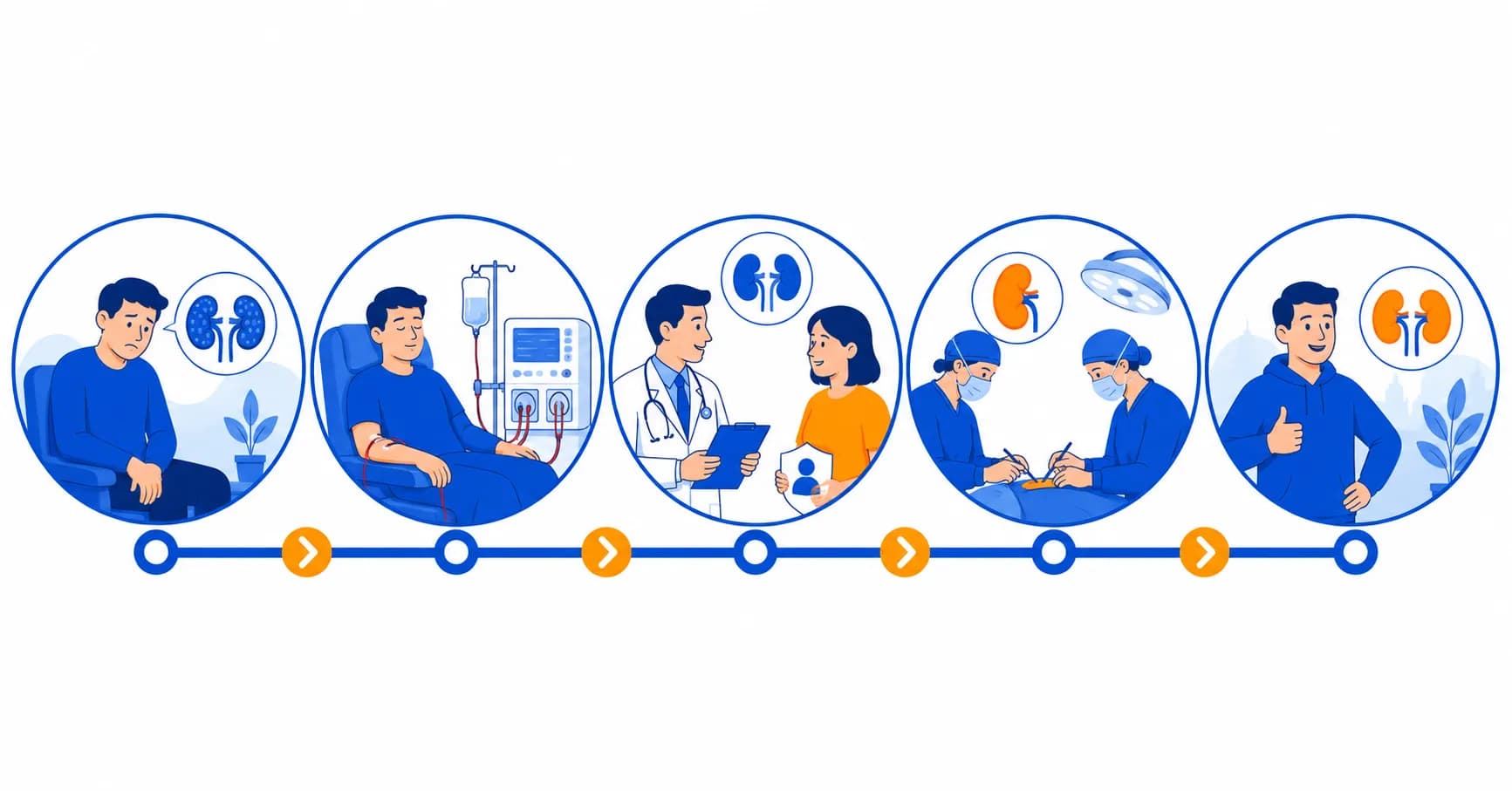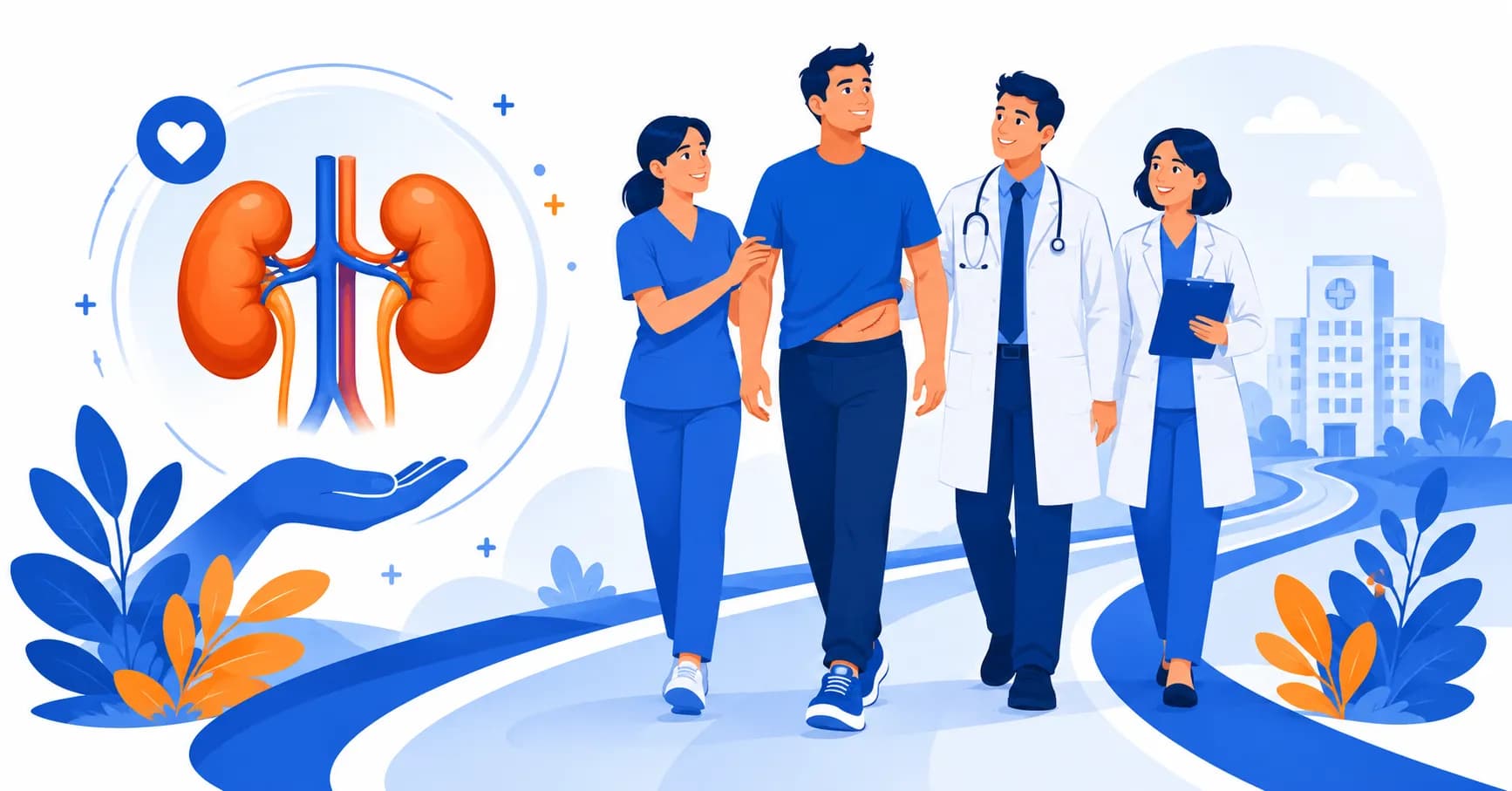
Pediatric kidney transplant is the surgical placement of a healthy kidney into a child whose own kidneys have failed (end-stage renal disease). This treatment restores renal function, allowing the child to grow, develop and lead a more normal life compared with long-term dialysis. At Apex Hospital in Malviya Nagar, Jaipur, the pediatric kidney transplant service integrates child-focused medical care, anesthetic techniques designed for infants and children, and family-centered counseling to support the child and caregivers throughout the transplant journey.
A transplant can come from a living donor (often a parent or close relative) or a deceased donor. For children, living donor transplants are frequently preferred because they typically provide a better match, shorter waiting time and higher short-term graft survival. A successful transplant eliminates or significantly reduces the need for dialysis and enables improved nutrition, growth and quality of life.
The pediatric kidney transplant pathway at Apex Hospital Malviya Nagar Jaipur focuses on:
Transplantation is not simply a surgical event; it is a long-term care plan that includes lifelong immunosuppression, infection prevention, growth monitoring and psychosocial support for the child and family. Apex Hospital’s multidisciplinary pediatric transplant team in Jaipur ensures continuity of care from evaluation to long-term follow-up.
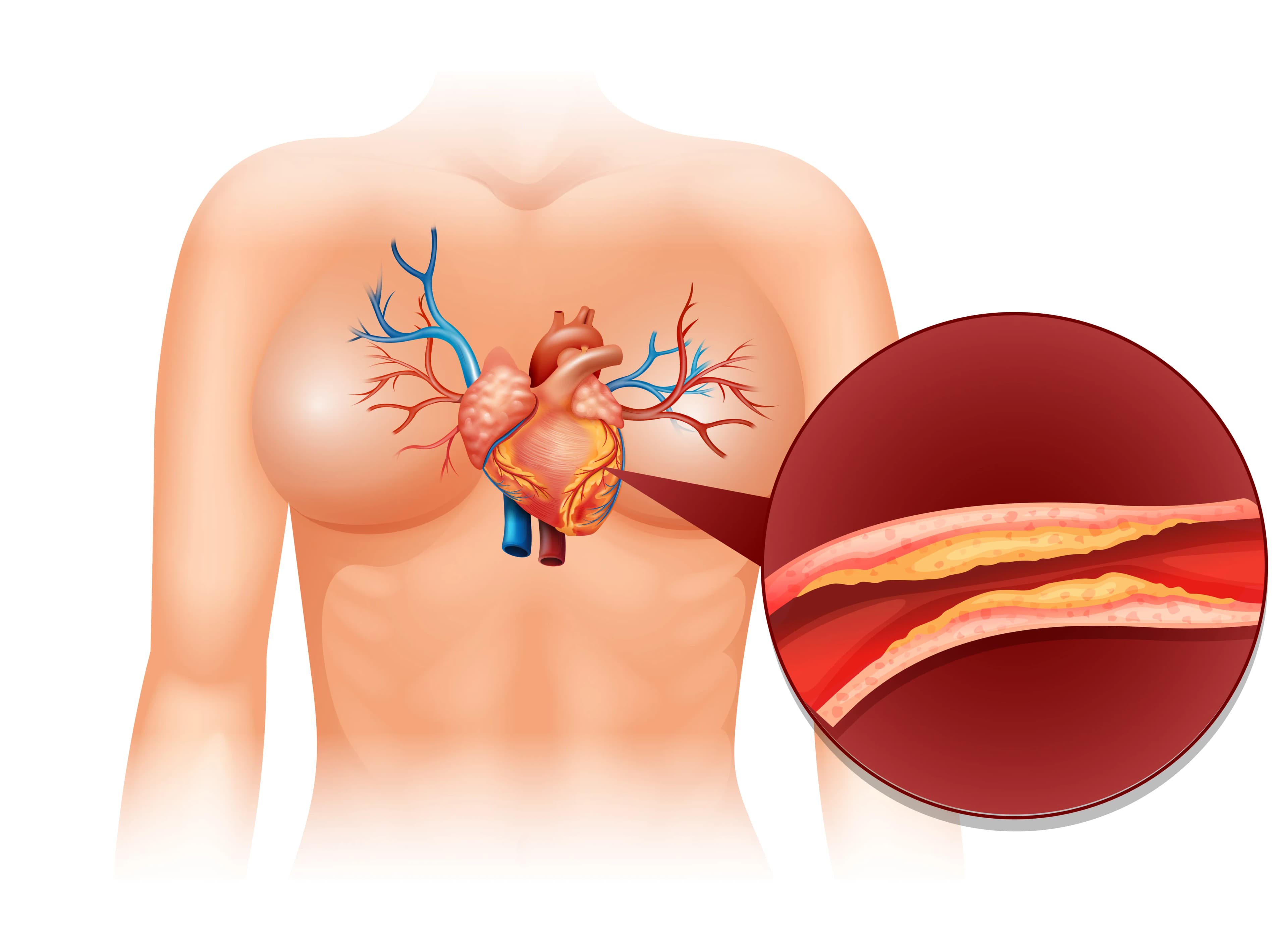
Children who require a pediatric kidney transplant have usually progressed to end-stage renal disease (ESRD) or near-ESRD. Causes of kidney failure in children differ in some respects from adults and often involve congenital, hereditary or acquired conditions. Common causes include:
Symptoms of advanced kidney disease in children can be subtle early on but become more noticeable as function declines. Typical signs and symptoms include:
Early diagnosis and timely referral to a pediatric nephrologist are critical. At Apex Hospital Jaipur, the pediatric nephrology team evaluates children with suspected chronic kidney disease using laboratory tests, ultrasound imaging and growth assessments. Prompt identification of progressive kidney disease allows planning for renal replacement therapy — either dialysis or kidney transplant — with the goal of minimizing complications and supporting normal development.
Preparing a child for a kidney transplant requires careful, multidisciplinary assessment. Apex Hospital in Malviya Nagar, Jaipur offers a structured, family-centered pre-transplant program that includes medical, surgical, psychosocial and logistical preparation. This evaluation ensures the child is a suitable candidate and helps identify the most appropriate donor option.
Key components of the pre-transplant evaluation include:
Apex Hospital’s pediatric transplant coordinators work closely with families in Jaipur to manage appointments, insurance or cashless authorization and donor support. The team also carries out pre-transplant education sessions to prepare caregivers for medication adherence, potential complications and follow-up schedules. This thorough preparation improves outcomes and reduces perioperative risks for children undergoing kidney transplant.
The surgical procedure for a pediatric kidney transplant at Apex Hospital Jaipur is tailored to the child’s size and medical needs. Surgery is performed by experienced transplant surgeons and pediatric anesthetists in a fully equipped operating theater with advanced monitoring and pediatric critical care support.
Typical steps during the transplant hospitalization include:
Early discharge criteria include stable urine output, controlled pain, normalized electrolytes and caregiver proficiency in medication administration. Apex Hospital provides step-down pediatric care and clear written instructions for caregivers, with the transplant coordinator available by phone (9829030011 / WhatsApp 9829030011) to answer questions during recovery and to schedule follow-up visits.
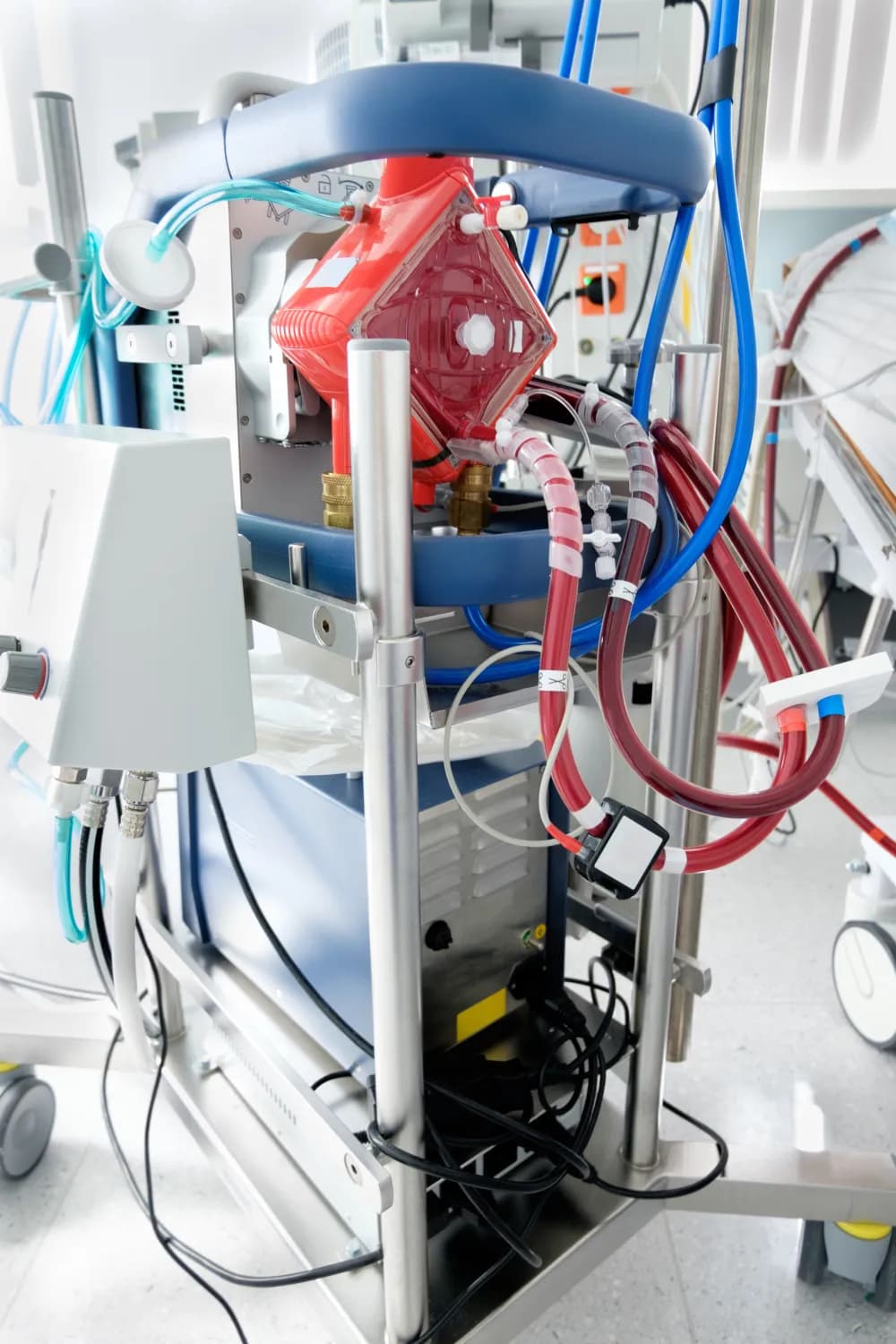
For children with advanced kidney disease, treatment options include conservative management, dialysis (hemodialysis or peritoneal dialysis), living donor transplant, deceased donor transplant or combined/living donor paired exchange. Each option has advantages and limitations based on urgency, donor availability, age and underlying disease.
| Treatment type | Benefits | Recovery time / logistics |
|---|---|---|
| Peritoneal dialysis | Home-based, preserves vascular access, flexible for young children | Ongoing daily exchanges; training required for caregivers |
| Hemodialysis | Highly effective waste removal; centers available in Jaipur | Regular visits to dialysis center (3 times/week); vascular access needed |
| Living donor transplant | Shorter wait time, better early graft survival, scheduled surgery | Surgery + ICU stay; quicker return to normal activities post-healing |
| Deceased donor transplant | Option when no living donor; may benefit patients who cannot identify donor | Variable wait time on registry; surgery when organ available |
| Paired exchange transplant | Enables incompatible living pairs to swap donors; increases donor pool | Requires coordination of multiple surgeries; scheduling complexity |
Choosing between dialysis and transplant: dialysis sustains life and is often used as a bridge to transplant, but long-term dialysis in children is associated with growth impairment, higher infection risk and reduced quality of life compared with transplantation. A living donor transplant is generally the preferred definitive therapy when feasible, particularly for children where optimizing growth and development is paramount.
Like all major surgeries, pediatric kidney transplant carries risks, but outcomes have improved significantly with modern surgical techniques and immunosuppressive regimens. Common early risks include bleeding, infection, delayed graft function and acute rejection; long-term risks include chronic rejection, medication side effects (infections, hypertension, metabolic complications) and recurrent disease in the transplant.
Success rates for pediatric kidney transplants are encouraging:
Global and local perspective: worldwide the estimated incidence of pediatric end-stage renal disease (ESRD) is approximately 10–15 per million children per year. In India, pediatric transplants account for a smaller but important fraction of kidney transplants; many tertiary centers in cities such as Jaipur are expanding pediatric programs to meet local demand. Early detection, access to transplantation and adherence to follow-up are critical determinants of long-term outcomes.
Apex Hospital Malviya Nagar Jaipur’s transplant team focuses on risk reduction through advanced donor selection, peri-operative monitoring and individualized immunosuppressive plans. Close follow-up and family education help maximize graft longevity and minimize adverse effects in children.
Post-transplant care is as important as the surgery itself. Children require lifelong follow-up to monitor kidney function, manage immunosuppression, prevent and treat infections, and support physical and emotional development. Apex Hospital’s pediatric transplant follow-up program in Malviya Nagar, Jaipur is designed for accessible, structured and child-friendly care.
Key elements of post-transplant care include:
Apex Hospital offers a coordinated follow-up plan and easy access to transplant coordinators via phone/WhatsApp (9829030011). Telemedicine follow-ups can be arranged for families across Jaipur and nearby areas, with in-person visits recommended for critical monitoring. Long-term surveillance ensures timely identification of rejection, infection or complications and supports the child’s return to normal childhood activities.
Cost is an important consideration for families planning a pediatric kidney transplant. Prices in Jaipur can vary based on donor type (living vs deceased), pre-transplant optimization, length of hospital stay, medications, tests and post-transplant follow-up. Apex Hospital Malviya Nagar Jaipur offers transparent estimates and assistance with insurance and cashless authorization to reduce financial stress for families.
Typical cost components include:
| Transplant type | Approximate cost range (Jaipur, illustrative) | Notes |
|---|---|---|
| Living donor transplant | INR 4,00,000 – 10,00,000 | Cost depends on donor evaluations, hospital stay and medications. Many families can access insurance/CSR support. |
| Deceased donor transplant | INR 3,50,000 – 8,00,000 | May vary with wait time, organ retrieval logistics and perioperative complexity. |
| Dialysis (bridge to transplant) | INR 3,000 – 8,000 per session (hemodialysis) | Peritoneal dialysis may have different costs; long-term dialysis expenses can exceed transplant costs over time. |
Many health insurance plans partially cover transplant costs; coverage differs widely in India. Apex Hospital’s patient support team assists with insurance pre-authorization, documentation and guidance on government schemes or charitable funding where available. Families in Jaipur often combine insurance, savings and external support to meet costs. Contact Apex Hospital Malviya Nagar Jaipur at 9829030011 or visit https://apexhospitals.com/locations/malviya-nagar-jaipur for assistance with appointments and financial counseling.
Apex Hospital in Malviya Nagar, Jaipur is recognized as a trusted destination for pediatric kidney transplant care in the region. The hospital’s program combines advanced infrastructure with a child-focused multidisciplinary team to ensure safe, effective and compassionate care for children and families.
Key strengths of Apex Hospital’s pediatric transplant program:
Apex Hospital serves patients across Jaipur and surrounding regions, offering telemedicine follow-ups and locally accessible care for families in Malviya Nagar. The hospital’s pediatric transplant coordinators ensure streamlined scheduling and clear communication, and families can reach the transplant team directly via phone/WhatsApp at 9829030011.
Q1: At what age can a child receive a kidney transplant?
Children of all ages, including infants, can be considered for kidney transplant if clinically appropriate. The transplant team at Apex Hospital Jaipur evaluates each child individually to determine timing, taking into account size, medical stability and donor availability.
Q2: Is a living donor always better for children?
Living donor transplants often provide advantages such as shorter wait times and improved early graft survival. However, each situation is unique; if a living donor is not available, deceased donor or paired-exchange options remain valuable and effective alternatives.
Q3: How long will my child need to take immunosuppressive medications?
Immunosuppression is typically lifelong to prevent rejection. Over time, drug regimens may be adjusted to minimize side effects while maintaining graft protection. Regular monitoring at Apex Hospital ensures doses are optimized for each child.
Q4: Can my child go to school and play sports after transplant?
Yes. Most children return to normal schooling and age-appropriate activities after recovery. The transplant team provides tailored guidance on activity levels, infection precautions and school reintegration for children in Jaipur and nearby areas.
Q5: What are signs of rejection and when should I contact the transplant team?
Reduced urine output, fever, swelling, high blood pressure or sudden malaise can be warning signs. Caregivers should contact Apex Hospital’s transplant coordinators immediately at 9829030011 or visit the emergency department for prompt assessment.
Q6: Is pediatric kidney transplant available near me in Malviya Nagar Jaipur?
Yes. Apex Hospital Malviya Nagar Jaipur provides a full pediatric kidney transplant service, from evaluation to long-term care. Appointments can be booked via the website apexhospitals.com/locations/malviya-nagar-jaipur or by calling/WhatsApp at 9829030011.
Q7: Will insurance cover my child’s transplant?
Coverage varies by plan. Apex Hospital’s patient support team assists families with insurance pre-authorizations and documentation. The team can also advise on government schemes or charitable funding options available in Jaipur.
If your child has advanced kidney disease and you are exploring options, the pediatric nephrology and transplant team at Apex Hospital Malviya Nagar Jaipur is available for a detailed consultation. For appointments, additional information or to speak with a transplant coordinator, call or WhatsApp 9829030011 or book online at https://apexhospitals.com/locations/malviya-nagar-jaipur. Our multidisciplinary team is committed to evidence-based, compassionate care to help children achieve the best possible outcomes after pediatric kidney transplant.
care@apexhospitals.com
Download Our App
Find a doctor
About Us
Specialities
Careers
Contact Us
Privacy Policy
Disclaimer
Terms And Conditions
Academics
Apex Samvad
Events
News
Diseases
Health Checkup
Bio Medical Waste
EHSS Policy
NABH & NABL Certificates
Internal Grievance
External Grievance
CSR Policy
Apex Hospital - Malviya Nagar
Apex Hospital - Mansarovar
Apex Hospital - Sawai Madhopur
Apex Hospital - Jhunjhunu
Apex Hospital - Bikaner
Apex Hospital - Sri Ganganagar
Apex Hospital - Udaipur
Apex Hospital - Lucknow