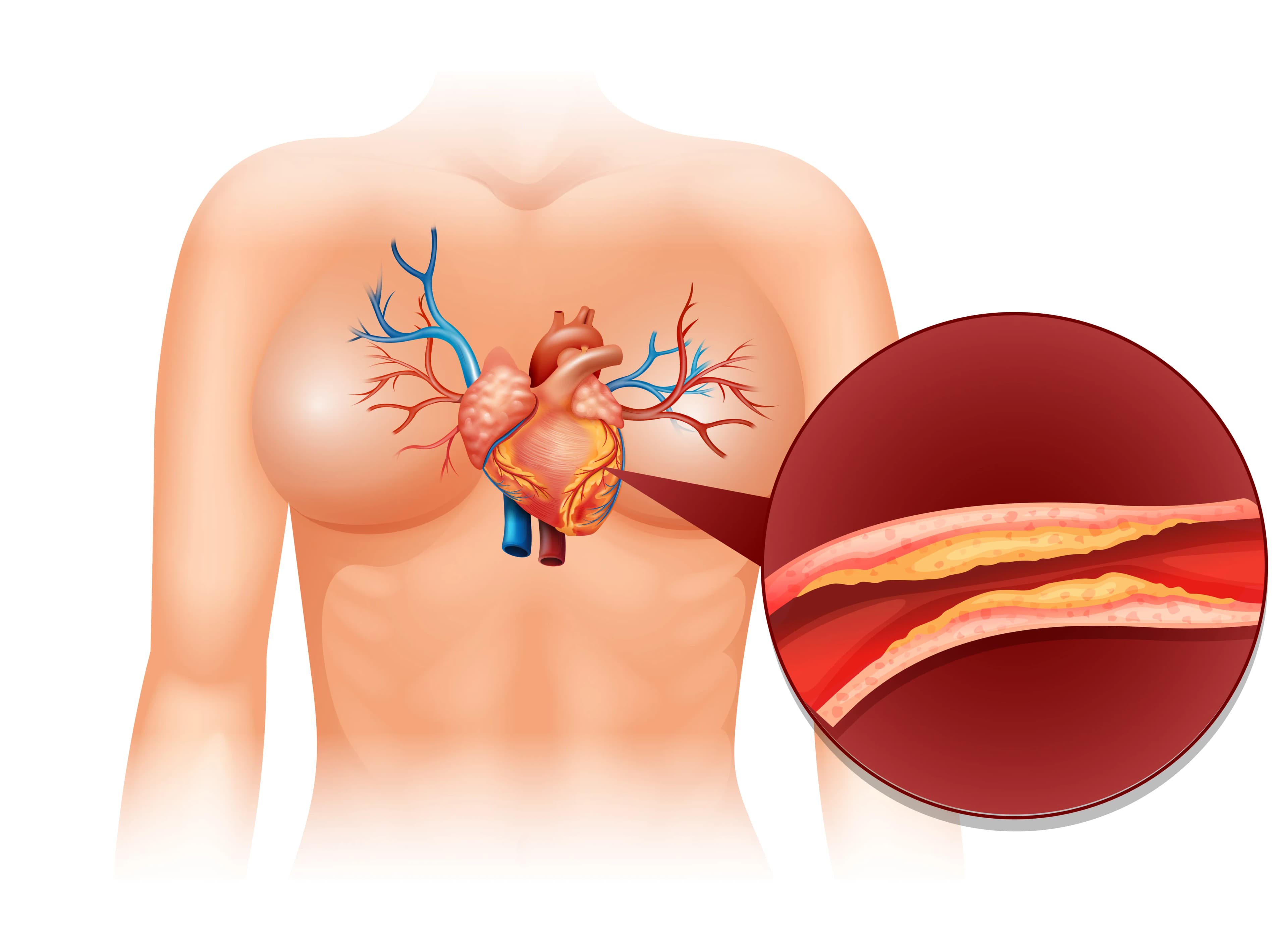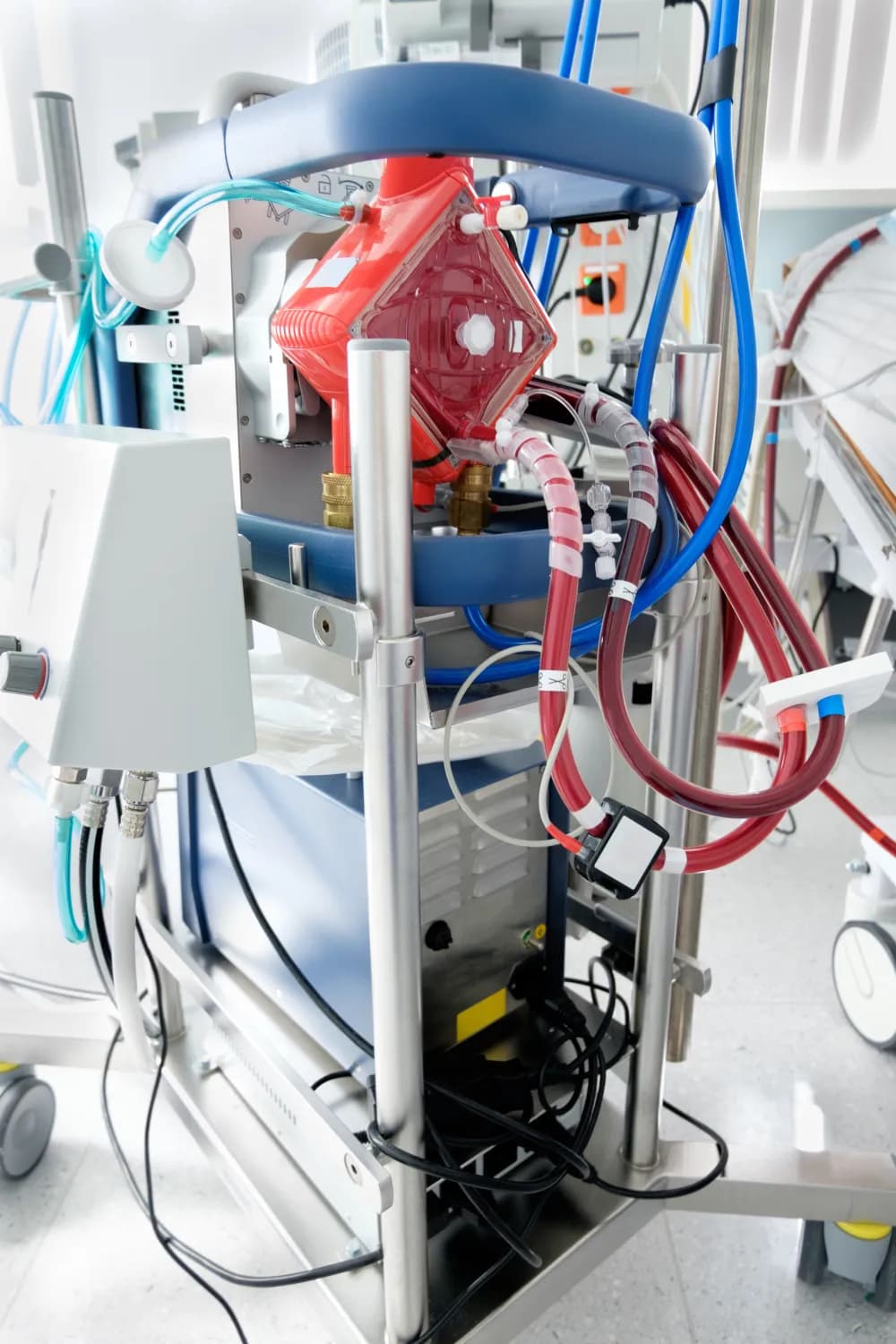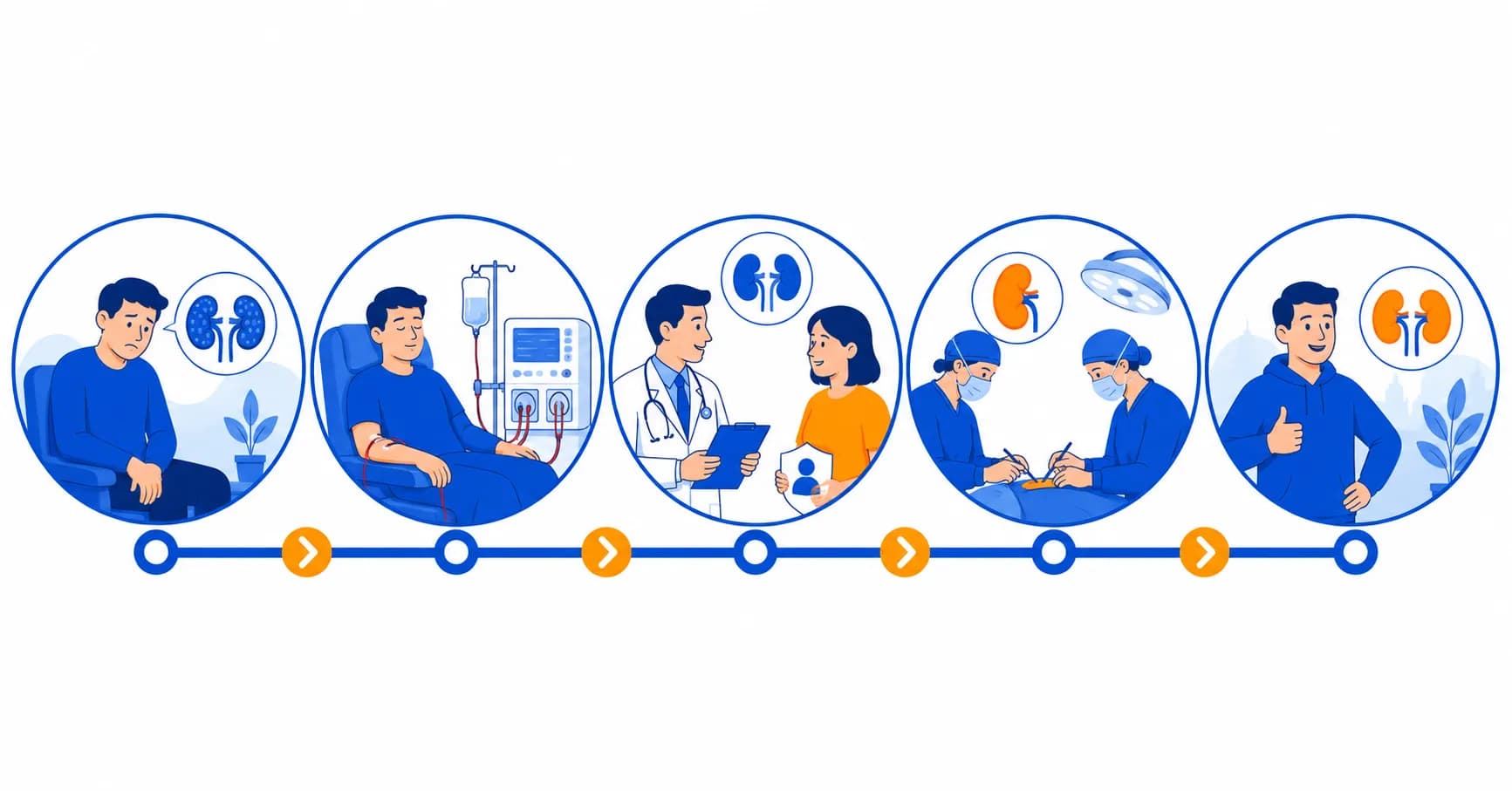
A combined kidney transplant refers to a surgical treatment in which a kidney is transplanted along with another organ (most commonly the pancreas) at the same time, or as part of a planned multi-organ approach. This treatment is typically recommended for patients with end-stage renal disease (ESRD) who also have another organ failure—most frequently patients with type 1 or insulin-dependent type 2 diabetes who develop kidney failure and life-altering glycemic instability. In the context of Apex Hospital in Malviya Nagar, Jaipur, combined kidney transplants are offered as part of a structured, multidisciplinary transplant program that integrates nephrology, transplant surgery, endocrinology, anaesthesia and critical care.
The principal goals of a combined kidney transplant are to:
Combined transplants can be performed using organs from a living donor (typically a relative or a directed donor) or a deceased donor allocated through national organ allocation systems. At Apex Hospital, complex kidney transplant Jaipur expertise includes simultaneous pancreas-kidney (SPK) transplants and other multi-organ strategies when clinically indicated. Because combined transplants are more complex than single-organ transplants, they require advanced surgical infrastructure and perioperative support—areas in which Apex Hospital’s transplant center in Malviya Nagar is equipped and experienced.
Eligibility for a combined kidney transplant depends on medical, psychosocial and logistical factors. Typical candidates include people with end-stage renal disease (ESRD) who also have another organ that would benefit from simultaneous transplantation—most commonly the pancreas in patients with brittle diabetes. The eligibility evaluation is comprehensive and designed to optimize outcomes and minimize risk.
Key elements of eligibility assessment include:
At Apex Hospital combined kidney transplant Jaipur, patients undergo a coordinated evaluation by transplant coordinators, nephrologists, transplant surgeons and allied specialties. The center offers tailored counseling on combined kidney transplant eligibility Jaipur so candidates understand risks, benefits, donor pathways (living donor combined kidney transplant Jaipur or deceased donor combined kidney transplant Jaipur) and expected outcomes before scheduling surgery.
Donor selection is a central part of planning any transplant. For a combined kidney transplant the donor may be a living donor (directed or non-directed) or a deceased donor. Each donor type has advantages and unique considerations—understanding these helps patients and families make informed decisions about donor options and expected outcomes.
Living donor combined kidney transplant (LDCKT) criteria:
Deceased donor combined kidney transplant criteria:
Special donor considerations for combined kidney-pancreas transplants:
In Jaipur and at Apex Hospital, the transplant team coordinates living donor screening, deceased donor acceptance and pre-transplant workups. Patients receive clear information about living donor combined kidney transplant Jaipur and deceased donor combined kidney transplant Jaipur pathways, and donor assistance services to simplify logistics and support donor safety throughout the donation process.
The surgical process for a combined kidney transplant is more complex than a single-organ transplant and requires meticulous coordination. Procedures commonly performed include simultaneous pancreas-kidney (SPK) transplant or combined kidney-liver transplants in specific scenarios. Apex Hospital’s advanced surgical infrastructure in Malviya Nagar, Jaipur, enables precision techniques and continuous monitoring for these complex operations.
Preoperative phase:
Intraoperative phase:
Postoperative phase:
At Apex Hospital combined kidney transplant Jaipur, our teams use advanced monitoring, experienced transplant surgeons and structured protocols to manage perioperative risks and deliver optimal outcomes, especially in high risk kidney transplant Jaipur scenarios.
Combined kidney transplants, like all major surgeries, carry risks that must be balanced against the potential benefits. Because combined transplants involve multiple organs and prolonged operative time, risks can be higher compared to single-organ transplants. Patients should receive thorough counseling about short-term and long-term complications and the steps taken to mitigate them at Apex Hospital, Malviya Nagar, Jaipur.
Immediate and early complications:
Immunologic and long-term complications:
Risk mitigation at Apex Hospital includes advanced donor selection, perioperative critical care, infection prophylaxis, close immunologic monitoring and individualized immunosuppression protocols. The transplant team provides education on recognizing early signs of complications and ensures structured follow-up to promptly treat problems and improve long-term graft survival.
Recovery after a combined kidney transplant is a multi-phase process requiring hospital-based care initially, followed by structured outpatient follow-up, medication management and lifestyle adjustments. At Apex Hospital in Malviya Nagar, Jaipur, a dedicated transplant coordinator guides patients through each stage—ensuring medication adherence, regular monitoring and rehabilitation to achieve the best possible outcomes.
Early hospital recovery (first 1–2 weeks):
Early outpatient recovery (first 1–3 months):
Long-term follow-up (beyond 3 months):
Recovery time varies: initial hospital stay for combined transplants is commonly 7–14 days, and full functional recovery may take 3–6 months or longer depending on complications and pre-transplant condition. Apex Hospital’s multidisciplinary transplant program in Jaipur focuses on personalized rehabilitation plans, nutritional support, and social services to support return to normal activities and to maximize graft longevity.
Understanding outcomes and success rates helps patients set realistic expectations for a combined kidney transplant. Globally, outcomes have improved significantly over the past two decades due to better immunosuppressive regimens, refined surgical techniques and optimized perioperative care. Success rates differ by center, donor type and recipient risk profile.
Global and national statistics:
Local context — Jaipur and Apex Hospital:
At Apex Hospital combined kidney transplant Jaipur, outcome monitoring and transparent reporting are prioritized. While national registries provide broader numbers, high-quality centers in Rajasthan and Jaipur report outcomes that align with national benchmarks when appropriate donor selection, surgical expertise and post-transplant management are in place. Patients seeking the best combined kidney transplant hospital Jaipur should consider center volume, multidisciplinary expertise, infection-control protocols and documented survival statistics. Apex Hospital’s multidisciplinary program, advanced diagnostics and structured follow-up contribute to competitive combined kidney transplant success rate Jaipur metrics.
Prognostic factors that influence outcomes:
Cost is an important consideration for many patients exploring a combined kidney transplant. Pricing varies widely depending on donor type (living versus deceased), length of hospital stay, complications, ICU time, medications, and post-transplant care. At Apex Hospital in Malviya Nagar, Jaipur, patients are offered transparent estimates and assistance with financing and insurance to make treatment accessible.
Cost factors include:
Typical cost ranges (illustrative; actual quotes provided upon consultation):
| Transplant type | Estimated cost range (INR) | Notes |
|---|---|---|
| Kidney-only transplant (living donor) | ₹6,00,000 – ₹12,00,000 | Lower than combined transplants; living donors reduce ischemia time |
| Combined kidney-pancreas transplant (living donor / deceased donor) | ₹12,00,000 – ₹25,00,000+ | Higher due to surgical complexity, ICU needs and longer hospitalization |
| High-risk combined transplant (complex comorbidity) | Varies significantly | Costs increase with complications, prolonged ICU stay or reoperation |
At Apex Hospital combined kidney transplant cost Jaipur guidance includes transparent breakdowns and support with insurance claims and cashless approvals when applicable. Many patients explore health insurance plans, government schemes, charitable programs or financing options. Apex Hospital provides a transplant coordinator to assist with documentation for combined kidney transplant financing insurance Jaipur and to evaluate affordability and payment plans.
Not all patients are candidates for a combined kidney transplant, and there are alternative treatments that may be considered depending on the clinical context. Common alternatives include kidney-only transplant, dialysis (hemodialysis or peritoneal dialysis), pancreas transplant alone (rare) or sequential transplantation. Choosing the right approach depends on disease severity, comorbidities and patient goals.
The table below compares common options to a combined kidney transplant:
| Procedure type | Benefits | Recovery time |
|---|---|---|
| Kidney-only transplant | Relieves need for dialysis, lower surgical complexity and shorter hospital stay | Hospital stay 7–10 days; full recovery 2–3 months |
| Combined kidney-pancreas transplant | Improves glycemic control, may eliminate need for insulin, treats both organ failures | Hospital stay 10–14+ days; full recovery 3–6 months |
| Dialysis (hemodialysis / peritoneal) | Widely available, avoids major surgery, option for medically unfit patients | Ongoing therapy; no surgical recovery but impacts quality of life |
| Sequential transplant (pancreas later) | Allows stabilization after kidney transplant; reduces combined surgical risk in select patients | Two separate recovery periods; timing individualized |
The decision is individualized: for many patients with brittle diabetes and ESRD, an SPK offers superior metabolic outcomes and life-quality improvements compared with kidney-only transplant. However, patient age, comorbid conditions, donor availability and immunologic risk may favour alternative pathways. Apex Hospital’s multidisciplinary team in Jaipur offers objective comparisons, evidence-based recommendations, and a patient-centered shared decision-making process for combined kidney transplant consultation Apex Hospital Jaipur.
Apex Hospital in Malviya Nagar is positioned as a leading destination for combined kidney transplant Jaipur with a specialized transplant unit that emphasizes safety, outcomes and patient experience. Our strengths include experienced transplant surgeons, nephrologists and a comprehensive multidisciplinary approach that supports patients from evaluation to long-term follow-up.
Key reasons to consider Apex Hospital:
For appointments and queries about Apex Hospital combined kidney transplant Jaipur, patients can call or WhatsApp at 9829030011 or book online at Apex Hospital Malviya Nagar appointment. Our transplant coordinators offer consultation scheduling, pre-transplant information and clear guidance about eligibility, donor pathways and expected outcomes.
Q1: Who is a candidate for a combined kidney-pancreas transplant?
A: Candidates typically include people with end-stage renal disease and type 1 diabetes or selected insulin-dependent type 2 diabetics who have severe metabolic instability. Comprehensive medical, cardiac and psychosocial evaluation by the transplant team at Apex Hospital determines candidacy.
Q2: What is the difference between living donor and deceased donor combined kidney transplant?
A: Living donor transplants often provide shorter ischemia times, faster graft function and potentially better early outcomes. Deceased donors are allocated through national registries and may be necessary if no living donor is available. Both pathways are managed by Apex Hospital’s transplant program in Jaipur.
Q3: How long does recovery take after a combined transplant?
A: Hospital stay commonly ranges from 7–14 days depending on complications. Full recovery may take 3–6 months. Ongoing follow-up and adherence to immunosuppression are essential for long-term success.
Q4: What are the long-term medications after transplant?
A: Lifelong immunosuppression is required—typically a combination of a calcineurin inhibitor (tacrolimus), an antiproliferative agent (mycophenolate) and steroids, with individualized adjustments. Regular monitoring mitigates side effects and maintains graft health.
Q5: Are combined transplants covered by insurance in India?
A: Coverage varies. Some policies and government schemes may cover transplant costs; Apex Hospital provides assistance with insurance claims, cashless approvals and financing advice for patients in Jaipur and Rajasthan.
Q6: What complications should patients watch for after discharge?
A: Fever, reduced urine output, sudden swelling, severe abdominal pain or high blood glucose levels (in pancreas recipients) warrant immediate contact with the transplant team. Early detection of rejection or infection improves outcomes.
Q7: How do I get an appointment for combined kidney transplant consultation at Apex Hospital?
A: Call or WhatsApp 9829030011 or visit Apex Hospital Malviya Nagar appointment to schedule a consultation. Our coordinators will guide you through initial evaluation, donor screening and pre-transplant planning.
For additional questions about combined kidney transplant near me Jaipur or to discuss eligibility and costs for high risk kidney transplant Jaipur, contact Apex Hospital in Malviya Nagar. We provide transparent consultations and patient-centered care every step of the way.

Download Our App


Powered By Docfyn