Allogeneic bone marrow transplant at Apex Hospital in Malviya Nagar, Jaipur, is a life‑saving cellular therapy in which blood‑forming stem cells are collected from a healthy donor and infused into a patient to replace diseased or damaged bone marrow. This specialized service is provided by our multidisciplinary bone marrow transplant (BMT) team and is designed to treat a range of hematologic and genetic disorders including acute and chronic leukemias, severe aplastic anemia, thalassemia major, certain lymphomas, myelodysplastic syndromes and selected metabolic or immune deficiencies.
At Apex Hospital, we combine internationally accepted transplant protocols with locally tailored supportive care to provide comprehensive treatment for patients across Rajasthan and neighbouring states. Our transplant suite in Malviya Nagar is equipped with high‑quality HEPA filtration, dedicated transplant nursing, and on‑site infectious disease, cardiology and critical care backup to optimize patient safety during the intensive transplant period.
Allogeneic transplant differs from autologous transplant because the stem cells come from another person — this donor may be a matched sibling, an unrelated matched volunteer from a registry, a haploidentical (half‑matched) relative, or umbilical cord blood. The choice of donor affects outcomes, risk of graft‑versus‑host disease (GVHD), and cost — factors our team discusses thoroughly with each patient and family in Jaipur during pre‑transplant counselling.
If you are exploring an allogeneic stem cell transplant in Jaipur, Apex Hospital provides a clear pathway from evaluation through long‑term follow‑up. For appointments and enquiries call or WhatsApp: 9829030011 or book online at Apex Hospital Malviya Nagar, Jaipur.
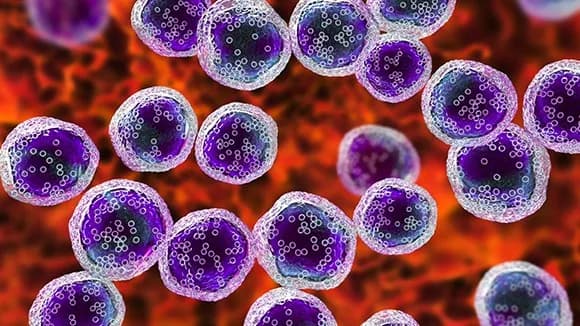
An allogeneic bone marrow transplant is a therapeutic procedure that replaces a patient’s diseased or non‑functioning bone marrow with healthy hematopoietic (blood‑forming) stem cells obtained from a donor. These stem cells travel to the recipient’s bone marrow spaces and re‑establish blood cell production — a process called engraftment. The treatment offers not only cellular replacement but also an immune effect: donor immune cells can recognize and help eliminate residual malignant cells (graft‑versus‑leukemia effect).
Indications for allogeneic transplant include malignant and non‑malignant conditions. Common malignant indications are:
Non‑malignant indications include:
Symptoms and consequences of bone marrow failure or malignant marrow involvement can include uncontrolled infections, severe anemia (fatigue, breathlessness), bleeding (petechiae, bruising), recurrent fevers, and in malignancies systemic symptoms such as weight loss and night sweats. When standard therapies (chemotherapy, targeted agents, supportive care) are unlikely to cure or sustain remission, an allogeneic transplant may offer the best chance for long‑term survival or cure.
The decision to proceed with an allogeneic transplant is individualized: it depends on disease type and stage, patient age and fitness, availability of an appropriate donor, and the balance of expected benefits versus transplant‑related risks. At Apex Hospital Jaipur, the transplant team conducts thorough assessments, including disease risk stratification, organ function evaluation, psychosocial readiness and donor search planning, ensuring patients have clear information about potential outcomes before proceeding.
Donor selection is a critical determinant of transplant outcome. The goal is to find a donor whose human leukocyte antigen (HLA) profile closely matches the patient to reduce the risk of graft rejection and graft‑versus‑host disease (GVHD). There are several donor categories commonly used at Apex Hospital for allogeneic stem cell transplant in Jaipur:
Selecting a donor involves HLA typing, infectious disease screening, and considering donor age and health. Each donor type has trade‑offs: matched sibling transplants generally have lower transplant‑related mortality and GVHD rates, while matched unrelated donors can offer comparable survival when well matched. Haploidentical transplants provide broader access but may require specialized GVHD prevention protocols.
| Donor type | Benefits | Challenges |
|---|---|---|
| Matched sibling donor | Lower GVHD risk; excellent engraftment | Only available if a sibling is compatible |
| Matched unrelated donor | Broader availability; good outcomes when well matched | Time to identify donor; registry costs |
| Haploidentical donor | Almost every patient has a haplo relative; increasing use | Higher GVHD risk without modern prophylaxis; specialized care needed |
| Umbilical cord blood | Better tolerance of mismatch; readily available banked units | Slower engraftment; limited cell dose for adults |
At Apex Hospital in Malviya Nagar, Jaipur, we maintain active links with national and international registries to help find matched unrelated donors, and we have experience performing matched sibling, haploidentical and cord blood transplants. Our team explains donor options clearly, including success probabilities, timelines for donor search, and the financial implications of each route so families can make informed decisions.
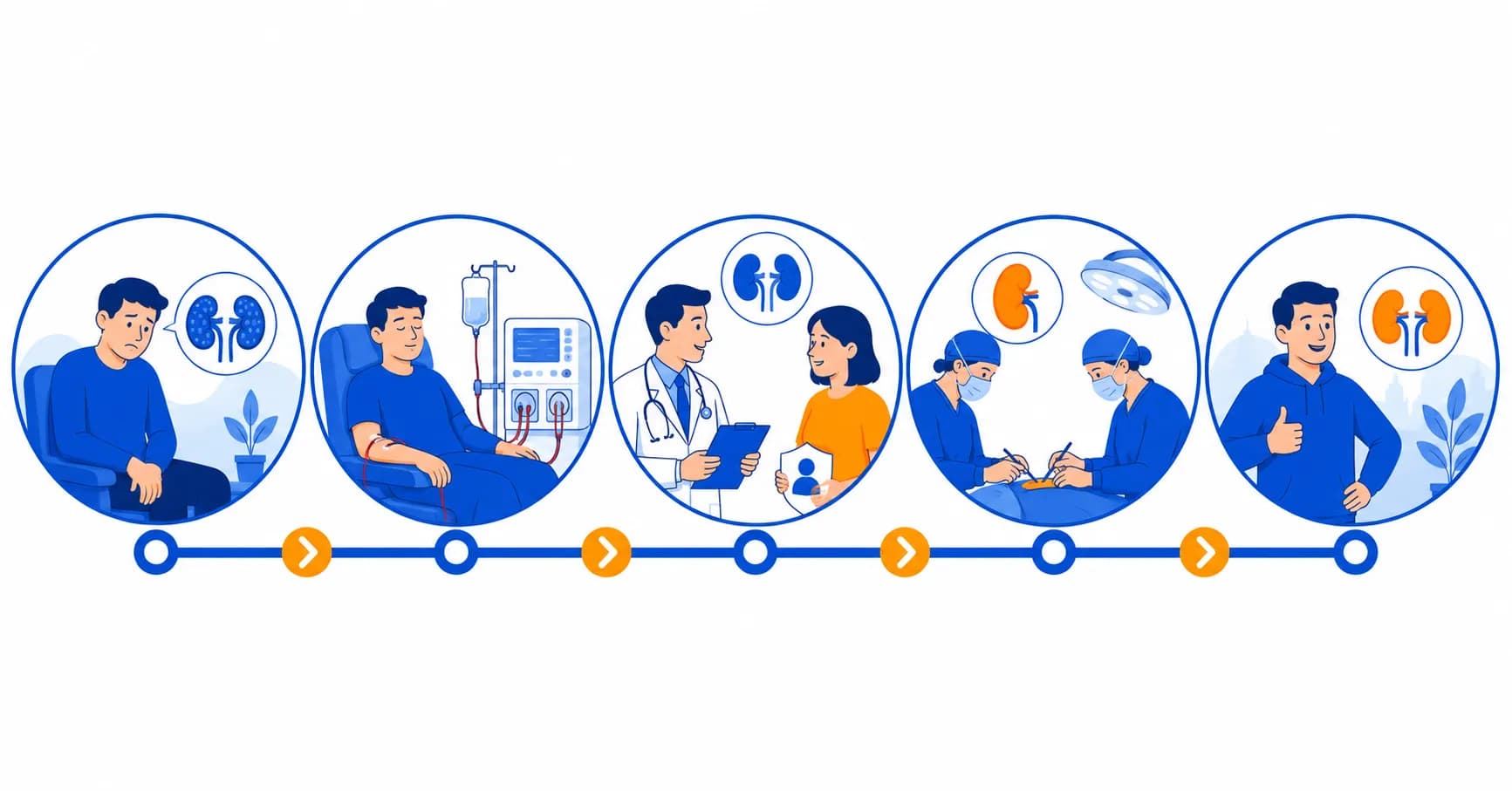
The allogeneic transplant pathway at Apex Hospital is structured, evidence‑based and patient‑centred. The key stages include referral and evaluation, donor search, conditioning (preparative regimen), stem cell collection and infusion, engraftment period, and long‑term follow‑up.
1) Evaluation and eligibility: A comprehensive pre‑transplant workup includes detailed blood tests, bone marrow biopsy, high‑resolution HLA typing, cardiac (echocardiogram), lung function tests, liver and kidney assessment, infection screening (viral serology, TB screening) and dental evaluation. Psychosocial assessment and counselling for patients and caregivers are part of the process, as transplant requires prolonged commitment.
2) Donor search and preparation: If a matched sibling is not available, the team initiates registry searches or evaluates haploidentical relatives. Donors undergo infectious screening, HLA confirmation and donor consent. Donor collection method is either peripheral blood stem cell (PBSC) mobilization using filgrastim or bone marrow harvest under general anaesthesia — the choice depends on disease type and transplant protocol.
3) Conditioning regimen: Before infusion, patients receive chemotherapy with or without total body irradiation (myeloablative or reduced‑intensity conditioning) to eradicate disease and create space for donor cells. Conditioning intensity is individualized based on patient age, co‑morbidities and disease risk.
4) Stem cell infusion and inpatient care: Donor stem cells are infused intravenously like a blood transfusion. The early post‑infusion phase requires protective isolation in the transplant unit, intensive supportive care for cytopenias, infection prophylaxis and monitoring for immediate complications such as infusion reactions.
5) Engraftment and early recovery: Engraftment typically occurs in two to four weeks for PBSC and may be longer for cord blood. During this time, patients receive blood product support, antibiotics, antifungals and antiviral prophylaxis. Regular blood counts and chimerism testing confirm donor cell take.
6) GVHD prevention and management: Immunosuppressive medications (cyclosporine, tacrolimus, methotrexate, post‑transplant cyclophosphamide) are used to reduce GVHD risk. If acute or chronic GVHD occurs, prompt specialist management is delivered including immunosuppression escalation, topical therapies and multidisciplinary support.
7) Long‑term follow up: After discharge, patients return for frequent outpatient visits in the first year, with monitoring for late infections, organ toxicity, endocrine issues and re‑vaccination planning. Apex Hospital offers structured survivorship clinics in Jaipur focusing on rehabilitation and quality of life.
Throughout the process in Malviya Nagar, Jaipur, the transplant team includes haematologists, transplant physicians, specialised nursing staff, infectious disease consultants, dietitians and physiotherapists. Practical support such as accommodation advice for out‑of‑town families, financial counselling and social work assistance are available to help navigate the treatment journey.
Allogeneic stem cell transplant is a complex intervention with potential for both cure and serious complications. Understanding risks helps patients and families weigh benefits versus potential harms. Major complications include graft‑versus‑host disease (GVHD), infections during the neutropenic period, organ toxicities (liver, lungs, heart), graft failure and disease relapse. Each risk varies by disease, patient factors and donor match.
Acute GVHD occurs in the first 100 days post‑transplant and commonly affects skin, liver and gut, presenting with rash, jaundice or diarrhoea. Chronic GVHD can develop later and may cause multisystem issues including skin tightening, dry eyes, liver dysfunction and lung involvement. Our team in Jaipur monitors for early signs and uses standard protocols to reduce long‑term disability.
Infection is a leading cause of early transplant morbidity. During the neutropenic window and early immune reconstitution, patients are vulnerable to bacterial, fungal and viral infections. Apex Hospital uses evidence‑based antimicrobial prophylaxis, high‑efficiency air filtration and prompt diagnostic services to reduce these risks.
Outcomes depend on disease indication, disease status at transplant (remission vs active disease), donor type and patient fitness. Contemporary international data indicate that overall survival after allogeneic transplant ranges widely by indication and risk category. For example, long‑term survival for standard‑risk leukaemia with a matched sibling donor often falls within the 50–70% 3–5 year survival range, whereas high‑risk disease or mismatched donors may have lower survival rates. In India, published series and centre reports show comparable outcomes when transplants are conducted in accredited centres with experienced teams.
| Transplant setting | Typical 3–5 year survival (approx.) | Key risks |
|---|---|---|
| Matched sibling donor, standard‑risk leukemia | 60–70% | GVHD, infections, relapse |
| Matched unrelated donor | 50–65% | GVHD, registry delay, infections |
| Haploidentical transplant | 40–60% | Early complications; requires GVHD prophylaxis |
| Umbilical cord blood transplant | 35–55% | Delayed engraftment; infection risk |
At Apex Hospital, our goal is to maximize survival while minimizing treatment‑related complications. This includes appropriate donor selection, modern conditioning regimens when indicated, vigilant infection control, proactive GVHD prevention and rapid management of complications. We counsel patients in Jaipur and surrounding areas about realistic expectations and provide comprehensive supportive services throughout recovery.
Although allogeneic transplant can be curative for many disorders, alternatives exist and may be appropriate depending on disease, patient age, comorbidities and patient preferences. Major alternatives include autologous stem cell transplant, conventional chemotherapy, targeted small‑molecule or immunotherapy agents, supportive care, and emerging options such as gene therapy for inherited blood disorders.
Autologous transplant uses the patient’s own stem cells and avoids GVHD, making it suitable for some lymphomas, multiple myeloma and specific settings. However, it does not provide a donor immune effect and is generally not curative for genetic marrow failure or many leukemias.
New targeted therapies — tyrosine kinase inhibitors (for CML), monoclonal antibodies, CAR‑T cell therapy — have expanded non‑transplant options for some patients. For inherited haemoglobinopathies like thalassemia, gene therapy and gene‑editing trials are increasingly promising alternatives to donor transplant, though availability and cost remain limiting factors in India at present.
| Treatment option | When used | Benefits | Limitations |
|---|---|---|---|
| Allogeneic transplant | Curative intent for leukemia, thalassemia, aplastic anemia | Potential cure; graft‑versus‑disease effect | GVHD risk, high early morbidity, cost |
| Autologous transplant | Selected lymphomas, myeloma | Lower GVHD risk; shorter immunosuppression | Not curative for genetic disorders; relapse risk |
| Targeted/immunotherapy | Specific molecular subtypes; relapsed disease | Less toxic than transplant for some patients | May not be curative; resistance can develop |
| Gene therapy | Inherited disorders (in trials/selected use) | Potential single‑patient curative approach | High cost; limited accessibility in India currently |
Decisions between these options are made through multidisciplinary review. In Jaipur, Apex Hospital’s hematology team discusses alternative pathways including clinical trials, targeted agents and palliative approaches where appropriate, ensuring treatment plans match patient goals and real‑world constraints such as availability of donors and financial considerations.
Preparing for an allogeneic transplant involves medical, logistical and financial planning. Eligibility criteria include disease indication where transplant offers benefit, adequate organ function (heart, lung, liver and kidneys), absence of uncontrolled infections and an acceptable performance status. Older patients or those with comorbidities may be considered for reduced‑intensity conditioning to lower toxicity.
Pre‑transplant preparation steps include:
Cost is a significant consideration for many families. In Jaipur, the cost of allogeneic bone marrow transplant varies by donor type, conditioning intensity, length of hospital stay and complications. Typical ranges in private centres in India and specifically in Jaipur often fall between INR 6,00,000 to INR 20,00,000 (approximately) depending on complexity:
Cost components typically include hospital bed charges, chemotherapy and conditioning agents, donor search and collection, blood products and supportive medications, infection management and ICU care if required. Apex Hospital offers transparent financial counselling and can help families explore insurance coverage, government schemes and charitable supports where applicable. To discuss individual cost estimates and payment options, contact Apex Hospital BMT team at 9829030011 or WhatsApp 9829030011.
Recovery after allogeneic transplant is a gradual process that extends from the inpatient phase into months and years of follow‑up. Initial recovery focuses on engraftment, infection prevention and early GVHD surveillance. Once discharged from the transplant unit in Jaipur, patients return frequently in the first year for blood tests, chimerism assays and organ function monitoring.
Key elements of post‑transplant care include:
Long‑term risks include chronic GVHD, secondary malignancies, endocrine dysfunction (thyroid, gonadal), and late organ toxicities. Our survivorship clinic at Apex Hospital Jaipur provides coordinated care with specialists for eye, lung, liver, endocrine and dental issues that may arise. Patients are educated on signs of infection, GVHD and when to seek urgent care.
For families unable to attend frequent visits, Apex Hospital offers telemedicine follow‑ups and coordination with local physicians in Rajasthan to ensure ongoing monitoring and early intervention when necessary. Support groups and patient education sessions in Malviya Nagar help patients and caregivers cope with the long recovery period and improve quality of life after transplant.
Apex Hospital in Malviya Nagar, Jaipur, is positioned to deliver comprehensive allogeneic BMT care with patient safety, modern protocols and compassionate support. Our centre focuses on evidence‑based practice, multidisciplinary coordination and local accessibility for patients from Jaipur and surrounding regions.
Key strengths include:
Apex Hospital’s location at SP‑4 & 6, Malviya Nagar Industrial Area, Malviya Nagar, Jaipur, Rajasthan, is convenient for families across the city and the region. To schedule a bone marrow transplant consultation or second opinion, call or WhatsApp the transplant coordination team at 9829030011 or book online: Apex Hospital Malviya Nagar, Jaipur. Our team provides detailed evaluations, donor search initiation and transparent treatment planning to help you make an informed decision.
Q1: Who is a candidate for an allogeneic bone marrow transplant?
A: Candidates include patients with high‑risk or relapsed hematologic malignancies (leukemia, lymphoma), severe aplastic anemia, thalassemia major and selected genetic disorders where transplant is indicated. Eligibility also depends on organ fitness and availability of a suitable donor. At Apex Hospital Jaipur, we perform individualized assessments to determine candidacy.
Q2: How long will I stay in hospital for the transplant?
A: Typical inpatient stay ranges from 4 to 6 weeks depending on engraftment speed and complications. Some patients may require shorter or longer admissions. Close monitoring during the neutropenic and engraftment phases is essential for safe recovery.
Q3: What is graft‑versus‑host disease (GVHD) and how is it managed?
A: GVHD occurs when donor immune cells attack recipient tissues. It can be acute (early, affect skin/liver/gut) or chronic (later, multisystem). Prevention includes immunosuppressive regimens; treatment involves steroids, additional immune modulators and supportive care. Early recognition and specialist management at Apex Hospital reduce long‑term impact.
Q4: How much does an allogeneic bone marrow transplant cost in Jaipur?
A: Costs vary by donor type and complexity. In Jaipur private centres including Apex Hospital, typical costs often range from approximately INR 6,00,000 to INR 20,00,000. Final estimates are individualized and discussed during financial counselling; call 9829030011 for a personalized estimate.
Q5: Can I find a donor if my sibling is not a match?
A: Yes. We search national and international registries for matched unrelated donors and evaluate haploidentical relatives (parents, children) or cord blood options. Apex Hospital assists with registry liaison and donor coordination for patients in Jaipur.
Q6: What are the survival rates after allogeneic transplant?
A: Survival depends on disease, donor match, and patient condition. As a general guide, matched sibling transplants in standard‑risk settings have 3–5 year survival often in the 50–70% range; unrelated and haploidentical transplants have variable but improving outcomes. Apex Hospital reviews outcome expectations individually.
Q7: How do I book a consultation for bone marrow transplant in Malviya Nagar, Jaipur?
A: To book a transplant consultation at Apex Hospital, call or WhatsApp 9829030011 or book online at https://apexhospitals.com/locations/malviya-nagar-jaipur. Our transplant coordinator will arrange appointments, initial evaluations and donor search initiation.
Apex Hospital’s bone marrow transplant services are located at:
SP‑4 & 6, Malviya Nagar Industrial Area, Malviya Nagar, Jaipur, Rajasthan, India.
For appointments, second opinions or to start a donor search call/WhatsApp: 9829030011. You may also request an appointment via our online booking page: Apex Hospital Malviya Nagar Jaipur — appointments.
Our transplant coordination team in Jaipur will guide you through initial documentation, insurance queries, donor search steps and the pre‑transplant workup to ensure clarity and timeliness. We welcome referrals from physicians and self‑referrals from patients seeking expert transplant care in Rajasthan.

Download Our App


Powered By Docfyn