
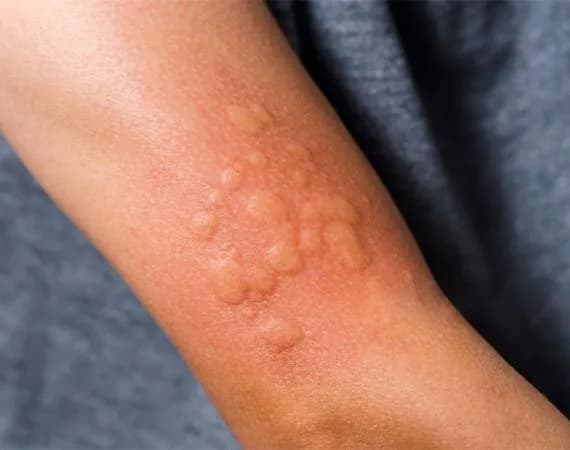
If you’ve noticed red or skin-coloured bumps that suddenly appear and then fade away, chances are it’s not just a simple insect bite. These could be hives, medically known as urticaria. Hives are itchy rashes that may vary in intensity, ranging from mild irritation to severe discomfort. They are also commonly referred to as welts, wheals, or nettle rash.
According to the World Allergy Organization (WAO), urticaria is more common than many realize; nearly 1 in 5 people (about 20%) experience it at some point in their lives. The condition can appear suddenly and may be acute (short-term) or chronic (lasting for weeks or months). Everyday factors such as scratching, alcohol consumption, exercise, or even stress can make the itching worse.
Urticaria are raised, red or skin-coloured welts that suddenly appear on the skin. They are a type of swelling on the skin’s surface, usually triggered when the body reacts to an allergen. An allergen is a substance that’s harmless for most people but causes an immune response in sensitive individuals.
These hives are often very itchy and can also cause a burning or stinging sensation. They vary in size, from as small as a fingertip to as large as a dinner plate, and may sometimes merge, forming larger patches called plaques. While most hives fade within 24 hours, they can linger or reappear over several days.
Hives can appear anywhere on the body and are typically pink, red, or skin-toned. Doctors classify urticaria into two main types:
Acute urticaria – Lasts less than six weeks, usually caused by allergies, infections, or certain medications.
Chronic urticaria – Persists for more than six weeks, sometimes without a clear cause.
According to the National Centre for Biotechnology Information (NCBI), chronic urticaria affects about 0.5–1% of the global population and can greatly affect day-to-day life.
Sometimes, hives appear without a clear reason, but in many cases, they are the body’s response to certain triggers. When the immune system detects something it sees as harmful, even if it’s harmless for most people, it releases histamine. This chemical causes small blood vessels (capillaries) to leak fluid, leading to swelling, redness, and the raised, itchy bumps we recognize as hives.
Allergens
One of the most common causes of acute hives (lasting less than six weeks) is an allergic reaction. This may happen when you eat, drink, or touch something your body is sensitive to. This type of reaction is sometimes called contact urticaria.
Foods: nuts, eggs, seafood, kiwi, bananas, chestnuts, mango, and food additives
Medications: certain antibiotics, aspirin and other NSAIDs, and ACE inhibitors (used for high blood pressure)
Other allergens: latex, plants like poison ivy, nettles, and poison oak, as well as chemicals in cosmetics or personal care products
Physical Triggers
Hives don’t always come from allergens; sometimes, physical factors can bring them on. These include:
Infections and Underlying Health Conditions
Viral infections: flu, common cold, glandular fever, hepatitis B
Bacterial infections: strep throat, urinary tract infections
Intestinal parasites, such as Giardia lamblia
Autoimmune conditions: thyroid disease, lupus, rheumatoid arthritis, and type 1 diabetes
Other illnesses: vasculitis (inflammation of blood vessels) or certain cancers
No, hives themselves are not contagious. However, if your skin comes into contact with something like poison ivy sap and you don’t wash it off, the plant residue can spread to others. The welts are caused by your immune system’s chemical response, not by an infection.
Certain medical conditions, like thyroid disease, autoimmune disorders, or ongoing infections, can increase the risk of developing chronic hives. While hives themselves are not dangerous, they can sometimes occur as part of a severe allergic reaction (anaphylaxis). Warning signs include dizziness, difficulty breathing, and swelling of the lips, tongue, or throat. In such cases,
Hives can look and feel different from person to person, but some common signs include:
Raised, itchy welts or bumps on the skin that may be as small as a pinhead or several inches wide.
Colours that vary – pink, red, purple, or skin-toned, often depending on your skin colour.
A pale centre when pressed (hives blanch under pressure).
Welts that appear and fade quickly, often within 24 hours, although new ones may form as old ones disappear.
Different appearances – hives may look like spots, blotches, thin raised lines, or large patches.
Angioedema (swelling beneath the skin) can cause puffiness around the lips, eyelids, cheeks, or throat.
Acute hives usually appear suddenly and last less than six weeks. Symptoms include:
Food allergies: usually within 1 hour.
Contact allergies (like latex or plants): within 10–60 minutes.
Food additives: may take 12–24 hours.
Medications: can appear immediately or even after long-term use.
Angioedema causes swelling of the lips, eyes, or the inside of the throat.
Chronic hives last longer than six weeks and may come and go for months or years. Symptoms often mirror acute hives but are more persistent:
- If hives last for more than a few days, keep coming back, or severely impact your daily life.
- Seek medical attention if you experience frequent flare-ups lasting over six weeks.
Hives themselves are not usually dangerous, but they can sometimes occur as part of a severe allergic reaction (anaphylaxis). Get emergency care if you notice:
Diagnosis is primarily based on medical history and physical examination.
Tests may include:
Doctors may also recommend keeping a symptom diary to track potential triggers.
The treatment for hives depends on whether it is acute (short-term) or chronic (long-term) and how severe your symptoms are. In most cases, hives improve on their own, but treatment can help reduce itching, swelling, and prevent flare-ups.
1. Avoiding Triggers
The most important step is to identify and avoid triggers such as certain foods, medications, insect stings, heat, stress, or allergens.
Keeping a symptom diary can help you figure out what causes your hives.
2. Medications
For mild to moderate hives:
Antihistamines (first-line treatment):
Non-drowsy antihistamines are usually recommended.
They block the histamine response, reducing itching and swelling.
Cold compresses or soothing lotions can also relieve discomfort.
For severe or chronic hives:
3. Lifestyle & Home Remedies
Cool baths or showers and loose, comfortable clothing can ease itching.
Avoid scratching, as it can worsen irritation.
Manage stress, since anxiety and tension can trigger or worsen outbreaks.
Stay hydrated and maintain a healthy routine.
4. When to Seek Medical Care
If your hives last more than six weeks or keep coming back.
If symptoms are severe and interfere with sleep or daily activities.
If you develop swelling of the tongue, lips, throat, or trouble breathing, seek emergency medical help; this could be anaphylaxis.
While not all cases are preventable, the risk of urticaria flare-ups can be reduced by:
At Apex Hospitals, Jaipur, patients benefit from a comprehensive approach to allergy and skin conditions:
Advanced diagnostic facilities, including allergy testing.
- A team of dermatologists with expertise in chronic urticaria.
- NABH-accredited hospital ensuring safety and quality care.
- Patient-centred treatment plans tailored to individual needs.
Urticaria, or hives, is a common yet sometimes persistent condition that can significantly affect daily life. While acute cases often resolve quickly, chronic urticaria requires careful management, lifestyle changes, and sometimes advanced medical treatment. If you experience frequent or severe hives, consulting a specialist is the best step toward long-term relief.
Take the next step towards recovery, book an appointment with the allergy and dermatology experts at Apex Hospitals today.

Download Our App


Powered By Docfyn