
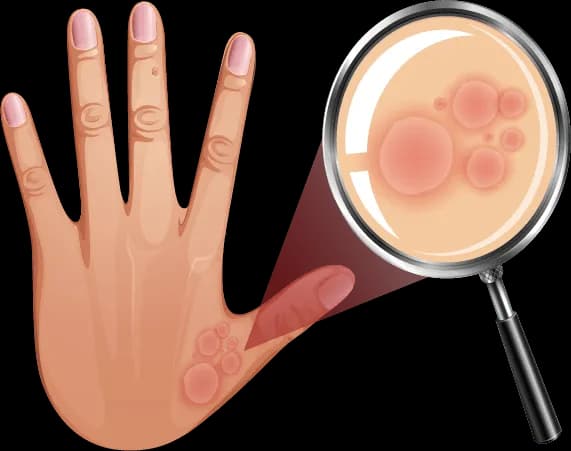
Ringworm, despite its name, is not caused by a worm. It’s a common fungal infection that affects the skin, scalp, or nails. The name "ringworm" comes from the telltale red, circular, itchy rash that looks like a ring on the skin. The medical term for it is tinea, and depending on where it appears on the body, it goes by different names; for example, tinea corporis refers to ringworm on the arms, legs, torso, or face. Fungi responsible for ringworm thrive in warm, moist environments such as locker rooms, public showers, and swimming pool areas. The infection spreads easily through direct skin-to-skin contact, sharing personal items, or even touching infected animals.
Ringworm is highly contagious, but it's also treatable. Most cases respond well to antifungal creams, powders, or oral medications, some of which are available over the counter. Early identification and proper hygiene are key to controlling the infection and preventing it from spreading to others.
Ringworm is a fungal infection caused by dermatophytes, a group of fungi that live on the skin, hair, and nails. It presents as a red, scaly, ring-shaped rash, hence the name "ringworm." It is medically referred to as tinea, followed by the body part it affects:
Ringworm is highly contagious and can be spread through:
Common Causes:
You are more likely to get ringworm if you:
Ringworm (also known as tinea) presents differently depending on the area of the body affected, but it typically causes a distinctive red, circular rash that is itchy and scaly.
When to See a doctor:
If the rash spreads, becomes painful, or does not improve with over-the-counter treatment in 1–2 weeks, consult a healthcare provider. Persistent or severe infections may need prescription antifungal medications.
Doctors typically diagnose ringworm based on physical examination and the appearance of the rash. Additional tests include:
KOH Test: Skin scrapings are examined under a microscope with potassium hydroxide to detect fungal cells.
Fungal Culture: Used for nail or scalp infections; can take several days.
Wood’s Lamp Examination: A special UV light may reveal ringworm on the scalp or skin.
Ringworm is a common fungal infection that is treatable with antifungal medications. The choice of treatment depends on the location, severity, and extent of the infection. Here are the main treatment options:
Topical Antifungal Creams (For Mild Cases)
These are the first line of treatment for skin-based ringworm (like on the body, feet, or groin).
How to use:
Oral Antifungal Medications (For Severe or Scalp/Nail Infections)
For ringworm affecting the scalp (tinea capitis) or nails (tinea unguium), oral medications are necessary as topical treatments are often ineffective.
These medications may require 4–12 weeks of treatment. Liver function tests may be recommended during long-term use.
Supportive Home Care
If symptoms worsen, don’t self-medicate. Always consult a dermatologist or physician for proper evaluation and prescription treatment.
Untreated ringworm can cause:
Early diagnosis and treatment are key to preventing these complications.
According to the Centres for Disease Control and Prevention (CDC), ringworm is one of the most common skin infections globally.
The World Health Organization (WHO) recommends early treatment and hygiene practices to prevent outbreaks.
Indian Dermatology Guidelines suggest oral antifungals for scalp and nail infections lasting more than 2–3 weeks.
Ringworm is a common and treatable fungal skin infection, but it requires prompt care and good hygiene. If you or a loved one is showing symptoms, don’t delay, book a consultation at Apex Hospitals today.

Download Our App


Powered By Docfyn