
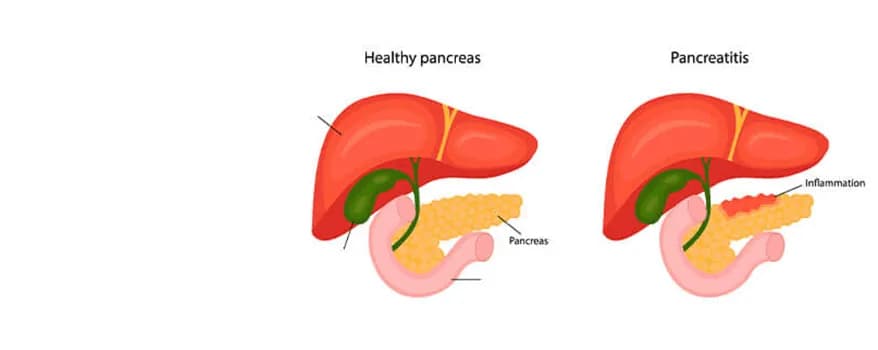
Pancreatitis refers to the inflammation of the pancreas, a crucial gland responsible for aiding digestion and regulating blood sugar levels. This inflammation can result in swelling, pain, and disruptions in organ function.
Situated behind the stomach, the pancreas plays a vital role in the digestive process. However, when inflamed, it can lead to acute or chronic pancreatitis. Acute pancreatitis typically manifests suddenly and resolves relatively quickly, while chronic pancreatitis is a persistent condition characterized by ongoing damage to the pancreas.
While mild cases of acute pancreatitis may improve without intervention, severe cases often necessitate hospitalization and treatment due to the potential for life-threatening complications. Therefore, prompt medical attention is crucial in managing pancreatitis effectively.
There are two primary types of pancreatitis: acute and chronic.
Acute pancreatitis is typically a short-term condition that arises when the pancreas undergoes a brief period of injury. Most individuals with acute pancreatitis recover fully within a few days with appropriate care such as rest, hydration, and pain management. However, severe cases can lead to significant health complications, some of which may be life-threatening.
Chronic pancreatitis is a progressive, long-lasting condition characterized by ongoing damage to the pancreas. Unlike acute pancreatitis, chronic pancreatitis does not resolve and worsens over time. Prolonged inflammation leads to the development of scar tissue in the pancreas (fibrosis), impairing its ability to produce enzymes and hormones. While chronic pancreatitis may take years to manifest, it ultimately damages the pancreas permanently.
Both acute and chronic pancreatitis share several common causes, which include:
Also, elevated levels of calcium or triglyceride (fat) in the bloodstream can contribute to chronic pancreatitis.
Among these causes, gallstones are the most prevalent trigger for acute pancreatitis. Gallstones are small, solid formations that originate from bile, a digestive fluid produced by the liver. When a sizable gallstone becomes lodged at the junction where the central pancreatic duct and the common bile duct meet, it obstructs the flow of digestive enzymes from the pancreas and bile from the liver and gallbladder into the duodenum, the initial segment of the small intestine. This obstruction leads to pancreatic and joint bile duct inflammation, resulting in pancreatitis.
There are several risk factors associated with an increased likelihood of developing pancreatitis, including:
Moreover, smoking or alcohol consumption can heighten the risk of acute pancreatitis progressing to chronic pancreatitis.
Most individuals with acute or chronic pancreatitis typically present with middle-left upper abdominal pain as their primary symptom.
Symptoms of acute pancreatitis include:
Symptoms of chronic pancreatitis include:
Individuals with chronic pancreatitis may also experience steatorrhea, characterized by foul-smelling fatty stools. Steatorrhea indicates malabsorption, wherein essential nutrients are not adequately absorbed due to insufficient secretion of digestive enzymes by the pancreas, leading to incomplete breakdown of food.
Complications of pancreatitis are uncommon but are more frequently observed in individuals with chronic pancreatitis:
In some cases, pancreatitis can lead to the formation of pseudocysts, which occur when tissue and debris accumulate in the pancreas. While some pseudocysts may resolve spontaneously, others may rupture, leading to infections and bleeding. If left untreated, these complications can be life-threatening.
Schedule a consultation with your healthcare provider if you experience sudden or persistent abdominal pain. If the pain is severe and disrupts your ability to find relief or remain still, seek immediate medical attention.

Download Our App


Powered By Docfyn



