
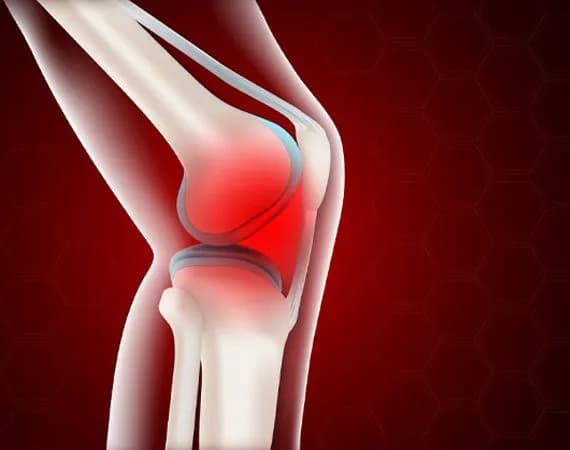
Osteoarthritis (OA), also known as degenerative joint disease, is the most common type of arthritis, affecting millions worldwide. It occurs when the protective cartilage cushioning the ends of bones gradually wears down, leading to bones rubbing against each other during joint movement. This condition most commonly affects the knees, hips, hands, and spine. While osteoarthritis can’t be reversed, its symptoms can often be managed through lifestyle changes and treatments that slow disease progression, reduce pain, and improve joint function. Staying active, maintaining a healthy weight, and seeking appropriate medical care can help individuals manage the effects of osteoarthritis and maintain mobility.
Osteoarthritis occurs due to the gradual deterioration of cartilage, a tough, elastic tissue cushions the bones' ends within a joint. This protective layer allows smooth and pain-free movement of the bones. However, the cartilage progressively wears away with osteoarthritis, leading to bone-on-bone contact. This friction can result in joint pain, stiffness, swelling, and reduced mobility, which worsen over time.
While the exact cause of osteoarthritis remains unclear, researchers have identified several factors that may contribute to cartilage breakdown and the condition's development. These risk factors include:
These risk factors can influence the severity and progression of osteoarthritis, making it essential to adopt lifestyle measures and seek early intervention to manage joint health effectively.
Osteoarthritis symptoms typically develop gradually and worsen over time as joint damage progresses. Common signs and symptoms include:
If you experience persistent joint pain or stiffness that doesn't subside, scheduling an appointment with our doctors for evaluation is essential. Early medical assessment can help identify the underlying cause and ensure timely management to prevent further joint damage or complications.

Download Our App


Powered By Docfyn