
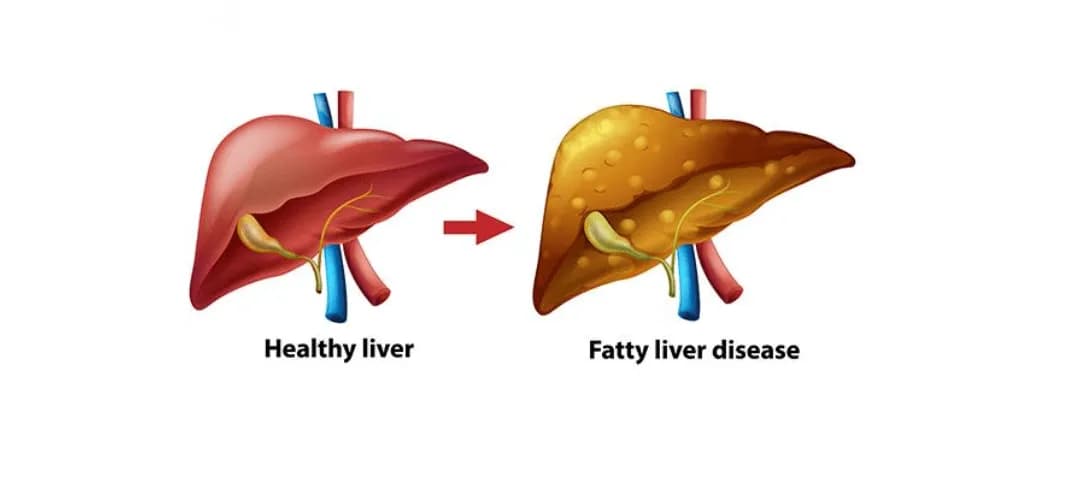
Non-Alcoholic Fatty Liver Disease (NAFLD) is one of the most common liver conditions globally, and it's growing fast in India. The Ministry of Health and Family Welfare (MoHFW), Government of India, has acknowledged the rising public health burden of Non-Alcoholic Fatty Liver Disease (NAFLD) in India. NAFLD affects an estimated 9% to 32% of the Indian population, depending on the region and risk factors like obesity, diabetes, and metabolic syndrome. According to the World Health Organisation (WHO), it affects nearly 1 in 4 people worldwide. NAFLD refers to excess fat buildup in the liver not caused by alcohol. Often silent in its early stages, it can lead to serious complications like liver inflammation, scarring (fibrosis), or even cirrhosis if left untreated. As lifestyle diseases increase due to sedentary habits and poor diets, early awareness and proactive care are critical.
Abdominal pain can manifest in various forms, categorized by its onset and duration:
Acute pain: This type of pain develops rapidly over a few hours or days and may be accompanied by additional symptoms.
Chronic pain: Chronic pain may exhibit intermittent episodes lasting for an extended period, from weeks to months or longer.
Progressive pain: This pain intensifies gradually over time and is often accompanied by other symptoms.
Abdominal pain can stem from various underlying conditions, with the primary causes including:
Infection
Abnormal growths
Inflammation
Obstruction (blockage)
Intestinal disorders
Diseases affecting abdominal organs
Infections in the throat, intestines, or bloodstream can lead to digestive discomfort such as diarrhea or constipation.
Menstrual cramps also contribute to lower abdominal pain, typically linked to pelvic discomfort.
Common culprits include:
Constipation
Diarrhoea
Gastroenteritis (stomach flu)
Acid reflux (heartburn)
Vomiting
Stress
Chronic abdominal pain may be caused by:
GERD
IBS
Crohn’s disease
Lactose intolerance
Severe abdominal pain could indicate:
Organ rupture (e.g., appendicitis)
Gallstones
Kidney infection
Pain localization clues:
Generalized pain: Appendicitis, Crohn’s, trauma
Lower abdomen: Obstruction, ectopic pregnancy
Pelvic pain: Ovarian cysts, menstrual cramps
Upper abdomen: Gallstones, heart attack, hepatitis
Central abdomen: Gastroenteritis, appendicitis
Lower left abdomen: Crohn’s, cancer, ovarian cysts
Upper left abdomen: Enlarged spleen, fecal impaction
Lower right abdomen: Hernia, kidney infection
Upper right abdomen: Hepatitis, pneumonia, appendicitis
Seeking medical attention is crucial for accurate diagnosis and timely abdominal pain treatment, especially if the pain is severe or persistent.
If you're experiencing prolonged or unexplained abdominal pain, it's important to book an appointment.
Meanwhile:
Eat small meals if indigestion is present
Stay hydrated
Avoid painkillers or laxatives unless prescribed
NAFLD refers to excess fat in the liver not caused by alcohol. It's silent early on but may lead to inflammation, fibrosis, or cirrhosis if untreated.
Affects 9–32% of Indians (MoHFW Report)
Nearly 1 in 4 globally (WHO)
Linked to obesity, diabetes, and sedentary habits
Simple fatty liver (steatosis): Fat with minimal inflammation
Non-Alcoholic Steatohepatitis (NASH): Fat, inflammation, and damage that may lead to fibrosis or cirrhosis
Simple Fatty Liver (Steatosis) – Often symptomless
Non-Alcoholic Steatohepatitis (NASH) – Liver inflammation and damage
Fibrosis – Scar tissue formation
Cirrhosis – Irreversible liver damage and dysfunction
Obesity (especially belly fat)
High cholesterol or triglycerides
Unhealthy diet
Sedentary lifestyle
Genetics or family history
Even people with a normal BMI may develop NAFLD due to insulin resistance or high visceral fat.
Fatigue
Upper right abdominal pain
Unexplained weight loss
Weakness
Mild jaundice
Red palms
Swollen abdomen
Enlarged spleen
Call your doctor immediately if you notice:
Severe abdominal pain
Yellowing of the skin or eyes
Abdominal swelling
Confusion
Blood tests: Liver function, lipid profile, HbA1c
Ultrasound or FibroScan
Liver biopsy (rare)
There’s no one-size-fits-all cure, but NAFLD is reversible with:
Lose 5–10% of body weight
Eat a Mediterranean-style diet
Exercise regularly
Avoid sugar, fried foods, and alcohol
Vitamin E (for non-diabetics)
Metformin (for diabetics; limited liver benefit)
Insulin sensitizers
Nutrition clinics
Lifestyle counselling
Advanced diagnostics
Switch to a Mediterranean diet
Avoid sugary beverages
Walk after meals
Manage diabetes and cholesterol
Sleep 7–8 hours
Avoid unnecessary medications
Stay active
Maintain a healthy weight
Eat balanced meals
Get annual health checkups if at risk
Avoid excess red meat and alcohol
NASH
Fibrosis
Liver cancer
Heart disease
Expert hepatologists and dieticians
Round-the-clock emergency services
NABH accreditation
Advanced diagnostics and lifestyle support
High NAFLD reversal success rates
The American Association for the Study of Liver Diseases (AASLD) recommends lifestyle changes as the first-line therapy.
The Indian Council of Medical Research and Ministry of Health and Family Welfare (MoHFW) emphasize that early intervention is key.
World Health Organisation (WHO) notes that NAFLD is rising globally — even in non-drinkers.

Download Our App


Powered By Docfyn