
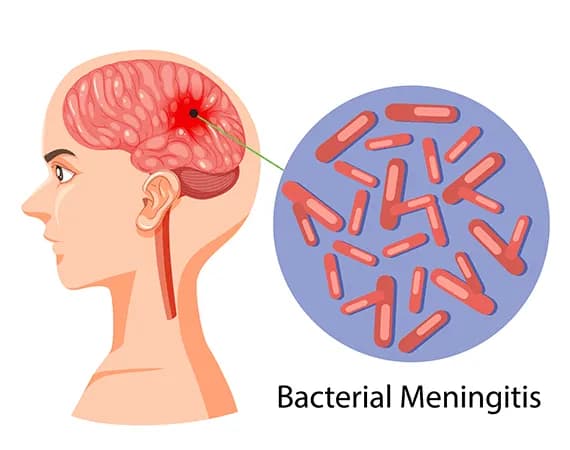
Meningitis is a serious condition that causes inflammation of the protective membranes covering the brain and spinal cord, known as the meninges. It can progress rapidly and may become life-threatening if not diagnosed and treated promptly. This guide provides clear insights into meningitis, its causes, symptoms, diagnostic methods, treatment options, and preventive measures.
Understanding meningitis is crucial for timely medical intervention and reducing the risks of severe complications. At Apex Hospitals, we specialize in advanced care for patients with meningitis, ensuring accurate diagnosis and effective treatment.
Meningitis is a serious condition that causes inflammation of the meninges, the thin protective membranes that cover the brain and spinal cord. When these tissues become swollen due to infection, it can lead to symptoms such as sudden fever, severe headache, and stiffness in the neck.
Different factors can trigger the illness. Viral infections are the most common cause, while bacterial, fungal, and parasitic infections can also lead to meningitis. In some cases, it may even be linked to injuries, certain medications, or underlying diseases like cancer. Viral meningitis is generally milder and may resolve on its own within a few weeks, especially in children. However, bacterial meningitis is a medical emergency that requires urgent antibiotic treatment to prevent severe complications or even death.
Anyone can develop meningitis, but it tends to occur more often in babies, young children, teenagers, and young adults. If not treated promptly, meningitis can cause life-threatening sepsis, permanent brain damage, or long-term nerve problems. Since it is often difficult to distinguish viral from bacterial meningitis based on symptoms alone, seeking medical attention immediately is crucial.
Fortunately, vaccines are available that protect against several types of bacterial meningitis. Practising good hygiene, staying up to date with immunisations, and seeking timely medical care are crucial steps in reducing the risks associated with this disease.
The symptoms of meningitis can develop suddenly and progress quickly, making it a medical emergency. While the exact signs may vary depending on the cause (bacterial, viral, fungal), some common symptoms include:
- Meningitis can look different in infants and toddlers. They may show:
When to seek help: If you or your child develops sudden fever, headache, and a stiff neck, seek medical care immediately. Quick diagnosis and treatment can save lives and prevent long-term complications.
Diagnosing meningitis usually begins with a detailed medical history and a physical examination. During this exam, doctors often check for fever, skin changes, rapid heartbeat, neck stiffness, and changes in alertness. Since these signs can overlap with other conditions, further tests are done to confirm meningitis and find its exact cause.
The treatment of meningitis depends on its cause. Because the illness can progress quickly, starting the right treatment as early as possible is very important.
Bacterial meningitis is a medical emergency and requires immediate treatment. Doctors usually give intravenous (IV) antibiotics, sometimes along with corticosteroids, to reduce brain swelling and prevent complications like seizures.
The choice of antibiotic depends on the exact bacteria causing the infection. Until test results confirm the germ, doctors often begin with broad-spectrum antibiotics that work against multiple bacteria. If seizures occur, anti-seizure medicines may also be prescribed.
In cases linked to the herpes virus, antiviral drugs may be added.
Unlike the bacterial type, viral meningitis usually improves on its own within a few weeks. Antibiotics are not effective here. Treatment mainly focuses on rest and comfort, which may include:
Fungal meningitis is treated with antifungal medications.
Tuberculous meningitis requires a long course of antibiotics, often several months. Because these medicines may have side effects, treatment usually starts after lab confirmation.
Chronic meningitis (lasting over weeks or months) is treated depending on the underlying cause.
If meningitis is related to an autoimmune condition or an allergic reaction, corticosteroids may be used.
In some mild cases, meningitis can resolve without treatment.
Cancer-related meningitis requires treatment of the cancer itself.
- Preventing meningitis involves:
- Untreated meningitis can lead to severe outcomes:
Expert team led by experienced neurologists and infectious disease specialists
Meningitis is a medical emergency that demands prompt recognition and treatment. Awareness of symptoms, timely diagnosis, and proper care are key to reducing complications. At Apex Hospitals, our advanced facilities and expert medical teams ensure patients receive comprehensive care. If you or a loved one experiences symptoms of meningitis, book a consultation today to ensure immediate attention and treatment.

Download Our App


Powered By Docfyn