
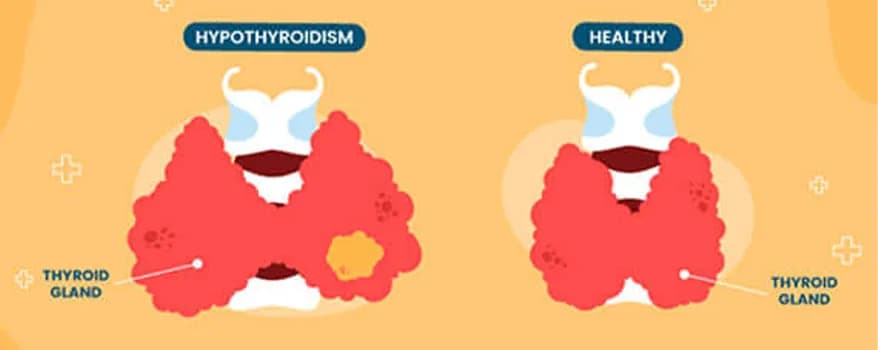
Hypothyroidism occurs when the thyroid gland fails to produce adequate thyroid hormone, also known as an underactive thyroid. In its early stages, hypothyroidism may not manifest noticeable symptoms. However, if left untreated, it can give rise to various health complications, including elevated cholesterol levels and heart issues.
Diagnosis of hypothyroidism typically involves blood tests to assess thyroid hormone levels. Treatment normally consists of thyroid hormone replacement therapy, which is generally straightforward, safe, and effective once the appropriate dosage is determined in consultation with your healthcare provider.
Hypothyroidism may stem from either a primary cause, directly affecting the thyroid gland's ability to produce sufficient thyroid hormones, or a secondary cause, leading to dysfunction of the pituitary gland's secretion of thyroid stimulating hormone (TSH).
Other primary causes of hypothyroidism encompass:
In certain instances, thyroiditis may develop following pregnancy (postpartum thyroiditis) or viral infections.
Risk factors that may elevate the likelihood of developing hypothyroidism comprise:
The manifestations of hypothyroidism can vary widely among individuals and may be challenging to discern. Additionally, the severity of the condition influences the emergence and timing of signs and symptoms.
Initial symptoms may encompass weight gain and fatigue. Notably, these manifestations become more prevalent with age, irrespective of thyroid health. Consequently, one might only attribute these changes to thyroid dysfunction once further symptoms manifest. These may include skin alterations such as dry, scaly, or rough skin and brittle nails commonly associated with hypothyroidism.
Typically, the most frequent signs and symptoms of hypothyroidism encompass:
Symptoms evolve gradually over several years for most individuals as thyroid function declines further, making them more discernible. However, it's important to note that many symptoms become more prevalent with age, regardless of thyroid status. If hypothyroidism is suspected, consulting a healthcare provider is advisable. A blood test can confirm the diagnosis.
Additionally, research indicates that hypothyroidism symptoms in men may include erectile dysfunction, while women may experience fertility issues, irregular menstrual periods, or complications during pregnancy.
Although less common, hypothyroidism can affect young individuals, leading to delayed development in children or premature puberty in adolescents. Newborns may also exhibit congenital hypothyroidism, presenting symptoms such as excessive sleepiness, constipation, feeding difficulties, or impaired growth if left untreated.
Untreated hypothyroidism can lead to further complications, including a puffy face, hoarseness, anaemia, or hearing loss. In rare cases, severe hypothyroidism may progress to myxoedema coma, a critical condition necessitating emergency medical attention and characterized by symptoms such as profound fatigue, hypothermia, low blood pressure, and a decreased heart rate.
Hypothyroidism can lead to various complications, including:
Seek medical attention from your healthcare provider if you experience unexplained fatigue or exhibit other symptoms associated with hypothyroidism.
If you're undergoing treatment with thyroid hormone medication for hypothyroidism, adhere to your healthcare provider's guidance regarding the frequency of medical appointments. Initially, regular visits may be necessary to ensure optimal dosage adjustment. As treatment progresses, periodic check-ups will enable your healthcare provider to monitor your condition and medication effectively.

Download Our App


Powered By Docfyn