
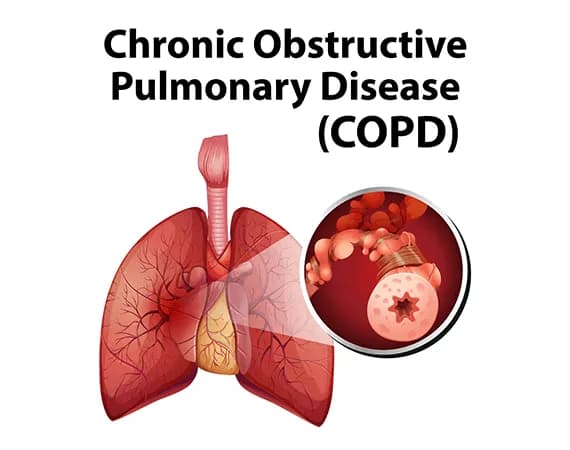
Chronic Obstructive Pulmonary Disease, commonly known as COPD, is a long-term lung condition that interferes with normal breathing. It results from damage to the lungs, causing persistent inflammation and narrowing of the airways. This leads to restricted airflow, often described as an obstruction, making it difficult to breathe.
COPD typically develops after long-term exposure to lung irritants such as smoke, air pollution, chemical fumes, or dust. However, cigarette smoking remains the leading cause of the condition worldwide. While many individuals affected are middle-aged or older adults who smoke or have smoked in the past, some may be unaware they have COPD until symptoms significantly worsen.
Do you find yourself breathless after climbing just a few stairs? Or struggle with a persistent cough that won’t go away? These may be more than just signs of aging—they could point to Chronic Obstructive Pulmonary Disease (COPD), a serious yet manageable lung condition.
At Apex Hospitals, we regularly treat patients with COPD, helping them breathe easier and live healthier lives.
COPD is a long-term lung condition that interferes with normal breathing. It results from damage to the lungs, causing persistent inflammation and narrowing of the airways. This leads to restricted airflow, often described as an obstruction, making it difficult to breathe.
While smoking is the leading cause, other irritants like air pollution, dust, and chemical fumes also contribute. Many individuals don’t realize they have COPD until symptoms worsen significantly.
COPD includes two main respiratory conditions:
These conditions often coexist and vary in severity from person to person.
Symptoms develop gradually and worsen over time. Key signs include:
If unmanaged, COPD can lead to:
Seek urgent care if you experience:
These could indicate respiratory failure or infection.
Book Emergency Consultation at Apex Hospitals
Diagnosis includes:
Treatment depends on severity and flare-up frequency. Goals: reduce symptoms, slow disease progression, and improve life quality.
The most critical step. Continued smoking worsens lung damage. Support includes:
Delivered primarily via inhalers or nebulizers:
Supplemental oxygen improves quality and length of life. Options include:
A personalized program offering:
This improves stamina and reduces hospital readmissions.
Home-based devices like BiPAP support breathing in severe COPD. Benefits include:
Sudden worsening of symptoms is called an exacerbation, often triggered by infection or pollution.
- Corticosteroids and antibiotics
- Supplemental oxygen
- Possible hospitalization
COPD is chronic, but highly manageable. With timely diagnosis, smoking cessation, and the right treatment, patients can enjoy a longer, healthier life.
If you or a loved one experiences COPD symptoms, contact our healthcare providers today for a full evaluation and care plan.
According to the Global Initiative for Chronic Obstructive Lung Disease (GOLD):

Download Our App


Powered By Docfyn