
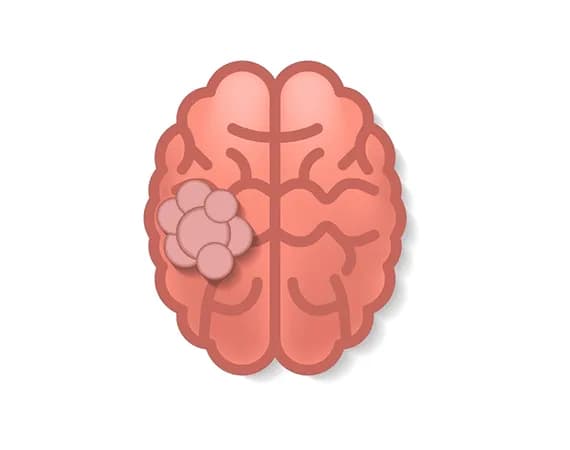
At Apex Hospitals, we understand the complexity of brain tumours and offer comprehensive care from diagnosis to rehabilitation, supported by a team of neurologists, neurosurgeons, and oncologists.
A brain tumour is an abnormal growth of cells that develops either within the brain or in nearby structures such as the nerves, pituitary gland, pineal gland, or the meninges (the membranes covering the brain). These tumours may arise directly from the brain itself, referred to as primary brain tumours, or may spread from other parts of the body, known as secondary or metastatic brain tumours.
Brain tumours can be either benign (noncancerous) or malignant (cancerous). Benign tumours typically grow slowly and may not spread, but they can still exert pressure on vital brain structures and affect function. Malignant tumours, on the other hand, grow more aggressively and can invade surrounding brain tissue, making them more dangerous.
The size and impact of a brain tumour can vary greatly. Some tumours are detected early due to noticeable symptoms, especially if they develop in highly active regions of the brain. Others may remain unnoticed for a long time if they arise in less active areas, only coming to light once they grow large enough to cause pressure-related symptoms.
It's important to note that even noncancerous tumours can cause serious neurological problems depending on their location and size. Tumours that originate in the brain or spinal cord are collectively called central nervous system (CNS) tumours.
Common symptoms of brain tumours include persistent headaches, vision or hearing problems, balance issues, changes in memory or behaviour, and seizures. Because the brain controls so many vital functions, even small tumours can have significant effects.
According to WHO, brain tumours are among the top 10 causes of cancer-related deaths in India.
The exact cause of most brain tumours is still unknown. However, certain genetic, environmental, and lifestyle-related factors may increase the risk of developing a brain tumour. While having one or more of these risk factors doesn’t guarantee you will develop a tumour, being aware of them can help with early diagnosis and monitoring.
Genetic mutations: Changes in DNA can cause cells in the brain to grow abnormally and form a tumour.
Family history: A small percentage of brain tumours are linked to inherited genetic conditions.
Radiation exposure: People exposed to ionizing radiation, such as previous radiation therapy to the head, may have a higher risk.
Immune system disorders: Individuals with weakened immune systems (e.g., HIV/AIDS or those on immunosuppressive drugs) have a slightly higher chance of developing certain brain tumours like primary CNS lymphoma.
Age: Brain tumours can occur at any age, but are more common in older adults. Some types, however, are more prevalent in children.
Gender: Some brain tumours are more common in men (like glioblastomas), while others (like meningiomas) are more often seen in women.
Exposure to chemicals: Long-term exposure to hazardous industrial chemicals or solvents may increase risk, though studies are inconclusive.
Previous cancers: People who have had cancer elsewhere in the body are at greater risk for metastatic brain tumours (secondary brain tumours).
Head injuries: While the link is still under research, some studies suggest a possible association between head trauma and the development of brain tumours.
Not everyone with risk factors will develop a brain tumour, and people without any known risks may still be diagnosed. That’s why regular health checkups and attention to persistent neurological symptoms are crucial.
The symptoms of a brain tumour can vary greatly depending on its size, location, and growth rate. Some tumours cause symptoms very early, while others may remain unnoticed for months. Because the brain controls so many vital functions, even a small tumour can produce noticeable effects.
Persistent headaches Especially worse in the morning or while coughing, sneezing, or straining.
Seizures (fits) Sudden, uncontrolled electrical activity in the brain—even in people with no prior history of epilepsy.
Nausea and vomiting Often associated with increased pressure inside the skull (intracranial pressure).
Changes in vision Blurred vision, double vision, or loss of peripheral vision, especially if the tumour is near the optic nerves.
Hearing problems Ringing in the ears or hearing loss may occur with tumours near the auditory nerves.
Loss of balance or coordination Difficulty walking or performing fine motor tasks.
Weakness or numbness Often on one side of the body, arms, legs, or face, depending on the affected brain region.
Personality or behaviour changes Increased irritability, confusion, memory problems, or changes in judgment.
Speech difficulties Trouble speaking, slurred speech, or difficulty understanding language.
Fatigue or excessive sleepiness Often seen with larger tumours that increase pressure on brain structures.
Seek urgent medical attention if you experience:
A sudden seizure
Unexplained, severe headache with vision changes
Rapid loss of coordination or consciousness
New neurological symptoms like difficulty speaking or understanding
Early detection can significantly improve outcomes. If you or someone you know shows persistent symptoms, consult a neurologist or visit a specialised facility like Apex Hospitals without delay.
Detecting a brain tumour involves a combination of clinical evaluation, neurological exams, and advanced imaging techniques. If a tumour is suspected, doctors use several steps to accurately determine its presence, size, type, and location.
Your doctor will begin by asking detailed questions about:
The nature and duration of your symptoms (e.g., headaches, seizures, vision problems).
Family history of brain tumours or cancer.
Any prior exposure to radiation or cancer treatment.
A neurologist will assess brain and nerve function, checking for:
Reflexes
Muscle strength and coordination
Eye movements and vision
Hearing, speech, and cognitive abilities
Any abnormalities in these areas may help pinpoint the affected part of the brain.
These are the most crucial tools for diagnosing a brain tumour:
MRI (Magnetic Resonance Imaging) The gold standard for brain tumour detection. It provides detailed images of the brain and can identify size, location, and potential tumour type.
CT scan (Computed Tomography) Often used in emergencies or when an MRI is not available. It quickly detects bleeding, swelling, and masses.
MR Spectroscopy & Perfusion Scans These advanced tools assess the chemical profile and blood supply to the tumour.
If imaging confirms a tumour, a biopsy may be required to determine whether it’s benign (non-cancerous) or malignant (cancerous). Types include:
Stereotactic Needle Biopsy – minimally invasive, guided by imaging.
Open Surgical Biopsy – done during surgery to remove the tumour.
Depending on symptoms or findings, additional tests may be done:
Lumbar Puncture (Spinal Tap) – to check for cancer cells in cerebrospinal fluid (mainly in suspected CNS lymphoma or metastatic cases).
Blood Tests – to assess general health or tumour markers (rarely used for brain tumours directly).
Early diagnosis is key to better treatment outcomes. If you experience persistent neurological symptoms, don’t delay in consulting a neurologist or visiting a specialised centre like Apex Hospitals, which is equipped with advanced neuroimaging and expert neurosurgical teams.
The treatment plan for a brain tumour depends on various factors such as the type of tumour (benign or malignant), location, size, growth rate, and your overall health. Some brain tumours may require immediate surgery, while others are monitored over time. Treatment typically involves a multidisciplinary team including neurosurgeons, oncologists, radiologists, and neurologists.
Surgery Surgical removal is often the first-line treatment, especially for tumours that are accessible and causing symptoms. The goal is to remove as much of the tumour as safely possible without damaging surrounding brain tissue.
Craniotomy: Traditional open brain surgery to remove the tumour.
Minimally Invasive Neurosurgery: Used in select cases with the help of image-guided tools.
Awake Surgery: For tumours near functional brain areas like speech or movement centres.
Surgery also allows for biopsy and grading, which is vital for treatment planning.
Radiation Therapy This uses high-energy rays to destroy tumour cells or prevent them from growing. It's often used:
After surgery to kill remaining cells.
As the primary treatment when surgery isn’t possible.
For recurrent or metastatic brain tumours.
Chemotherapy Chemotherapy uses drugs to destroy cancerous cells or slow their growth. It can be taken orally, intravenously, or even directly into the cerebrospinal fluid. Side effects depend on the specific drug and dosage, including fatigue, nausea, or lowered immunity.
Targeted Therapy & Immunotherapy These newer therapies focus on blocking specific molecules that help tumours grow.
Targeted therapy: Attacks cancer cell pathways.
Immunotherapy: Boosts the immune system to fight tumour cells (still under clinical research for brain tumours).
Supportive & Palliative Care Even when a cure isn’t possible, managing symptoms and improving quality of life is a key part of treatment. Supportive care may include:
Anti-seizure medications
Steroids to reduce swelling
Pain management
Physiotherapy and occupational therapy
Recovering from a brain tumour requires physical and emotional care.
Follow up regularly with your neuro-oncology team
Take prescribed medications on time
Practice light exercise (as advised)
Eat a balanced, antioxidant-rich diet
Prioritise rest and mental health
Avoid activities that trigger seizures
While not all brain tumours are preventable, some strategies may reduce your risk:
Avoid exposure to known carcinogens
Wear helmets when biking or riding
Treat underlying health issues like HIV
Maintain a strong immune system
Get genetic counselling if a brain tumour runs in the family
Delaying treatment for a brain tumour can lead to serious consequences:
Progressive neurological damage
Increased intracranial pressure
Paralysis or loss of motor function
Vision or hearing loss
Coma or death in extreme cases
NABH-accredited facilities with advanced neurosurgical theatres
24×7 neuro ICU and trauma care
In-house diagnostics, CT/MRI, EEG , and biopsy
Team of experienced neurosurgeons, oncologists, and rehab experts
Our units are fully equipped to handle complex brain tumour cases with care and confidence.
“Early intervention in brain tumours is crucial. At Apex, we focus on precise diagnostics and minimally invasive solutions that give patients the best chance of recovery.”
– Dr. Deepak Kumar Bariya, Consultant – Neurosurgery
Brain tumours can be frightening, but timely diagnosis and expert care can make all the difference. From advanced scans to complex surgeries, Apex Hospitals offers complete support every step of the way. If you or a loved one is showing symptoms, don’t wait; book a neurology consultation today.

Download Our App


Powered By Docfyn