
By Apex Hospitals 2nd May, 2026
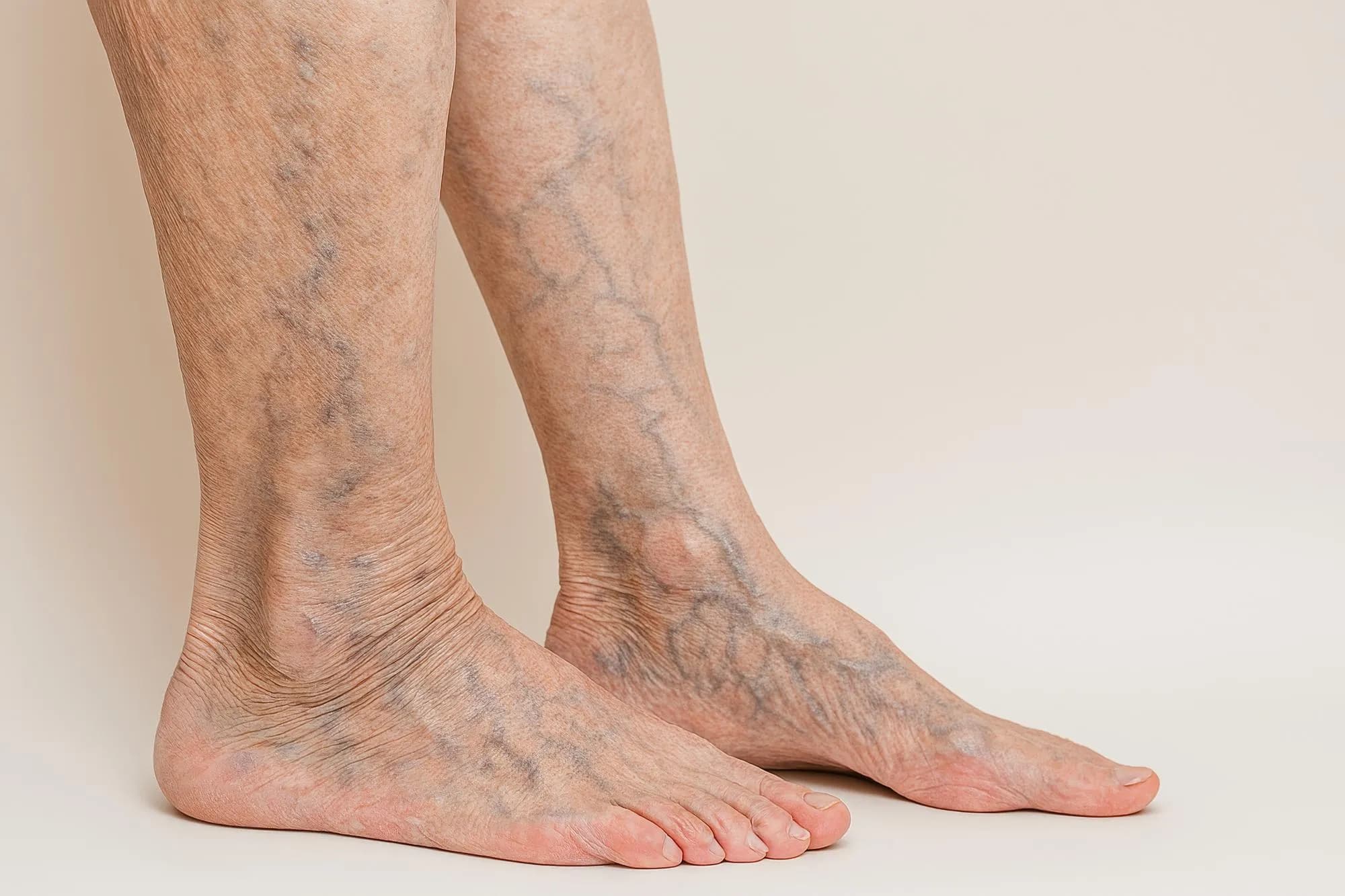
You notice a swollen ankle. Or a rope-like vein bulging on your calf. Or your leg feels heavy and tired at the end of the day. Most people brush it off, "It's just a vein problem. It'll go away."
It won't.
Vascular disease is one of the most underestimated conditions in medicine. What begins as a minor symptom in a leg or arm can silently progress to limb loss, stroke, or a life-threatening rupture, often without any dramatic warning.
This blog explains what vascular disease really is, why it's far more serious than most people realise, and when you need to see a specialist.
Your vascular system is a network of blood vessels, arteries, veins, and capillaries, that carries blood to and from every organ in your body. When any part of this network is diseased, blocked, weakened, or damaged, it is called vascular disease.
Vascular disease is not one condition. It is an umbrella term that includes:
The veins in your legs are not isolated structures. They are part of a system, and when that system fails, the consequences can spread far beyond the leg.
Many people live with varicose veins for years, assuming they are only a cosmetic issue. But untreated varicose veins cause a progressive condition called Chronic Venous Insufficiency, where blood pools in the legs. Over time, this leads to skin discolouration, hardening of tissue, and eventually venous leg ulcers, open sores that are slow to heal and highly prone to infection.
In some cases, varicose veins can also cause superficial thrombophlebitis, a clot in the surface veins, which may extend into the deep venous system and become a life-threatening Deep Vein Thrombosis.
Deep Vein Thrombosis is a blood clot in the deep veins, most commonly in the leg. Many people do not know they have it until something goes wrong.
If a clot breaks free and travels to the lungs, it causes a Pulmonary Embolism, a medical emergency that can be fatal within minutes. DVT-related pulmonary embolism is one of the leading causes of preventable death in hospitalised patients worldwide.
PAD occurs when atherosclerosis, the buildup of plaque, narrows the arteries supplying the legs. In its early stages, it may cause cramping while walking (a symptom called claudication). Many people assume this is normal aging or a muscle problem.
Left untreated, PAD progresses to critical limb ischaemia, a condition where the foot or leg does not receive enough blood to survive. This leads to non-healing wounds, gangrene, and ultimately, amputation. In India, diabetes dramatically accelerates this risk.
The carotid arteries run on either side of your neck and supply blood to the brain. When these narrow due to plaque buildup, small clots can break off and travel to the brain, causing a stroke. Many patients have no symptoms before their first stroke event. Screening and early intervention, through procedures like carotid endarterectomy or stenting, can significantly reduce this risk.
The aorta is the largest artery in the body. An aortic aneurysm is a bulge in its wall, like a weak spot in a balloon. Most patients feel nothing until it ruptures. A ruptured aortic aneurysm has a mortality rate of over 80%. The good news: when detected early, it can be treated with minimally invasive endovascular repair (EVAR) with very low risk.
Vascular disease does not discriminate, but certain factors significantly increase your risk:
Vascular disease is often called a 'silent' condition because symptoms develop slowly and are frequently dismissed. Watch for these warning signs:
A vascular specialist will assess your symptoms and risk factors and may recommend:
Modern vascular surgery has transformed significantly. Many conditions that once required major open surgery can now be treated through minimally invasive endovascular techniques, smaller incisions, faster recovery, and lower risk.
In many cases, yes, especially when risk factors are managed early. Key prevention steps include:
If you are over 65 or have risk factors, ask your doctor about a vascular screening
Vascular disease is not a minor inconvenience. It is a progressive, potentially life-threatening condition that can affect your heart, brain, kidneys, and limbs, often with very little warning.
The good news is that when diagnosed early and treated by an experienced vascular specialist, most vascular conditions can be managed effectively, often without major surgery.
Do not wait for a crisis. If you or a family member has risk factors or early symptoms, a vascular consultation today could prevent a catastrophe tomorrow.
At Apex Hospitals, our Vascular & Endovascular Surgery department is equipped with advanced imaging and interventional facilities to diagnose and treat the full range of vascular conditions, from varicose veins to complex aortic aneurysms.
Book a consultation today. Early diagnosis saves lives, and limbs.

Download Our App


Powered By Docfyn