
By Apex Hospitals, 19th May, 2025
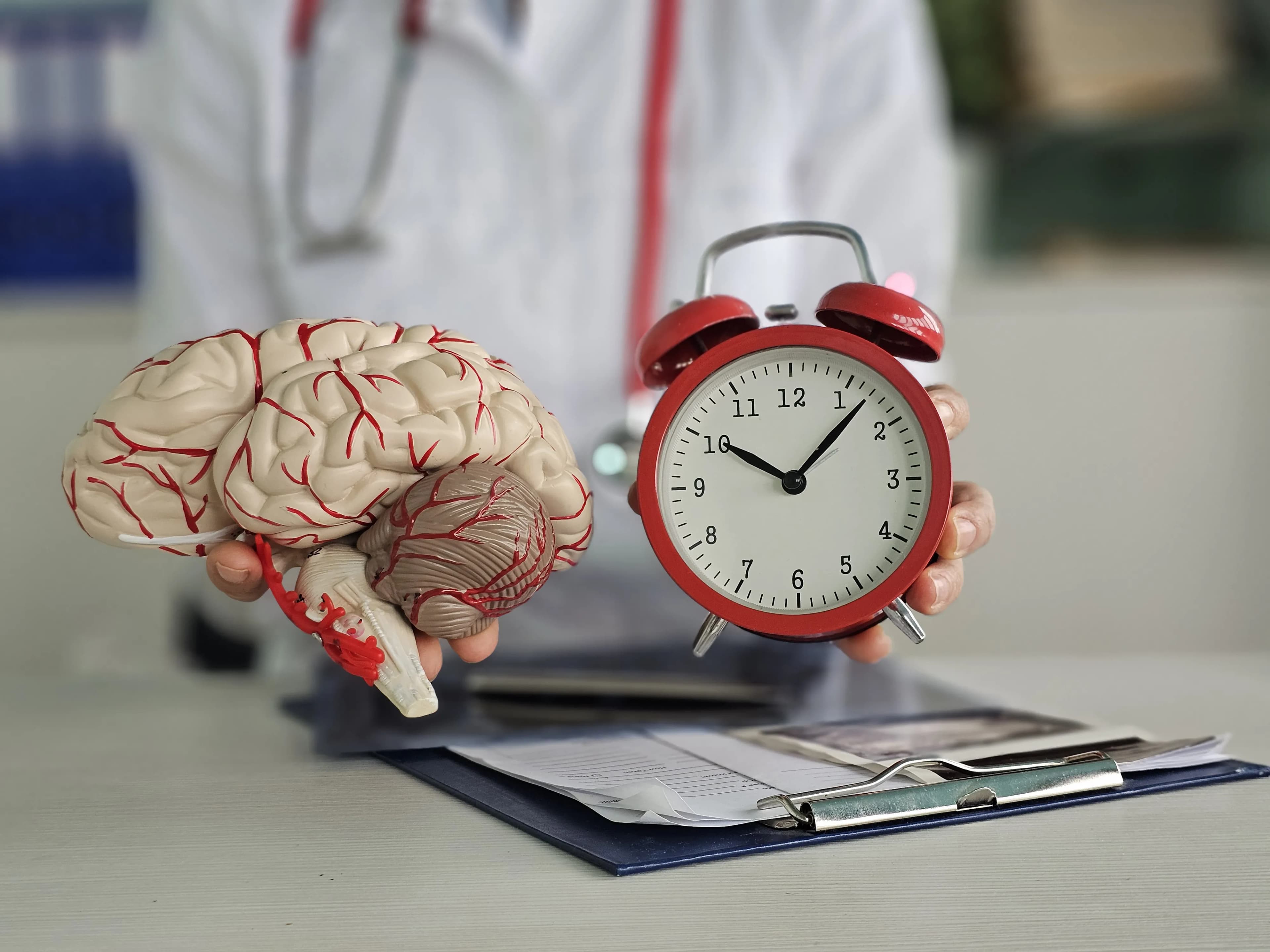
A brain injury can happen in seconds, a fall, a road accident, a sudden blow to the head. But what happens in the next 60 minutes can determine whether a person recovers fully, lives with lasting disability, or does not survive at all. In medicine, this window is called the Golden Hour.
If you or someone around you experiences a head injury, understanding why immediate medical attention matters, and where to go, can save a life.
The term "Golden Hour" refers to the critical period immediately following a traumatic brain injury (TBI) during which prompt medical treatment is most likely to prevent death or permanent damage.
When the brain suffers trauma, two things begin to happen simultaneously:
While the primary injury happens in an instant, secondary injury unfolds over minutes to hours. This is the window where medical intervention makes the greatest difference.
The brain is enclosed within a rigid skull. Any bleeding or swelling inside this enclosed space raises intracranial pressure (ICP) rapidly.
As pressure rises, blood flow to the brain decreases. Brain cells begin to die within minutes when deprived of oxygen. The longer this continues, the greater the damage to speech, memory, movement, cognition, and vital functions.
Common secondary injury processes include:
Each of these can be treated — but only if the patient reaches a fully equipped hospital in time.
Many people make the mistake of assuming a head injury is minor because the person is conscious or appears alert immediately after. This is dangerous. Symptoms can worsen rapidly within the first hour.
Seek emergency care immediately if the person shows any of the following:
Do not give the person food or water. Do not move them unnecessarily. Call for emergency help and get them to the hospital as quickly as possible.
When a patient with a suspected brain injury arrives at a hospital emergency department, a trained team acts quickly on multiple fronts:
1. Stabilisation The first priority is securing the airway, breathing, and circulation. An unstable patient cannot undergo imaging or surgery safely.
2. CT Scan A CT scan of the brain is done urgently to identify bleeding, swelling, skull fractures, or any structural damage. This guides all further decisions. Time from arrival to CT scan matters enormously.
3. ICP Monitoring and Management If intracranial pressure is elevated, medications and positioning are used to bring it down. In severe cases, surgical intervention may be required — such as draining blood or relieving pressure on the brain.
4. ICU Admission and Monitoring Moderate to severe TBI patients are admitted to the Intensive Care Unit for continuous monitoring of neurological status, blood pressure, oxygen levels, and brain pressure. Round-the-clock care during the first 24 to 72 hours is critical.
Not every hospital is equipped to handle traumatic brain injuries. Managing a serious TBI requires:
Delays caused by going to an under-equipped facility, and then being transferred, cost precious time that cannot be recovered.
Children's brains are still developing, making them particularly vulnerable after head trauma. A child may seem fine initially but deteriorate quickly. Any significant head impact in a child, from a fall, a road accident, or a sports injury, should be evaluated by a doctor without delay.
At Apex Hospitals, our emergency department is operational 24 hours a day, seven days a week. We have CT scan facilities on-site, experienced neurology specialists, ICU beds with continuous monitoring, and operation theatres ready for emergencies.
In a brain injury emergency, minutes matter. Book your appointment.

Download Our App


Powered By Docfyn