
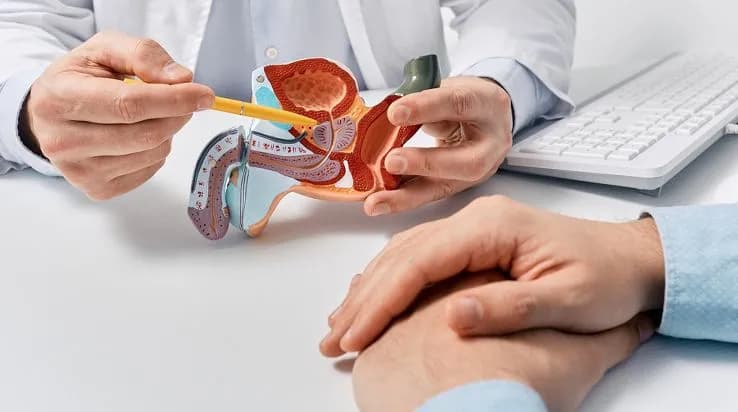
Men’s health deserves as much attention as women’s, and adopting proactive measures can significantly enhance overall well-being and longevity. Prioritizing regular preventive care is a crucial aspect of maintaining good health.
Prostate health is vital to overall health, an overlooked but essential component of men’s wellness. Routine prostate checkups are crucial, as early detection of potential issues can lead to more effective treatments, improved outcomes, and a better quality of life.
By taking charge of their health and scheduling regular screenings, men can enjoy longer, healthier, and more fulfilling lives.
The prostate gland, a small, walnut-shaped organ located below the bladder and in front of the rectum, plays a critical role in male reproductive health. It produces seminal fluid, which nourishes and helps transport sperm, making it essential for reproduction.
Prostate health is a significant concern for men, especially with age. Prostate cancer, the second most common cancer in men after skin cancer, affects about 1 in 8 men during their lifetime. Additionally, over 90% of men aged 80 or older experience an enlarged prostate.
Prostate cancer begins when abnormal cells grow uncontrollably in the gland. Early stages often present no symptoms, making regular screenings essential for detection. Advanced prostate cancer, however, may cause symptoms such as blood in semen, pelvic pain, or urinary issues. If left undiagnosed and untreated, it becomes harder to manage effectively.
Routine prostate exams are the best defence against late-stage prostate cancer. Detecting the disease in its early stages, when it is still localized, dramatically improves treatment outcomes and survival rates. Regular screenings should be integral to every man’s healthcare routine, ensuring timely intervention and a better quality of life.
Certain factors increase the likelihood of developing prostate cancer:
Prostate cancer screening is a vital part of maintaining men’s health, with recommendations varying based on age and risk factors. The American Cancer Society suggests that men begin screenings at age 50. However, men at higher risk—such as African American men or those with a family history of prostate cancer—should consider starting at age 45. Most experts recommend scheduling a prostate exam every three to five years.
Follow-Up Tests for Abnormal Results
If a screening test reveals abnormalities, further diagnostic tests may be needed:
Understanding Screening Limitations
Prostate screening tests are valuable but not foolproof, as they may sometimes yield unclear or inaccurate results. It's important to discuss the benefits and potential risks of screening with your doctor, who can tailor recommendations based on your individual health needs.
Even if prostate cancer isn’t a concern, a prostate exam offers valuable insights into your overall health. These exams help detect other prostate-related conditions, such as benign prostatic hyperplasia (BPH), also known as an enlarged prostate and prostatitis. Early detection allows for timely treatment, helping to protect and enhance your well-being at any age.
Prostate health becomes increasingly important as men age. Stay proactive—schedule your next prostate exam at Apex Hospitals today. Call us or reach out online to take the next step toward better health.


Download Our App


Powered By Docfyn