
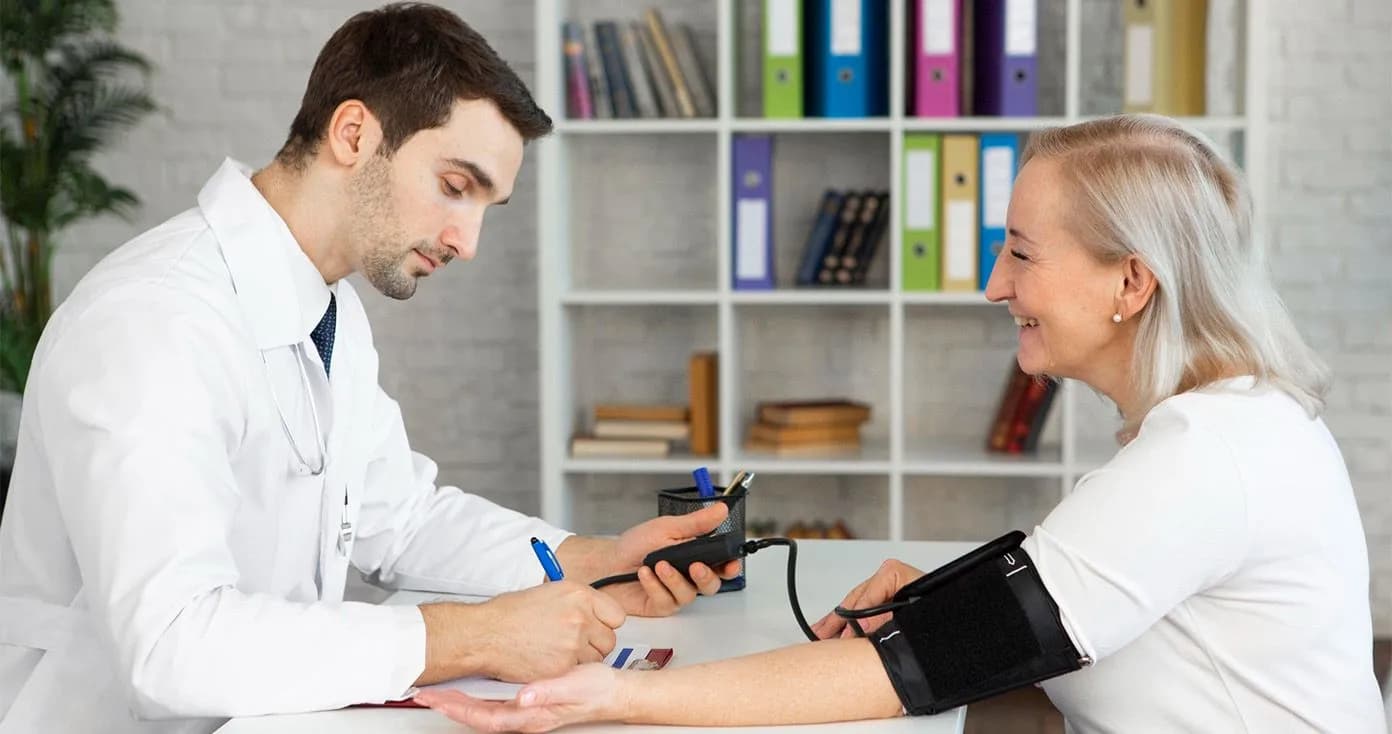
Turning 30 is more than just a milestone; it’s a wake-up call. It marks a shift in how we view our health, not as something to react to, but as something to protect actively. While youth give us the illusion of invincibility, our 30s are when silent health issues can take root, often without any warning signs. Late nights start catching up, metabolism slows down, and hereditary risks become more real. You might feel perfectly fine, but beneath the surface, conditions like high blood pressure, diabetes, thyroid disorders, or early signs of heart disease can quietly progress.
This is where preventive health check-ups step in, not as a luxury, but as a wise, essential investment in your long-term well-being. These check-ups are not just routine tests but proactive tools to detect health risks early, track vital parameters, and build a strong baseline for future health. Whether it’s assessing cholesterol, catching early signs of lifestyle diseases, or identifying vitamin deficiencies, a timely screening can make all the difference.
After 30, your health is no longer something to take for granted; it’s something to nurture, monitor, and prioritise. So, why wait for a red flag when you can stay one step ahead? In this blog, we explore why preventive health check-ups are crucial after 30 and how they empower you to take charge of your health journey confidently and clearly.
Preventive health care is a proactive approach to maintaining health and well-being by identifying potential health risks early and preventing disease onset. Rather than waiting for symptoms to appear or illness to strike, preventive care emphasizes early detection, routine monitoring, and lifestyle management. This allows individuals and healthcare providers to address health issues before they become severe or life-threatening.
A central aspect of preventive health care is regular health check-ups, which include screenings for conditions such as high blood pressure, diabetes, cholesterol imbalances, and certain types of cancer. These tests can detect warning signs early, often before any symptoms are felt, giving individuals a better chance at effective treatment and recovery. For example, catching high blood sugar levels early can prevent the progression to full-blown diabetes.
Preventive care also includes vaccinations, which protect individuals from infectious diseases, and lifestyle counselling to encourage healthy habits such as balanced nutrition, regular physical activity, stress management, and avoiding harmful behaviours like smoking or excessive alcohol consumption.
Ultimately, preventive health care is about taking control of your health and investing in your future well-being. Individuals can reduce healthcare costs, avoid complications, and enjoy a longer, healthier life by prioritising prevention.
In India, regular health check-ups are often overlooked despite their critical role in early disease detection and prevention. Most people who do go for screenings tend to do so only after being diagnosed with a chronic illness, using them to manage existing conditions rather than prevent new ones from emerging. Unfortunately, preventive care is still not a widely adopted mindset.
There are a few common reasons behind this hesitancy. For many, healthcare is considered unnecessary unless there's a pressing issue. Others only seek medical help when symptoms become severe. Then there's the widespread lack of awareness; many don't know the importance of routine check-ups or fear what the results might reveal. Social stigma, limited education about preventive care, and access barriers further compound the problem.
But here's the truth: most serious illnesses begin silently. Conditions like hypertension, diabetes, or early-stage cancer can develop without showing any symptoms for years. By the time signs surface, the damage may already be significant. Regular check-ups help catch these issues in their early stages when they're easiest to treat and far less costly financially and physically.
The belief that "if I feel fine, I must be fine" is a dangerous misconception. Early detection can prevent complications that often lead to hospitalisations or long-term treatments. A simple blood test or scan today might save someone from a medical emergency tomorrow.
It's time to shift our thinking about health from a reactive to a proactive approach. Investing in regular check-ups isn't just about catching disease; it's about preserving the quality of life. When we treat our health as a priority, not an afterthought, we empower ourselves to live fuller, healthier lives.
A preventive health checkup is essential because it helps identify potential health issues early, even before symptoms appear. Here are several reasons why it's crucial:
Improved Quality of Life: Avoiding potential health issues can prevent complications later in life, leading to a better and longer quality of life.
It is essential to include annual tests for Vitamin D and calcium to ensure they are within the recommended levels. These preventive health tests play a crucial role in identifying potential health issues in their early stages, allowing for timely treatment or even complete recovery. Early detection prevents unnecessary suffering and possible loss of life and helps avoid significant financial costs associated with advanced therapies.
For those over 30, visiting a nearby multispecialty hospital for these crucial tests is highly recommended.
Apex Hospitals provides comprehensive preventive health check-ups packages tailored to meet the needs of different age groups. With state-of-the-art technology and exceptional services, Apex Hospitals offers the perfect opportunity to take charge of your health and embrace a positive lifestyle. Book your preventive health check-up today and invest in your well-being!


Download Our App


Powered By Docfyn