
Blood transfusions are one of the most remarkable medical advancements in history, yet many people know little about them beyond what they’ve seen in movies or TV shows. The concept of replacing one person’s blood with another dates back centuries. The first recorded blood transfusion took place in Britain in 1818, when a physician used this procedure to save a woman suffering from severe bleeding after childbirth—a practice that continues to this day. Over time, scientists have discovered numerous ways transfusions can treat various conditions. This simple yet life-saving procedure has become a cornerstone of modern medicine, from replenishing lost blood to aiding recovery after surgeries and managing critical illnesses. Whether exploring it for the first time or considering it as part of your treatment plan, understanding blood transfusions can provide valuable insight and peace of mind.
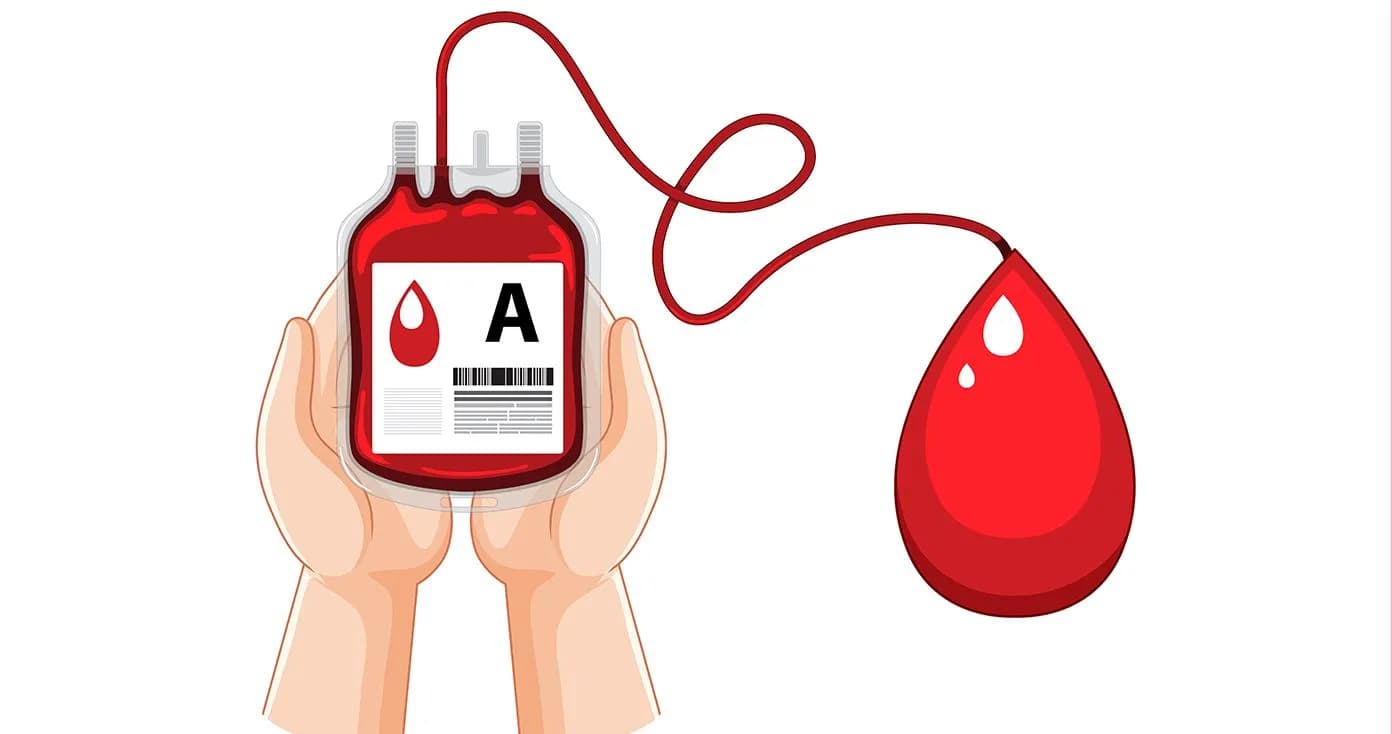
A blood transfusion is a routine medical procedure where donated blood is delivered into your body through a narrow tube inserted into a vein, usually in the arm. This life-saving process is essential for replacing blood lost due to surgery, injury, or illnesses that hinder your body’s ability to properly produce blood or its vital components.
The procedure is typically safe, and complications are rare, with most mild if they occur. Blood is delivered intravenously during a transfusion through a catheter, a thin and flexible tube attached to a needle. Blood consists of several key components, each serving a specific purpose:
While whole blood contains all these elements, most transfusions involve specific components based on the recipient’s medical needs.
The success of a blood transfusion relies heavily on matching the donor's and recipient’s blood types to avoid adverse reactions. Blood is categorized into four main types: A, B, AB, and O, based on the presence of antigens on the surface of red blood cells. Additionally, blood is classified as Rh-positive or Rh-negative, creating eight distinct blood types: A+, A−, B+, B−, AB+, AB−, O+, and O−.
Receiving the wrong blood type can trigger an immune response, leading to severe symptoms such as fever, muscle aches, or difficulty breathing, and in rare cases, it may be fatal.
Understanding these dynamics ensures safer transfusions and highlights blood donations' critical role in saving lives.
Blood transfusions are commonly needed in the following situations:
Injuries, surgeries, or childbirth complications can lead to significant blood loss, requiring immediate replacement to stabilize the patient.
Conditions like anemia, cancer, or kidney disease often lead to low blood counts that can be managed with transfusions.
Patients with hemophilia, sickle cell anemia, or other genetic disorders may require regular transfusions to maintain their health.
Major surgeries often necessitate blood transfusions to compensate for blood loss and ensure a smooth recovery.
Depending on your specific medical needs, transfusions can involve:
The safety of blood transfusions has improved tremendously over the years. Donated blood undergoes rigorous testing for infections like HIV, hepatitis, and syphilis. Matching blood types (A, B, AB, or O) and Rh factors is crucial to prevent adverse reactions.
While rare, some risks include allergic reactions, fever, or iron overload from repeated transfusions. However, these are generally manageable with proper medical care.
If your doctor recommends a blood transfusion, here’s what you should know:
Let’s debunk some common misconceptions:
Blood donors are the unsung heroes of healthcare. Donating blood is a simple act that can save up to three lives with a single donation. If you’re eligible to donate, consider making this life-saving contribution.
After a blood transfusion, consult your doctor immediately if you experience:
Blood transfusions are more than a medical procedure—they represent a lifeline, a second chance, and often, hope. Whether it's a trauma victim receiving life-saving blood, a child battling cancer, or a patient recovering from surgery, transfusions highlight the profound impact of medical science and human generosity.
At Apex Hospitals, our state-of-the-art facilities and expert team ensure that every blood transfusion is safe, efficient, and tailored to your needs. Together, we can make life-saving care accessible to all.


Download Our App


Powered By Docfyn