
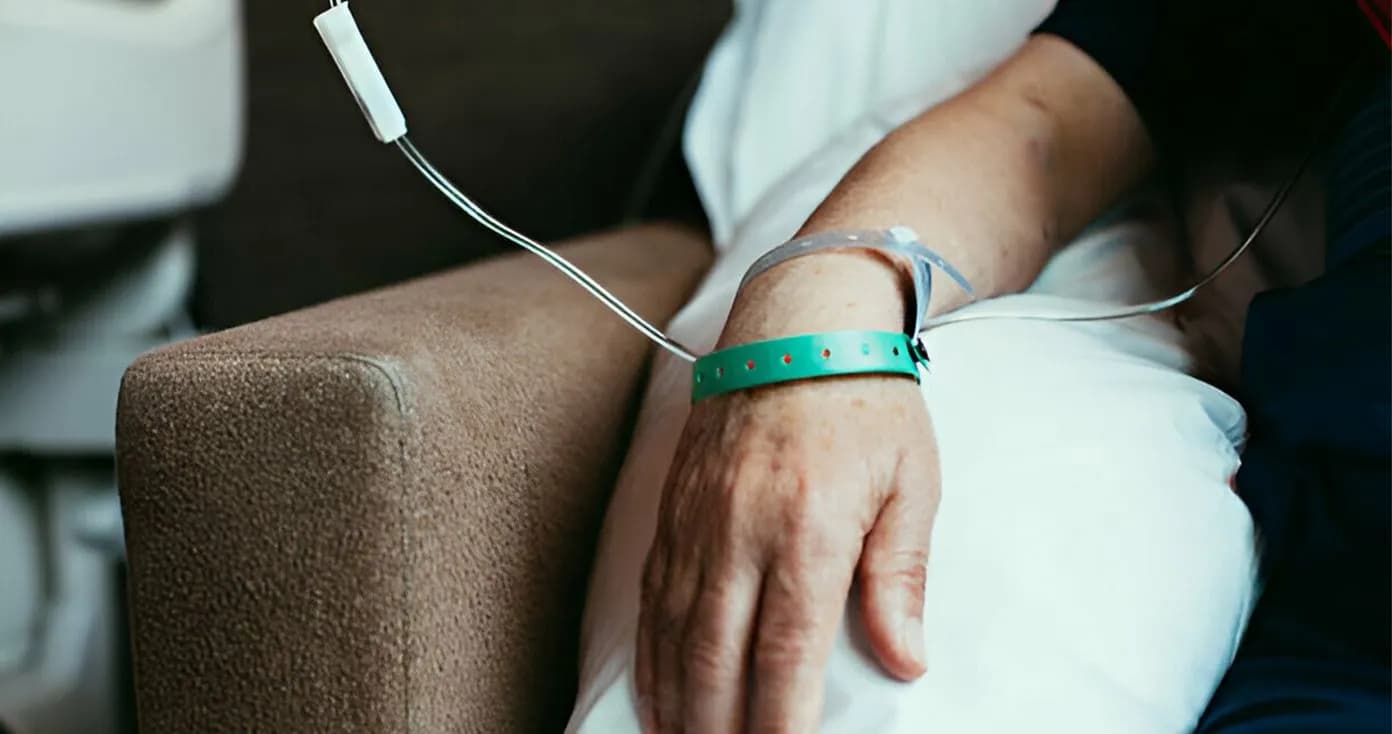
Chemotherapy—a word no one wants to hear and a journey few wish to embark upon. Yet, for many battling cancers, it becomes an unavoidable part of the fight. People often feel anxious before their first chemotherapy session. Questions raced through their mind: How would it affect them? Would they feel sick? Would they be alone during the treatment or surrounded by others facing the same challenges?
No two chemotherapy experiences are the same. Side effects, both physical and emotional, vary from person to person, as do reactions to different chemotherapy drugs. Thanks to advancements in cancer treatment, managing these side effects has become significantly more effective, allowing patients to navigate this journey with greater comfort and care.
It’s essential to remember that how you feel during chemotherapy doesn’t determine its effectiveness. While some people may feel fine immediately after treatment, reactions can occur hours—or even days—later. Some experience multiple side effects, while others encounter very few. Each journey is unique, but staying informed can make a difference.
At Apex Hospitals, we aim to support you at every step, providing expert care and ensuring you feel informed and empowered. Here’s a detailed guide to help you understand what chemotherapy entails and how to prepare for it.
Chemotherapy is a treatment method that uses drugs to target and destroy cancer cells. While its primary goal is to stop cancer from spreading, it may also shrink tumours, alleviate symptoms, and even eliminate cancer.
Before starting chemotherapy, you’ll undergo a series of tests to evaluate your overall health and ensure the treatment is tailored to your needs. These assessments help your medical team determine the most effective and safe approach for your care.
The tests you might have include:
Throughout your treatment, additional tests will monitor your progress and the effectiveness of the therapy.
Chemotherapy typically involves several sessions spread over a few months, allowing for breaks between treatments so your body can recover. Before beginning, your healthcare team will develop a personalized treatment plan. This plan includes:
Your treatment plan is carefully designed based on factors such as the type of cancer, its stage, and the overall goal of the treatment, whether it’s to cure the cancer, manage symptoms, or reduce its progression. This thorough planning ensures the best possible care and outcome for your journey.
1. How It’s Administered
Chemotherapy can be delivered in various ways, including:
At Apex Hospitals, our experienced nurses and staff ensure the process is as comfortable and smooth as possible.
2. The Treatment Sessions
3. Potential Side Effects
Chemotherapy is a highly effective cancer treatment, but it can cause side effects because it targets all fast-growing cells in the body, including healthy ones. The type and severity of side effects vary from person to person. While some individuals may experience only mild symptoms or none, others might face more pronounced challenges. Factors such as overall health, existing medical conditions, and medications can influence how chemotherapy affects you. However, predicting your exact response is impossible until the treatment begins.
Common Side Effects of Chemotherapy
While these side effects can be challenging, our oncology team is equipped to help. Our doctors can provide medications to manage or prevent many of these symptoms. In some cases, adjustments to the treatment plan can reduce the risk of severe side effects.
The good news is that most side effects gradually subside once chemotherapy ends, allowing your body to recover. Open communication with your healthcare team ensures you receive the support you need throughout treatment.
1. Recovery Period
After each session, your body needs time to recover. You may feel fatigued or experience other side effects for a few days. Rest and proper nutrition are key to a smoother recovery.
2. Follow-Up Appointments
Regular check-ups are crucial to monitor your progress and address any concerns. At Apex Hospitals, we stay by your side, ensuring your recovery is on track.
3. Emotional Support
Chemotherapy can be emotionally challenging. Lean on your support system—family, friends, or professional counsellors. Our team at Apex Hospitals also offers resources to help you navigate these challenges.
Apex Hospitals is committed to providing world-class cancer care with compassion and expertise. Our multidisciplinary team of oncologists, nurses, and support staff ensures your chemotherapy journey is as smooth and effective as possible. With cutting-edge technology and personalized care plans, we are here to help you fight cancer and reclaim your health.
Chemotherapy is a vital step in the battle against cancer, and understanding what to expect can make a significant difference. At Apex Hospitals, we empower you with the knowledge, care, and support you need to navigate this journey confidently.
If you or a loved one is undergoing chemotherapy or seeking cancer treatment, contact Apex Hospitals today to learn more about our comprehensive oncology services. Together, we can face this challenge and work towards a healthier future.


Download Our App


Powered By Docfyn