
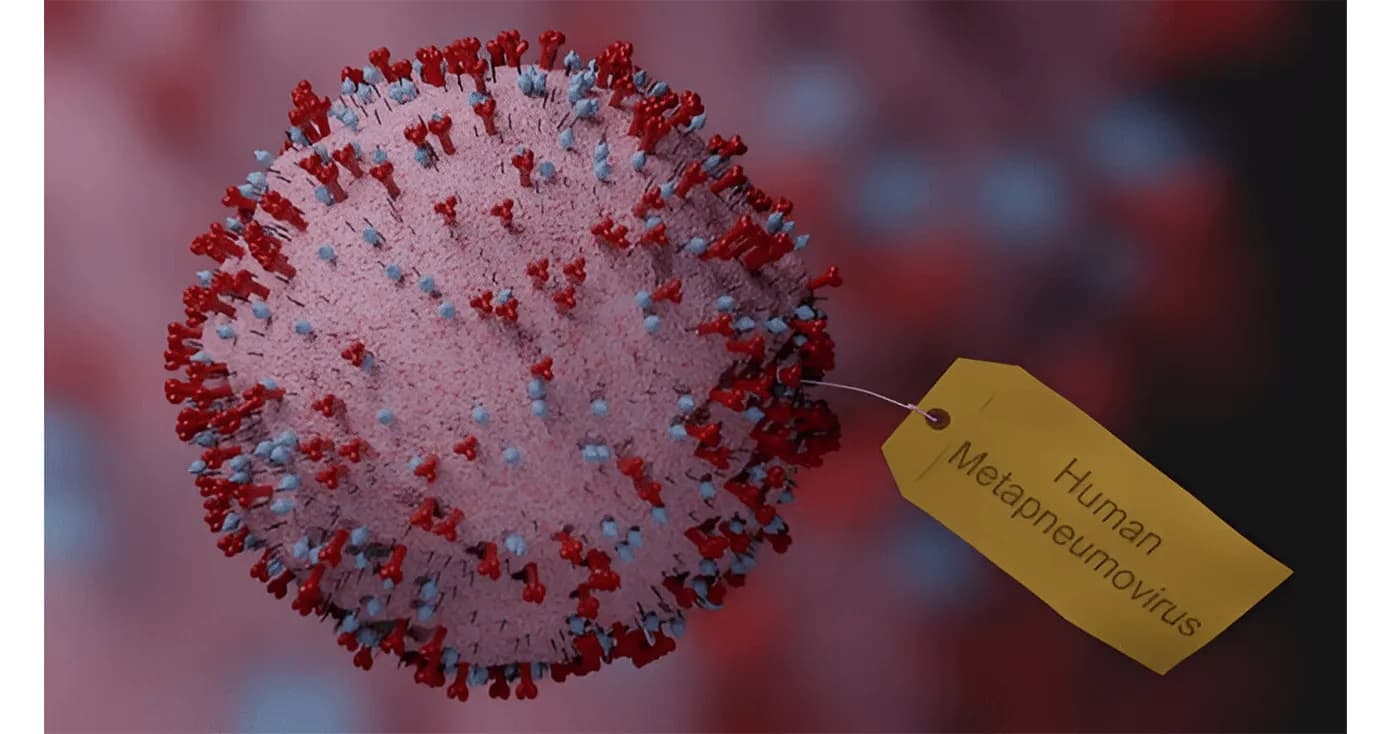
Human Metapneumovirus (hMPV) has recently made headlines, sparking widespread attention. Recent media coverage, particularly in India, has amplified concerns about a "new dangerous virus" reportedly originating from China and spreading globally. Although less commonly discussed than influenza or COVID-19, hMPV remains a significant respiratory virus, mainly active in winter and spring. hMPV is not a newly discovered virus but a well-documented pathogen that has circulated for years. While it often causes mild, self-limiting respiratory symptoms, it can lead to more severe complications in vulnerable groups, including young children, the elderly, and individuals with weakened immune systems. With the recent rise in cases, staying informed about the virus, its symptoms, and effective preventive measures to protect yourself and your loved ones is essential.
Human Metapneumovirus (hMPV), a member of the Pneumoviridae family, is a respiratory virus known to cause a range of illnesses, from mild cold-like symptoms to more serious lung infections such as pneumonia and bronchiolitis. It primarily affects the upper respiratory tract, often presenting mild symptoms in healthy individuals. However, certain groups, including young children, older adults, pregnant women and those with compromised immune systems, are more susceptible to severe complications. Initially identified by Dutch researchers in 2001, hMPV has been recognized as a significant cause of respiratory infections worldwide.
Human metapneumovirus (HMPV) shares many symptoms with other respiratory viruses, such as influenza and RSV, though its severity can vary depending on factors like age and overall health.
Symptoms in Adults
In healthy adults, HMPV typically causes mild symptoms, which can include:
However, in older adults or those with weakened immune systems, the symptoms may be more severe, possibly leading to:
Symptoms in Children
Children, especially young ones, can experience symptoms similar to adults but are more likely to have lower respiratory involvement. Common symptoms in children include:
In more serious cases, hMPV can lead to bronchiolitis or pneumonia in children, potentially requiring hospitalization. Immediate medical attention is crucial if your child experiences trouble breathing, a high fever, or worsening symptoms.
HMPV is highly contagious and spreads through several routes:
A recent HMPV outbreak in China has underscored the virus's potential severity, especially for vulnerable populations. Most of the infections were in children under 14 years old, with many cases requiring hospitalization due to complications such as persistent coughs, fevers, and more serious conditions like bronchiolitis and pneumonia.
The similarity of HMPV symptoms to other respiratory diseases makes diagnosis and treatment more challenging. Health officials have recommended preventive actions to reduce transmission, including regular handwashing, mask-wearing, and early testing. World Health Organization (WHO) has clarified that these upticks align with seasonal patterns and do not pose a significant public health threat. Most individuals recover from HMPV without lasting issues, and there is no indication of an impending pandemic.
Currently, there is no specific antiviral treatment or vaccine for hMPV. Management focuses on alleviating symptoms:
Preventive Measures
Preventing hMPV infection involves standard respiratory virus precautions:
If you or your child begin showing symptoms of HMPV, such as fever, cough, or difficulty breathing, it's crucial to consult a doctor. Seeking early medical attention can help prevent complications, especially for vulnerable groups such as young children, the elderly, and individuals with weakened immune systems.
For severe symptoms, such as a high fever above 103°F (40°C), difficulty breathing, bluish skin, lips, or nails (cyanosis), or a worsening of other health conditions, go to the emergency room or seek immediate medical attention. Timely care can help prevent serious complications.
While hMPV is a common respiratory virus that typically causes mild illness, awareness of its symptoms and transmission is crucial, especially for vulnerable populations. Staying informed and practicing preventive measures can significantly reduce the risk of infection. For more information or if you experience severe symptoms, consult with healthcare providers at Apex Hospitals.


Download Our App


Powered By Docfyn