
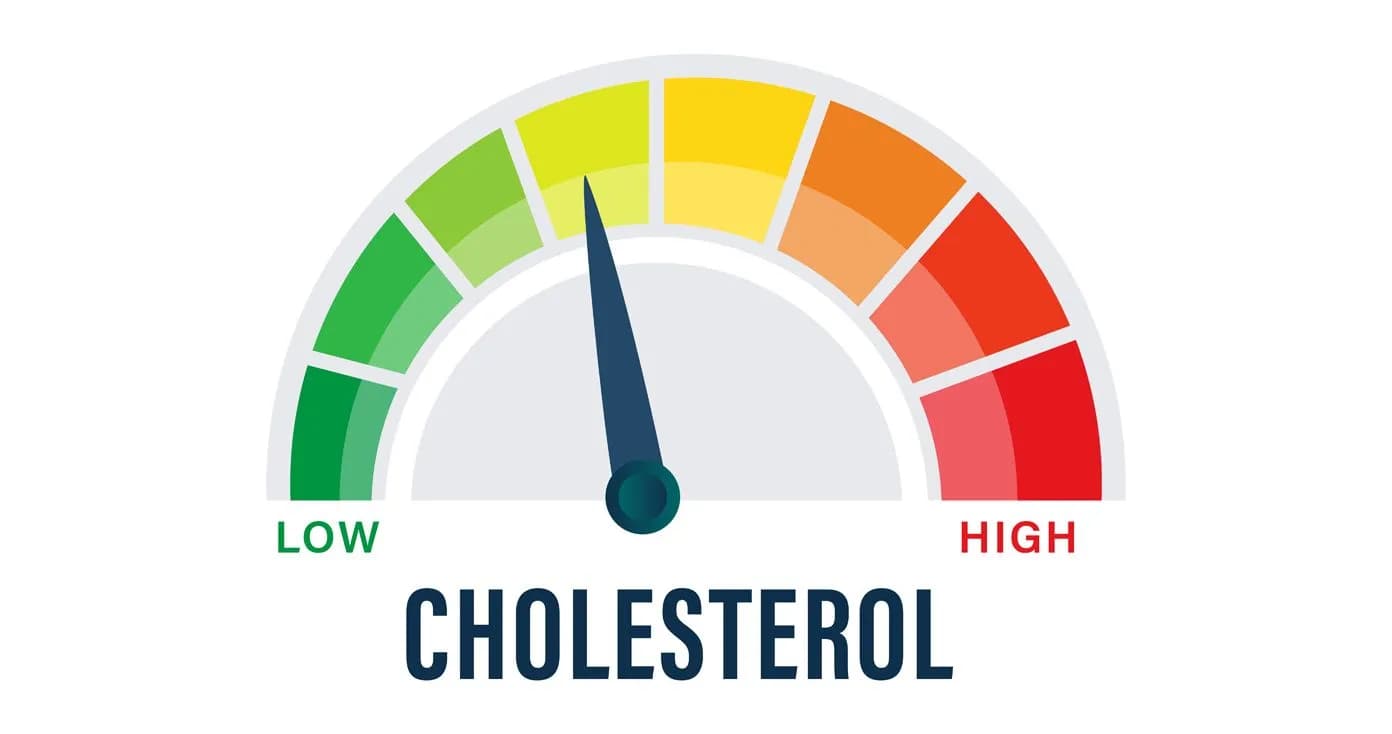
Cholesterol is a waxy, fat-like substance formed by the liver. It is found in every body cell and is essential for building healthy cells. It is critical in forming cell membranes, certain hormones, vitamin D, and digestive bile acids. While your body naturally produces cholesterol, it is absorbed from your food. However, too much cholesterol, particularly "bad" cholesterol, can lead to serious health risks like heart disease.
Cholesterol travels through the bloodstream in particles called lipoproteins, which are made of fat and protein. Two primary types of lipoproteins transport cholesterol:
In addition to LDL and HDL, triglycerides significantly affect your overall cholesterol health. Triglycerides are a type of fat used for energy, but elevated levels combined with high LDL or low HDL can further increase the risk of cardiovascular disease.
While high cholesterol can be inherited, it is often caused by unhealthy lifestyle choices, making it both preventable and treatable. Eating a balanced diet, engaging in regular physical activity, and, if necessary, taking medication can help lower cholesterol levels and reduce the risk of heart disease.
By managing cholesterol levels, particularly reducing LDL and maintaining healthy HDL levels, you can significantly lower your chances of developing life-threatening conditions like heart attacks or strokes.
High cholesterol, also known as hyperlipidaemia or hypercholesterolemia, occurs when excessive lipids (fats) are present in the blood. While the body requires a certain amount of lipids to function properly, having too many can lead to serious health issues. When the body can't use all the excess lipids, they accumulate in the arteries, combining with other substances in the blood to form plaque.
This plaque builds up gradually over time, often without causing noticeable symptoms. However, as it continues to grow, it silently narrows and hardens your arteries, increasing the risk of heart disease, stroke, or other complications. The danger of untreated high cholesterol lies in its hidden progression, as you may not be aware of the condition until it has caused significant damage.
The only way to detect high cholesterol is through a blood test, known as a lipid panel, which measures the levels of lipids circulating in your blood. What constitutes high cholesterol varies depending on age, sex, and personal or family history of heart disease, making regular screening essential for maintaining heart health.
High cholesterol is often called a "silent" condition because it usually doesn't present any symptoms, making it difficult to detect without testing. Most people with high cholesterol won't experience any obvious signs, even if they maintain an active lifestyle. However, if left untreated, high cholesterol can lead to serious health risks, such as heart attack and stroke.
Some signs may become apparent in rare cases of extremely high cholesterol levels. These include fatty deposits known as xanthomas, which can appear as yellowish bumps on the skin, particularly on the elbows, knees, joints, hands, or buttocks. Another possible sign is a greyish-white ring (corneal arcus) around the cornea in the eyes. These symptoms are more common in people with familial hypercholesterolemia, a genetic condition that causes very high cholesterol.
Regular cholesterol checks are essential since high cholesterol can progress without noticeable symptoms. Early detection through a blood test allows you to take steps to manage your cholesterol levels and reduce the risk of heart disease and stroke. Talk to our healthcare providers to assess your risk and explore lifestyle changes or treatments that can help maintain healthy cholesterol levels.
High cholesterol, also known as hyperlipidaemia or hypercholesterolemia, can be influenced by lifestyle factors and genetics. Understanding these contributors can help you manage your cholesterol levels effectively.
Lifestyle Factors That Contribute to High Cholesterol:
Genetic Factors:
Health Conditions That Influence Cholesterol:
Certain medical conditions can also impact cholesterol levels:
High cholesterol can lead to serious health complications, especially when left untreated. Since cholesterol buildup often occurs silently over time, it can eventually lead to life-threatening conditions. Here are some critical complications associated with high cholesterol:
1. Atherosclerosis:
High cholesterol can cause a buildup of fatty deposits, or plaque, in your arteries. This narrows the arteries and restricts blood flow, leading to atherosclerosis, the primary cause of cardiovascular problems.
2. Coronary Artery Disease (CAD):
When plaque builds up in the arteries that supply blood to your heart, it can reduce or block the flow of oxygen-rich blood to the heart. This increases the risk of angina (chest pain), heart attack, and even heart failure.
3. Stroke:
Plaque buildup can also occur in the arteries supplying blood to the brain. If a piece of plaque ruptures or a blood clot forms, it can block the blood flow to a portion of the brain, causing a stroke. A stroke can lead to permanent brain damage, disability, or death.
4. Peripheral Artery Disease (PAD):
High cholesterol can affect the arteries in your legs and arms, reducing blood flow to those areas. This can cause pain, numbness, and increased risk of infection, and in severe cases, can lead to gangrene or the need for amputation.
5. High Blood Pressure (Hypertension):
As arteries harden and narrow due to cholesterol plaque, the heart has to work harder to pump blood through them, leading to high blood pressure. Chronic high blood pressure further increases the risk of heart attack, stroke, and kidney disease.
6. Heart Attack:
When a coronary artery becomes completely blocked due to a blood clot formed from a ruptured plaque, it can result in a heart attack. Without timely intervention, heart attacks can cause significant damage to the heart muscle or lead to death.
7. Chronic Kidney Disease:
Cholesterol deposits can block or narrow the arteries that supply blood to the kidneys, potentially leading to kidney damage over time.
8. Type 2 Diabetes Complications:
People with high cholesterol and diabetes are at increased risk for cardiovascular disease due to compounded effects on blood vessels, leading to a higher risk of heart attacks, stroke, and PAD.
Your doctor may develop a tailored plan, incorporating lifestyle changes and medication, to help reduce cholesterol levels and lower the risk of heart complications.
Your healthcare provider may discuss two types of prevention to protect against heart conditions related to high cholesterol:
Other Medications for Cholesterol Control
If cholesterol levels remain high despite lifestyle changes and initial medications, additional medications may be considered. Even if cholesterol is controlled, these medications may support long-term heart health.
Managing High Cholesterol
There are multiple strategies to help lower cholesterol:
Medication may be necessary if lifestyle adjustments alone do not achieve target cholesterol levels. Typically, your doctor will monitor your cholesterol with annual blood tests, adjusting treatments as required. Statins are the primary cholesterol-reduction medication, though other options are available. In some instances, your doctor may refer you to a lipid specialist.
Take control of your heart health today! High cholesterol often goes unnoticed, but if left unmanaged, it can lead to severe complications. Regular cholesterol testing—especially for those over 20—helps you stay on top of your levels and tackle any risks early. Consult with our healthcare providers to create a plan that includes lifestyle choices like regular exercise, a balanced diet, and avoiding smoking. Start your journey to healthier cholesterol and a healthier you—schedule your cholesterol check now!

Download Our App


Powered By Docfyn