
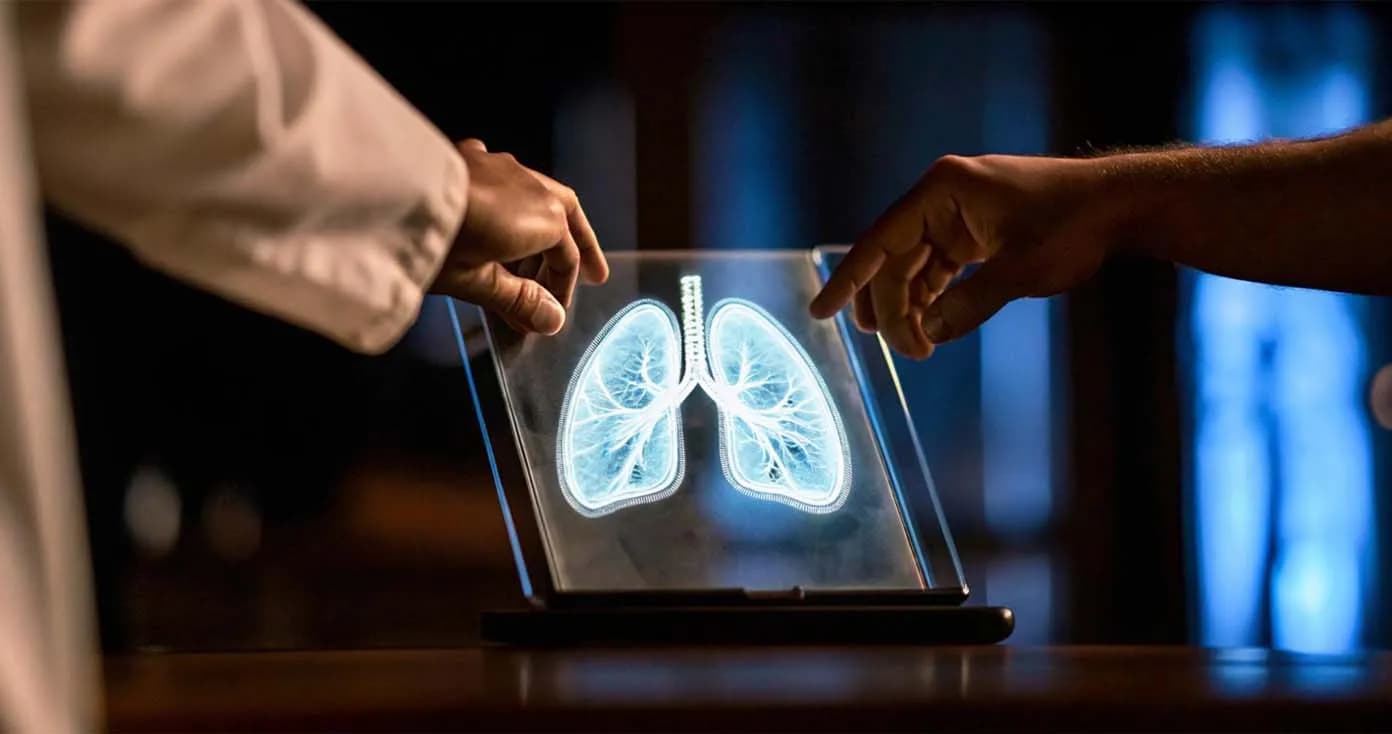
Chronic Obstructive Pulmonary Disease (COPD) is a progressive lung condition that gradually makes breathing difficult due to long-term lung damage. This damage leads to inflammation, swelling, and irritation in the airways, restricting airflow in and out of the lungs—a condition known as obstruction. Common symptoms include shortness of breath, a persistent cough that produces mucus, and a wheezing or tight sensation in the chest. While smoking is the primary cause of COPD, other environmental and genetic factors can also contribute to its development. Despite affecting millions worldwide, many people remain unaware of the risk factors and warning signs. Understanding these causes can help individuals take preventive measures and safeguard their lung health.
COPD primarily includes two significant conditions:
Most individuals with COPD experience a combination of both emphysema and chronic bronchitis, with the severity of each condition varying from person to person.
The primary cause of COPD is long-term exposure to harmful gases and particles that irritate the lungs. Here are the most common causes:
1. Smoking – The Leading Cause of COPD
Cigarette smoking is responsible for nearly 75% of COPD cases. The chemicals in tobacco smoke damage lung tissue, inflame the airways and reduce the lungs' ability to function correctly.
How smoking leads to COPD:
Even second-hand smoke can contribute to COPD, putting non-smokers at risk.
2. Exposure to Air Pollution and Harmful Chemicals
Airborne pollutants such as industrial fumes, dust, and chemical vapours can cause lung damage over time.
Risky environments include:
Long-term exposure to such pollutants can irritate the lungs, lead to chronic inflammation, and obstruct the airway, increasing the risk of COPD.
3. Genetic Factors – Alpha-1 Antitrypsin Deficiency
Some people develop COPD due to genetic predisposition, even if they’ve never smoked or been exposed to pollutants.
A rare condition called Alpha-1 Antitrypsin (AAT) Deficiency reduces the lungs’ ability to repair damage. People with this condition are more likely to develop COPD at a younger age. If you have a family history of lung disease, genetic testing may help assess your risk.
4. Respiratory Infections and Childhood Lung Damage
During childhood, frequent lung infections (such as pneumonia or severe bronchitis) can damage the lungs, increasing the risk of developing COPD later in life.
Risk factors include:
Children exposed to second-hand smoke are particularly vulnerable to lung damage that can lead to COPD in adulthood.
5. Chronic Asthma and COPD Overlap
Uncontrolled asthma over long periods can cause structural damage to the airways, increasing COPD risk. Some individuals experience asthma-COPD overlap syndrome (ACOS), which includes symptoms of both conditions. Managing asthma effectively can prevent long-term lung damage and lower the chances of developing COPD.
Anyone can develop COPD, but certain factors increase the likelihood:
COPD is a serious but preventable disease. Understanding its causes and risk factors can help you take proactive steps to protect your lungs. If you experience chronic cough, shortness of breath, or wheezing, consult a doctor for an evaluation.
Early intervention is key! Don’t wait for symptoms to worsen—take action today for better lung health.
Are you concerned about your lung health? Book a consultation with our experts today!


Download Our App


Powered By Docfyn