
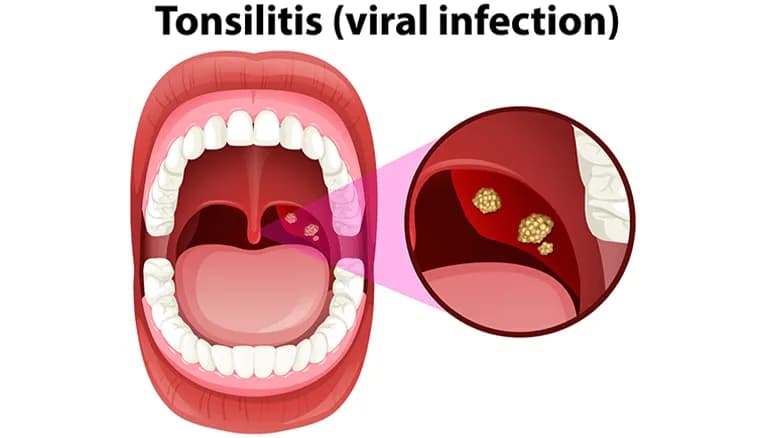
Tonsillitis is characterized by the inflammation of the tonsils, two small glands located at the back of the throat. The tonsils play a crucial role in our immune system by trapping and filtering harmful bacteria and viruses that enter the body through the mouth and nose. However, when the tonsils become infected, they can become inflamed and swollen, causing uncomfortable symptoms.
As mentioned earlier, the tonsils are two small glands at the throat's back. They are part of the lymphatic system and are vital in protecting the body against infections. When the tonsils become inflamed, they become red and swollen and may develop white or yellow spots.
The tonsillitis symptoms can vary from person to person and range from mild to severe. Some of the most common symptoms of tonsillitis include:
It is important to note that other conditions can also cause these symptoms, so if you are experiencing any of these symptoms, it is best to consult a healthcare professional for an accurate diagnosis.
Tonsillitis is most commonly caused by a viral or bacterial infection, with viruses being the most frequent cause. Some of the viruses that can cause tonsillitis include the flu virus, the common cold virus, and the Epstein-Barr virus. Bacterial infections that can cause tonsillitis include Streptococcus pyogenes (Group A Streptococcus), responsible for strep throat.
Among the risk factors for tonsillitis are:
In most cases, tonsillitis is a mild condition that can be easily treated. However, in some cases, tonsillitis can lead to complications that require medical attention. Some of the complications of tonsillitis include:
If you are experiencing symptoms of tonsillitis, your healthcare professional may perform a throat swab test to determine the cause. During this test, a swab is used to collect a sample of cells from the back of your throat. This sample is then sent to a laboratory for testing to determine if a bacterial or viral infection is causing your symptoms.
Your physician may also obtain a blood sample for a complete blood count. This test can determine whether your infection is bacterial or viral, which may affect your treatment options.
The tonsillitis treatment depend on the cause and severity of the condition. In cases where a viral infection causes tonsillitis, home remedies such as rest, fluids, and over-the-counter pain relievers can help alleviate symptoms. In cases where a bacterial infection causes tonsillitis, antibiotics may be prescribed.
In some cases, tonsillitis may be chronic or recurring, and surgery may be necessary to remove the tonsils. This procedure is known as a tonsillectomy and is usually reserved for severe cases of tonsillitis that do not respond to other treatments.
If you are experiencing throat pain or other symptoms of tonsillitis, there are several things you can do to manage your symptoms at home. Some of these remedies include:
While there is no surefire way to prevent tonsillitis, there are several things you can do to reduce your risk of developing the condition. Some of these tips include:
Tonsillitis is a common condition that can be uncomfortable and inconvenient. However, with proper diagnosis and treatment, most cases of tonsillitis can be easily managed. If you are experiencing symptoms of tonsillitis, it is essential to consult a healthcare professional to determine the cause of your symptoms and the best course of treatment.

Download Our App


Powered By Docfyn