
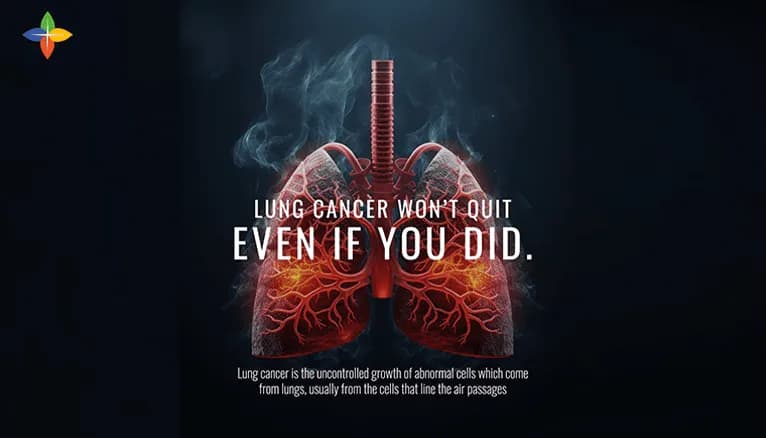
Lung cancer is a devastating disease that affects millions of people worldwide. It is crucial to comprehensively understand this condition, including its symptoms, causes, and treatment options. By educating ourselves, we can better identify the signs of lung cancer, reduce our risk factors, and explore the available treatment modalities. Let's embark on this journey better to understand lung cancer and its impact on our lives.
Lung cancer is a malignant tumour that originates in the cells of the lungs. It is the leading cause of cancer-related deaths worldwide, affecting both men and women. This disease occurs when the cells in the lungs grow uncontrollably, forming a mass or tumour. There are two main types of lung cancer: small cell lung cancer (SCLC) and non-small cell lung cancer (NSCLC).
Recognizing the lung cancer symptoms is crucial for early detection and prompt treatment. The symptoms of lung cancer can vary depending on the stage and type. Some common symptoms include:
It is important to note that these symptoms can also be associated with other respiratory conditions, so it is essential to consult a healthcare professional for an accurate diagnosis.
While the exact lung cancer causes is unknown, certain risk factors are known to increase the likelihood of developing the disease. Smoking tobacco is the leading cause of lung cancer, accounting for approximately 85% of all cases. Exposure to second-hand smoke, environmental pollutants such as radon and asbestos, and a family history of lung cancer are also significant risk factors. Additionally, individuals with a weakened immune system and those who have previously had lung diseases are at a higher risk of developing lung cancer.
Early detection of lung cancer can significantly improve treatment outcomes and increase the chances of survival. While lung cancer is often asymptomatic in its early stages, certain warning signs should not be ignored. These include:
If you experience any of these symptoms, it is important to consult a healthcare professional for further evaluation and potential screening tests.
Diagnosing lung cancer involves a series of tests and procedures to confirm the presence of cancer cells. These may include:
The lung cancer treatment depends on several factors, including the stage of the disease, the type of lung cancer, and the patient's overall health. The primary treatment modalities for lung cancer include:
These treatment options can be used individually or in combination, depending on each patient's specific needs.
While not all cases of lung cancer can be prevented, there are specific measures individuals can take to reduce their risk of developing the disease.
With ongoing advancements in research and treatment options, there is hope for a brighter future for lung cancer patients. By raising awareness, supporting research efforts, and advocating for preventive measures, we can work towards a world where lung cancer is no longer a leading cause of cancer-related deaths.
Remember, early detection saves lives. If you or someone you know is experiencing symptoms or at high risk for lung cancer, consult a healthcare professional for further evaluation and guidance.

Download Our App


Powered By Docfyn