
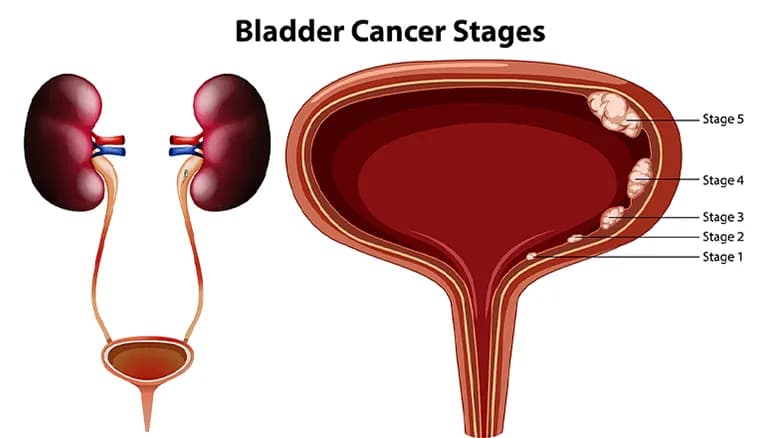
Bladder cancer begins in the bladder tissues. It might produce urinary symptoms as well as back discomfort and exhaustion. Your stage and type of cancer will determine the treatment you receive. Bladder cancer develops when abnormal cells of the bladder divide and spread uncontrollably. They can form a tumour and spread to nearby muscles and organs over time.
Bladder cancer is a severe condition that affects thousands of individuals each year. This type of cancer can be life-threatening if not diagnosed and treated promptly.
Understanding bladder cancer's causes and risk factors is crucial for early detection and prevention.
Recognizing the bladder cancer symptoms is essential for early diagnosis.
The most common symptom is:
If you experience any of these symptoms, it is crucial to consult a healthcare professional for further evaluation.
Once diagnosed, bladder cancer is staged to determine the extent of its spread. Staging helps in developing an appropriate bladder cancer treatment plan.
There are several staging systems for bladder cancer. The following stages are possible:
Stage 0: The cancer has not progressed beyond the bladder lining.
Stage 1: The cancer has progressed beyond the bladder lining but has not penetrated the bladder's muscle layer.
Stage 2: The cancer has spread to the bladder's muscle layer.
Stage 3: The cancer has spread to the bladder's surrounding tissues.
Stage 4: The cancer has progressed beyond the bladder to other body parts.
The treatment options for bladder cancer depend on various factors, including the stage and grade of the tumour, as well as the overall health of the individual.
Treatment for bladder cancer in stages 0 and 1 may include:
The survival rates and prognosis for bladder cancer vary depending on the stage and grade of the cancer and the individual's overall health. Early-stage bladder cancer has a higher survival rate compared to advanced-stage cancer. However, advancements in treatment options have improved survival rates overall. It is essential to consult with a healthcare professional to understand the specific prognosis for each case.
Making certain lifestyle changes and adopting prevention strategies can help reduce the risk of bladder cancer.
These include quitting smoking, maintaining a healthy weight, staying hydrated, and avoiding exposure to harmful chemicals. Regular exercise and a balanced diet rich in fruits and vegetables are also beneficial in preventing bladder cancer.
Bladder cancer is a complex condition that requires early detection and appropriate treatment. Understanding the causes, recognizing the symptoms, and seeking medical attention promptly are crucial steps in managing bladder cancer effectively. With advancements in treatment options and ongoing research, the prognosis for bladder cancer continues to improve. Individuals can reduce their risk of developing bladder cancer by adopting preventive strategies and healthy lifestyle choices. Remember, early detection and proactive management are critical to a successful outcome.

Download Our App


Powered By Docfyn