
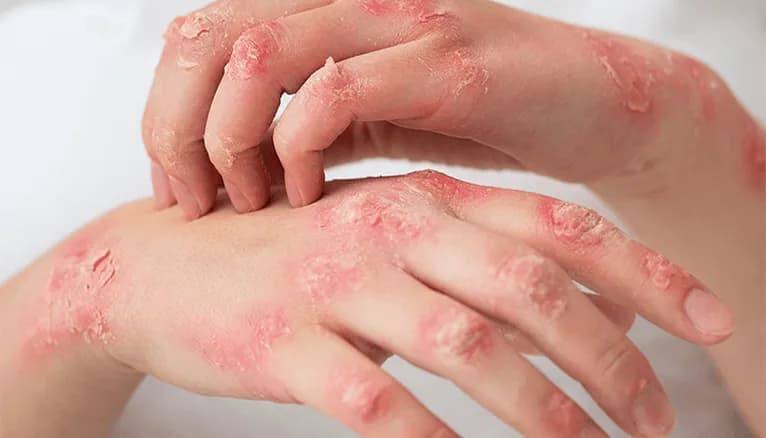
Atopic dermatitis is a chronic inflammatory skin condition that is often used interchangeably with the term eczema. Patches of dry, itchy, and inflamed skin characterize it. These patches can appear anywhere on the body but commonly affect the face, hands, knees, and elbows. AD frequently begins in childhood and recurs on occasion. AD sufferers frequently scratch the affected area when a flare-up occurs. Rubbing might aggravate symptoms by causing more skin inflammation. Atopic dermatitis is not contagious and is often a result of an overactive immune response to specific triggers.
Itching and redness are symptoms of all types of eczema, but AD is the most severe and chronic. While atopic dermatitis is the most common type of eczema, other subtypes have different causes and symptoms.
Other types of eczema include:
Each type of eczema has distinct characteristics and requires specific treatment approaches. It is essential to understand the differences to effectively manage the condition.
The atopic dermatitis symptoms can vary from person to person, but there are some common signs to look out for. These include:
Atopic dermatitis (AD) symptoms vary based on the person's age.
Symptoms in infants can include:
Due to itching skin, infants with these symptoms may have difficulty sleeping. Scratching can cause skin infections in infants with Alzheimer's disease.
It is essential to recognize these symptoms early to start appropriate treatment and prevent complications.
Symptoms in children can include:
Adults are also more prone to experience symptoms near their eyes. Adults diagnosed with Atopic Dermatitis as children may have discoloured or leathery areas of skin that are easily irritated. Some persons diagnosed with Atopic Dermatitis as children may not have symptoms for many years until they emerge later in life.
There are several myths and misconceptions surrounding eczema that can lead to confusion and frustration for those affected by the condition. One common myth is that eczema is contagious, which is not valid. Any infectious agent does not cause eczema and cannot be spread from person to person. Another myth is that eczema is caused by poor hygiene, which is also false. Eczema is a complex condition influenced by genetic, environmental, and immune factors. It is crucial to debunk these myths to create a better understanding and support system for those with eczema.
The exact cause of atopic dermatitis is still unknown, but researchers believe that a combination of genetic and environmental factors plays a role in its development. Because AD is not contagious, you cannot spread the rash to others. The basic notion of atopic dermatitis is that inflammation originates from a misdirected immune response. This immune response generates an overabundance of inflammatory cells in your skin, which underlies many symptoms of atopic dermatitis. Dry skin is common in people with Alzheimer's due to a weakened skin barrier. AD skin is more prone to water loss and irritant invasion. All of this results in the formation of red, itchy rashes.
People with a family history of atopic dermatitis, asthma, or hay fever are likelier to develop the condition. Environmental factors such as dry climates, exposure to certain irritants or allergens, and stress can trigger or worsen symptoms. Understanding the underlying causes can help in managing and preventing flare-ups.
A variety of factors can cause AD flare-ups, but everyday lifestyle and environmental triggers include:
Diagnosing atopic dermatitis involves thoroughly examining the affected skin and discussing the patient's medical history. A healthcare professional may also perform allergy tests to identify any triggers contributing to flare-ups. It is essential to differentiate atopic dermatitis from other skin conditions to ensure proper treatment. Consulting with a dermatologist or allergist is recommended for an accurate diagnosis.
The treatment of atopic dermatitis aims to alleviate symptoms, reduce inflammation, and prevent flare-ups. The approach may vary depending on the severity of the condition.
Working with a healthcare professional to determine the most appropriate treatment plan is essential for the atopic dermatitis management.
In addition to medical treatments, several lifestyle changes and home remedies can help manage the symptoms of atopic dermatitis. These include:
It is essential to find a routine that works for you and stick to it to prevent flare-ups and maintain healthy skin.
While atopic dermatitis can often be managed with home remedies and over-the-counter treatments, there are instances where medical help should be sought. If the symptoms worsen despite home treatment, if there is an infection in the affected area, if the condition significantly impacts daily life, or if there are signs of an allergic reaction, it is essential to consult a healthcare professional. They can provide further guidance, prescribe appropriate medications, and address concerns.
Working with healthcare professionals, implementing lifestyle changes, and practising good skin care habits are essential to keep your skin healthy and symptom-free. Remember, managing atopic dermatitis is a journey, but with the proper knowledge and support, you can find relief and improve your overall well-being.

Download Our App


Powered By Docfyn



