
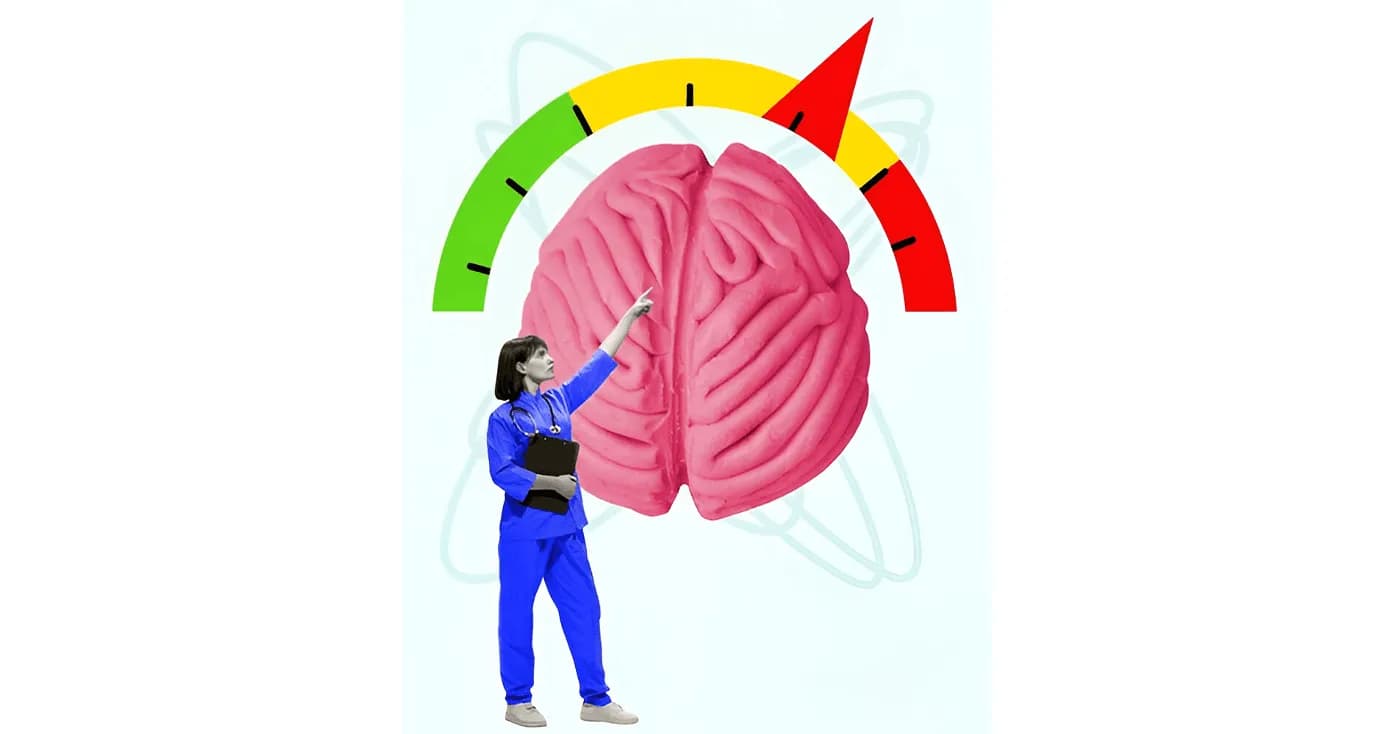
Stress activates the body's fight-or-flight response, a natural defence mechanism against threats. While the body can handle short-term stress effectively, chronic stress can negatively affect mood, the immune system, digestion, and cardiovascular health. Historically, this response protected us from immediate dangers like predators, but modern life presents challenges such as heavy workloads, financial pressures, and caregiving responsibilities. These daily stressors can make the body feel constantly attacked, leading to long-term health effects.
Chronic stress, if unmanaged, can significantly impact your body, with one of the most serious consequences being inflammation. Prolonged inflammation has been linked to a variety of health issues, making stress management essential for maintaining overall wellness.
Understanding the connection between stress and inflammation can empower you to take charge of your health and make positive lifestyle changes.
Inflammation is the body's natural defence against injury, infection, or harmful stimuli. Acute inflammation is beneficial, helping the body heal by sending white blood cells to the affected area. However, chronic inflammation can become harmful, as it may lead to conditions such as heart disease, diabetes, and autoimmune disorders.
When you experience stress, your body enters a 'fight or flight' mode, releasing stress hormones like cortisol and adrenaline. While these hormones are essential for short-term survival, chronic stress keeps these hormones elevated, leading to persistent inflammation in the body.
When you encounter a perceived threat, such as a large dog barking during a walk, a small region at the brain's base, called the hypothalamus, activates the body's alarm system. This system signals the adrenal glands above the kidneys to release hormones like adrenaline and cortisol.
Adrenaline increases heart rate, raises blood pressure, and boosts energy. Cortisol, the primary stress hormone, raises blood sugar levels, improves the brain's use of glucose, and enhances the availability of tissue-repairing substances.
Cortisol also reduces non-essential functions during stress, such as digestion, reproduction, and growth processes, while modulating immune responses. This intricate alarm system also interacts with brain regions responsible for mood, motivation, and fear.
Chronic stress and inflammation often manifest through both physical and emotional symptoms, including:
If not appropriately managed, long-term stress and inflammation can contribute to severe health conditions, including:
Fortunately, there are several effective ways to manage stress and reduce inflammation naturally:
At Apex Hospitals, we understand the critical connection between mental and physical health. Our holistic approach to care ensures patients receive comprehensive support for stress management and inflammation-related health concerns. Our team of experts, including wellness coaches and critical care specialists, offers personalized wellness plans that combine medical treatment with lifestyle modifications for optimal health.
The connection between stress and inflammation is undeniable. You can reduce inflammation and promote better health outcomes by managing stress effectively. Whether through mindfulness practices, lifestyle changes, or seeking professional care, prioritizing stress reduction can transform your well-being. Apex Hospitals remains committed to guiding you on this path to holistic wellness. Take the first step towards a healthier life today!


Download Our App


Powered By Docfyn



