
By Apex Hospitals 1st June, 2026
Most women do not think about their bones until something breaks. But by the time a fracture happens, bone loss may have been happening silently for years. Osteoporosis is one of the most common and most under-diagnosed conditions affecting women over 40, and it does not always announce itself with pain or obvious symptoms.
The good news is that with the right information, early detection, and a few consistent habits, bone loss can be slowed, managed, and in many cases, significantly reduced. This blog explains what osteoporosis is, why women are at higher risk after 40, and what you can do starting today.
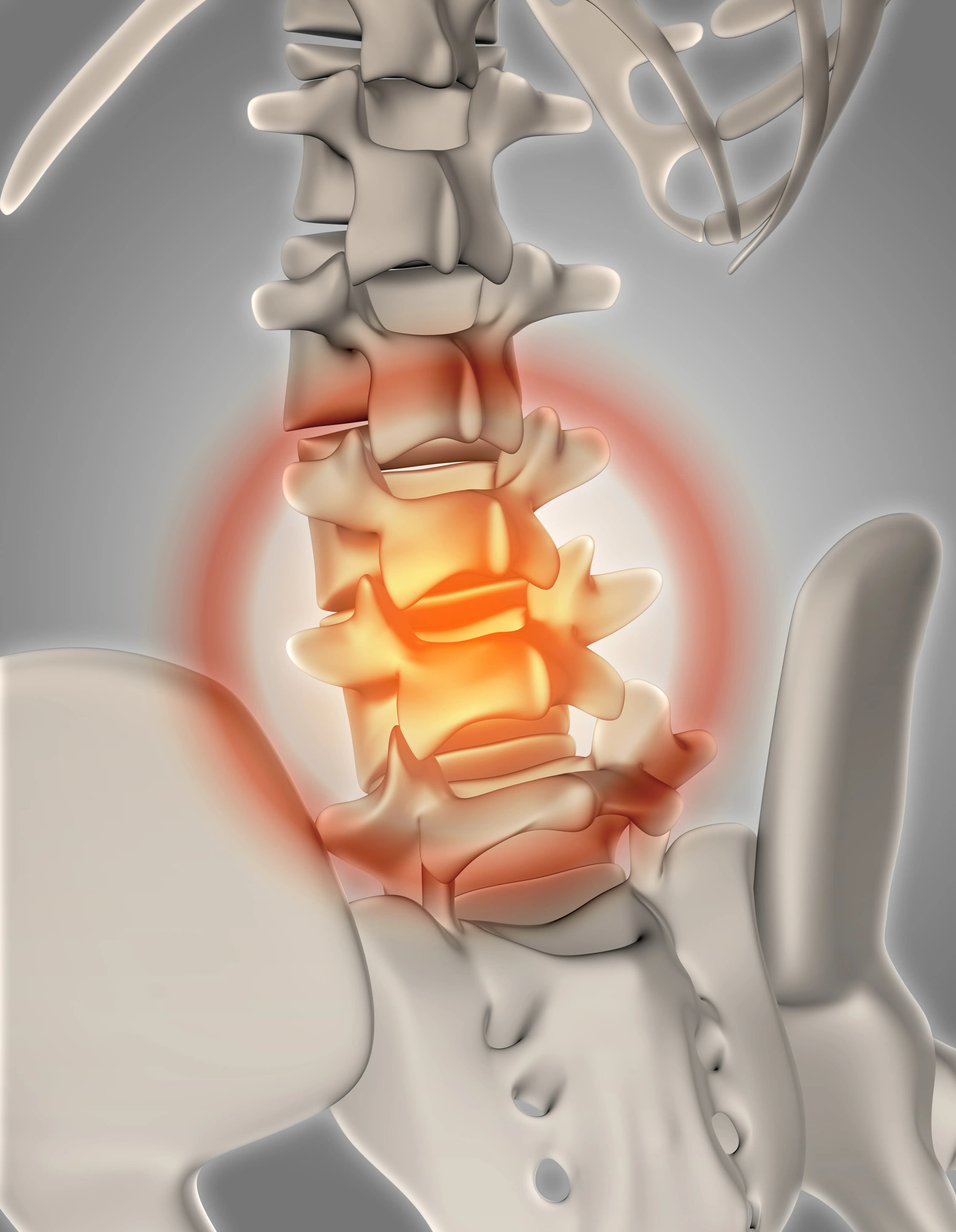
Osteoporosis literally means "porous bones." It is a condition where bones lose their density and internal structure, becoming fragile and more prone to fractures. Even a minor fall, a sudden movement, or in severe cases, a simple sneeze can lead to a break.
Think of healthy bone tissue like a dense honeycomb. With osteoporosis, those tiny holes get larger and the walls of the honeycomb get thinner, leaving the bone weaker on the inside while appearing normal on the outside.
It is often called the "silent disease" because bone density declines gradually over years with no pain, no swelling, and no visible signs, until a fracture occurs.
Women are significantly more vulnerable to osteoporosis than men, and here is why:
1. The Estrogen Drop at Menopause Estrogen plays a key role in maintaining bone density. When women approach perimenopause and menopause, typically in the 40s to early 50s, estrogen levels fall sharply. This speeds up bone loss. In the first five years after menopause, women can lose up to 20% of their bone density.
2. Smaller Bone Structure Women generally have smaller and less dense bones than men to begin with. This means they have less bone mass to lose before reaching a level where fracture risk becomes significant.
3. Longer Life Expectancy Women live longer, which means more years of potential bone loss. Combined with a lower starting bone density, the cumulative effect puts older women at much higher fracture risk.
4. Dietary and Lifestyle Gaps Many Indian women are calcium-deficient due to dietary patterns, limited sun exposure (which reduces Vitamin D), and a tendency to deprioritise their own health over family and work responsibilities.
Because osteoporosis progresses silently, many women do not realise they have it until a fracture happens. However, there are some early warning signs to watch for:
If you experience any of these signs, especially after age 40, speak to an orthopaedic specialist. A bone density test can confirm whether osteoporosis or osteopenia (the stage before osteoporosis) is present.
Some risk factors are within your control; others are not. Knowing both helps you act smartly.
A DEXA scan (Dual-Energy X-ray Absorptiometry) is the gold standard test for measuring bone density. It is painless, non-invasive, and takes less than 15 minutes. The result is expressed as a T-score:
Women should ideally get a baseline bone density test at 40, or earlier if they have significant risk factors. Do not wait for symptoms. By the time you feel it, significant bone loss may have already occurred.
1. Get Enough Calcium Daily Women over 40 need approximately 1000 to 1200 mg of calcium per day. Food sources include dairy products such as milk, curd, and paneer; ragi (finger millet), which is one of the richest plant-based sources of calcium; sesame seeds; green leafy vegetables such as methi and spinach; and calcium-fortified foods. If dietary intake is insufficient, calcium supplements may be recommended by your doctor.
2. Do Not Ignore Vitamin D Calcium cannot be absorbed properly without Vitamin D. Despite living in a sunny country, Vitamin D deficiency is extremely common in India, especially in urban women with limited sun exposure. Aim for 15 to 20 minutes of morning sunlight daily. Dietary sources include eggs, oily fish, and fortified milk. Many women over 40 need a Vitamin D3 supplement, ideally with their doctor's guidance based on blood test results.
3. Exercise Regularly, Especially Weight-Bearing Activities Physical activity stimulates bone formation. The most effective types for bone health include:
Avoid high-impact activities if you already have significant bone loss, as these can increase fracture risk. Consult your orthopaedic doctor before starting a new exercise routine.
4. Quit Smoking and Limit Alcohol Smoking reduces bone density directly and interferes with calcium absorption. Alcohol in excess disrupts bone metabolism and increases the risk of falls. Both are significant and controllable risk factors.
5. Review Your Medications Long-term use of steroids, certain antidepressants, anticoagulants, and some diabetes medications can reduce bone density. Do not stop any medication on your own, but discuss bone health with your doctor if you are on long-term treatment for any condition.
6. Prevent Falls at Home Especially for women already diagnosed with osteoporosis, fall prevention is critical. Practical steps include:
If osteoporosis is diagnosed, treatment focuses on slowing bone loss, building bone density where possible, and reducing fracture risk. Your orthopaedic doctor may recommend:
Treatment is always individualised. Do not self-medicate or take calcium and Vitamin D supplements in high doses without medical advice, as excess calcium can also cause complications.
Osteoporosis is not an inevitable part of ageing. With awareness, early screening, and simple lifestyle adjustments, you can protect your bones and stay strong well into your later years. The best time to start is before you have symptoms, which means the best time is right now.
If you are a woman over 40 and have not had a bone health conversation with your doctor yet, it is time to change that.
At Apex Hospitals, our orthopaedic specialists provide comprehensive bone health evaluations, DEXA scans, and personalised treatment plans for women at every stage of life. Timely consultation can make all the difference.
Book your appointment now.
Can osteoporosis be reversed? Osteoporosis cannot be fully reversed, but bone loss can be slowed significantly and fracture risk can be reduced with the right treatment and lifestyle changes. Some medications can help rebuild modest amounts of bone density.
At what age should women start worrying about bone health? Bone health matters at every age, but women should be particularly proactive from their 30s onward. Peak bone mass is reached around age 30. After that, the focus shifts to maintaining what you have. Women in their 40s should consider getting a baseline DEXA scan.
Is osteoporosis only about calcium? Calcium is important, but osteoporosis prevention is multifactorial. Vitamin D, physical activity, hormonal health, body weight, and certain medications all play significant roles.
Can thin or petite women do anything extra to protect their bones? Yes. Women with smaller frames should be extra attentive to calcium and Vitamin D intake, regular weight-bearing exercise, and early screening. Discussing preventive steps with an orthopaedic specialist is strongly advised.
Is a bone density test available in Jaipur? Yes. DEXA scans are available at Apex Hospitals. Our orthopaedic team can evaluate your risk and recommend whether a scan is appropriate based on your age and medical history.

Download Our App


Powered By Docfyn