

10 Neurological Symptoms You Should Never Ignore
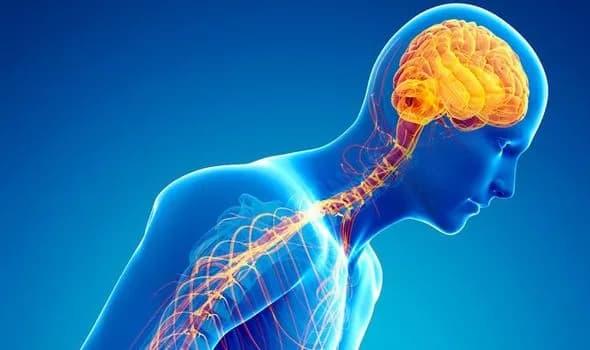
10 Neurological Symptoms You Should Never Ignore
A practical guide from Apex Hospitals Jaipur's neurology team — helping you recognise the warning signs of a neurological disorder before they become emergencies.
By the Apex Hospitals Neurology Team · Published July 2025 · Apex Hospitals, Malviya Nagar, Jaipur
Why Neurological Warning Signs Demand Immediate Attention
The brain and nervous system govern everything — movement, speech, memory, sensation, and consciousness. When something goes wrong, the body sends signals. The challenge is that many of these signals are easy to dismiss as stress, fatigue, or a bad night's sleep. Yet some of them are time-critical emergencies where every minute of delay can mean permanent disability or death.
According to the World Health Organization, neurological disorders affect up to one billion people worldwide and are among the leading causes of disability globally. In India, stroke alone accounts for a significant proportion of adult disability — and most strokes are treatable if patients reach a hospital within the critical first few hours.
At Apex Hospitals, Malviya Nagar, Jaipur — a NABH-accredited multi-specialty hospital established in 1994 — our neurology specialists in Jaipur have collectively managed thousands of neurological cases ranging from routine headaches to complex stroke emergencies. This guide draws on that clinical experience to help you understand which symptoms warrant an urgent call to your doctor — and which ones require an immediate trip to the emergency room.
What Are the Early Warning Signs of a Neurological Disorder?
Neurological disorders can present in dozens of ways, but certain patterns of symptoms are consistently associated with serious underlying conditions. The key is knowing the difference between a symptom that can wait for a scheduled appointment and one that requires emergency care right now.
Below, our neurology team at Apex Hospitals outlines the ten warning signs that should never be brushed aside.
1. Sudden, Severe "Thunderclap" Headache
A headache that reaches peak intensity within seconds — often described as "the worst headache of my life" — is a neurological emergency until proven otherwise. This pattern is the hallmark presentation of a subarachnoid haemorrhage (bleeding around the brain), which carries a mortality rate of up to 40% if untreated.
Not every severe headache is a bleed, but the sudden-onset thunderclap pattern demands immediate CT imaging and neurological evaluation. Do not take a painkiller and wait — go to the emergency department immediately.
How do I know if my headache is a neurological problem? Red flags include: sudden onset, associated neck stiffness, fever, vision changes, confusion, or a headache that wakes you from sleep. Any of these alongside head pain warrants urgent assessment by our neurosurgery and neurology team in Jaipur.
2. Sudden Weakness or Numbness on One Side of the Body
Unilateral (one-sided) weakness or numbness — affecting the face, arm, or leg — is one of the most recognisable signs of a stroke or transient ischaemic attack (TIA). A TIA, sometimes called a "mini-stroke," produces identical symptoms that resolve within 24 hours, but it is a serious warning that a full stroke may follow within days.
Use the FAST acronym: Face drooping, Arm weakness, Speech difficulty, Time to call emergency services. In Jaipur, Apex Hospitals operates a 24×7 emergency department with on-site CT scan, MRI, and emergency labs — enabling rapid stroke diagnosis and intervention.
3. Sudden Confusion or Altered Mental Status
If a person suddenly becomes confused, disoriented, or unable to recognise familiar people or places — especially when this is out of character — it may indicate a stroke, encephalitis (brain inflammation), metabolic crisis, or a seizure in its aftermath (post-ictal state).
Acute confusion in an elderly patient is particularly easy to attribute to dehydration or medication, but it should always be evaluated neurologically. Apex Hospitals' ICU and critical care unit in Jaipur — including a dedicated Neuro ICU — is equipped to manage patients with acute neurological deterioration around the clock.
4. Seizures — Especially a First-Time Episode
A seizure is an abnormal burst of electrical activity in the brain. While epilepsy is a well-known cause, a first-time seizure in an adult can also signal a brain tumour, stroke, meningitis, or a metabolic abnormality. It must never be dismissed as a one-off event without investigation.
If someone is having a seizure: protect them from injury, do not restrain them, do not put anything in their mouth, and time the episode. If it lasts more than five minutes (status epilepticus), call emergency services immediately — this is a life-threatening condition.
5. Sudden Vision Loss or Double Vision
Sudden loss of vision in one or both eyes, or new-onset double vision (diplopia), can be caused by a stroke affecting the visual cortex, a detached retina, optic neuritis (often an early sign of multiple sclerosis), or a posterior communicating artery aneurysm pressing on the third cranial nerve.
Amaurosis fugax — a brief, painless loss of vision in one eye described as a "curtain coming down" — is a classic TIA symptom and a strong predictor of impending stroke. Any sudden visual change requires same-day neurological or ophthalmological evaluation. Our ophthalmology specialists at Apex Hospitals work closely with the neurology team to triage such presentations rapidly.
Key neurological warning signs and the conditions they may indicate
6. Difficulty Speaking or Understanding Speech
Aphasia — the sudden inability to find words, speak coherently, or understand what others are saying — is a hallmark of stroke affecting the dominant hemisphere of the brain (usually the left side). It can also present as slurred speech (dysarthria), which may indicate a stroke, multiple sclerosis, or a brain tumour.
Even if the speech difficulty resolves on its own within minutes, it must be treated as a TIA and evaluated urgently. The window for clot-busting thrombolysis therapy in ischaemic stroke is narrow — typically within 4.5 hours of symptom onset — making rapid presentation to a stroke-capable hospital critical.
7. Progressive Memory Loss or Personality Changes
While some degree of forgetfulness is normal with ageing, progressive memory loss that interferes with daily life — forgetting recent events, getting lost in familiar places, or struggling with previously routine tasks — may indicate early dementia, Alzheimer's disease, or other neurodegenerative conditions.
Personality changes, such as sudden aggression, disinhibition, or profound apathy in someone who was previously socially engaged, can be an early sign of frontotemporal dementia or a brain lesion. Early diagnosis matters: some causes of cognitive decline are reversible (e.g., thyroid dysfunction, vitamin B12 deficiency, normal pressure hydrocephalus), and even for irreversible conditions, early intervention slows progression. Our neurology department at Apex Hospitals Jaipur offers comprehensive cognitive assessments.
8. Persistent Dizziness, Loss of Balance, or Coordination Problems
Occasional dizziness is common and often benign. But persistent vertigo, unsteadiness while walking, or a sudden inability to coordinate movements (ataxia) can signal a cerebellar stroke, multiple sclerosis, or a posterior fossa tumour. A stroke affecting the cerebellum or brainstem can be particularly dangerous because it may not cause the classic one-sided weakness that most people associate with stroke.
If dizziness is accompanied by double vision, difficulty swallowing, or sudden severe headache, seek emergency care immediately. Isolated vertigo with hearing loss may point to an inner ear cause, but neurological evaluation is still warranted to rule out a central cause.
9. Unexplained Tremors or Involuntary Movements
A tremor — rhythmic, involuntary shaking — can be benign (essential tremor) or a sign of Parkinson's disease, Wilson's disease, or medication toxicity. The classic "resting tremor" of Parkinson's disease (a pill-rolling motion of the thumb and fingers at rest) is often accompanied by slowness of movement (bradykinesia), rigidity, and postural instability.
Other involuntary movements — such as sudden jerking (myoclonus), writhing movements (chorea), or sustained muscle contractions (dystonia) — all warrant neurological evaluation. Early diagnosis of movement disorders allows for timely initiation of therapy that can significantly improve quality of life.
10. Sudden Loss of Consciousness or Unexplained Fainting
A sudden, brief loss of consciousness (syncope) is most commonly cardiac in origin, but neurological causes — including seizures, vertebrobasilar TIA, or autonomic dysfunction — must be excluded. Recurrent unexplained fainting episodes, or fainting associated with confusion, tongue biting, or prolonged recovery, strongly suggest a seizure disorder.
Any loss of consciousness that is not immediately explained by an obvious cause (e.g., standing up too quickly in a hot room) should be evaluated with an ECG, blood tests, and neurological assessment. At Apex Hospitals, our 24×7 emergency and trauma services in Jaipur are equipped to triage and investigate such presentations without delay.
Can Stress Cause Neurological Symptoms?
Yes — and this is an important nuance. Chronic psychological stress can produce genuine neurological symptoms including tension headaches, tingling sensations, dizziness, and even functional neurological disorder (FND), a condition where neurological symptoms occur without a structural brain lesion. These symptoms are real and can be debilitating, but they require a different treatment approach than structural neurological disease.
The critical point is that stress-related symptoms should only be attributed to stress after a proper neurological evaluation has excluded serious underlying pathology. Never self-diagnose a neurological symptom as "just stress" without medical assessment. Our psychiatry and mental health team at Apex Hospitals works alongside neurologists to manage the overlap between psychological and neurological conditions.
When Should I Go to the Hospital for Neurological Symptoms?
Go to the emergency department immediately if you or someone nearby experiences:
Sudden severe headache unlike any before
One-sided face, arm, or leg weakness or numbness
Sudden speech difficulty or confusion
Seizure — especially a first episode or one lasting more than 5 minutes
Sudden loss of vision or double vision
Loss of consciousness
Sudden severe dizziness with vomiting and inability to walk
Schedule an urgent (within 24–48 hours) appointment with a neurologist if you have:
New or worsening headaches over several weeks
Progressive memory or personality changes
New tremors or involuntary movements
Persistent dizziness or balance problems
Unexplained tingling or numbness that comes and goes
According to the National Institute of Neurological Disorders and Stroke (NINDS), recognising stroke symptoms and acting within the first hour dramatically improves outcomes — reinforcing why knowing these warning signs is genuinely life-saving knowledge.
What Does a Neurological Episode Feel Like?
Patients often describe neurological episodes in vivid but varied terms. A TIA might feel like "the room suddenly tilted" or "my hand stopped working for a minute." A seizure aura might be described as a strange smell, a rising sensation in the stomach, or an overwhelming sense of déjà vu. A migraine with aura can produce visual disturbances — zigzag lines or blind spots — before the headache begins.
The common thread is that neurological episodes feel different — sudden, unexpected, and unlike anything the person has experienced before. Trust that instinct. If something feels neurologically wrong, it is worth having it assessed by a specialist.
Neurological Care at Apex Hospitals Jaipur
Apex Hospitals, Malviya Nagar, Jaipur has been providing advanced neurological care since 1994. Our infrastructure includes a dedicated Neuro ICU, on-site MRI and CT scanning available around the clock, and a 24×7 emergency department staffed to handle acute neurological presentations. Our neurology specialists in Jaipur and neurosurgeons at Apex Hospitals collaborate closely to ensure that patients with complex neurological conditions receive integrated, timely care.
NABH-accredited hospital with 30+ years of clinical experience in Rajasthan
Dedicated Neuro ICU with advanced monitoring and critical care support
On-site CT, MRI, and emergency laboratory services — 24×7
Neuro-navigation systems and advanced operating microscopes for complex neurosurgery
Empanelled under Ayushman Bharat and major insurance/TPA schemes
Part of the HOPE Tele-ICU network — featured in Harvard Business Review — connecting specialist expertise across Rajasthan
Frequently Asked Questions
What are the early warning signs of a neurological disorder?
Early warning signs include persistent or unusual headaches, unexplained tingling or numbness, subtle memory lapses, new tremors, changes in vision, difficulty with balance, and episodes of confusion. These symptoms individually may have benign causes, but when they are new, progressive, or occur together, they warrant neurological evaluation.
When should I go to the hospital for neurological symptoms?
Go to the emergency department immediately for sudden severe headache, one-sided weakness or numbness, speech difficulty, first-time seizure, sudden vision loss, or loss of consciousness. For progressive but non-acute symptoms, seek an urgent outpatient appointment within 24–48 hours.
Can stress cause neurological symptoms?
Yes. Stress can cause real neurological symptoms including tension headaches, tingling, dizziness, and functional neurological disorder. However, stress should only be considered the cause after a proper neurological examination has ruled out structural disease. Always seek medical evaluation before attributing neurological symptoms to stress alone.
What does a neurological episode feel like?
It varies by condition. A TIA may feel like sudden weakness or speech difficulty that resolves within minutes. A seizure aura may involve unusual smells, visual disturbances, or a rising sensation in the stomach. A migraine aura produces visual zigzag patterns before the headache. The common feature is that the episode feels sudden, unexpected, and unlike normal experience.
How do I know if my headache is a neurological problem?
Headache red flags that suggest a neurological cause include: sudden thunderclap onset, the worst headache of your life, headache with fever and neck stiffness, headache with vision changes or confusion, headache that wakes you from sleep, and new headaches in someone over 50 or with a history of cancer or HIV. Any of these patterns requires urgent medical evaluation.
References
Concerned About a Neurological Symptom?
Our neurology team at Apex Hospitals Jaipur is available for consultations — don't wait if something feels wrong.